Teodosius of Goñi
The Navarrese knight who, deceived by the devil, committed parricide and wandered in chains until Saint Michael freed him at Aralar.
— Bizkaia —
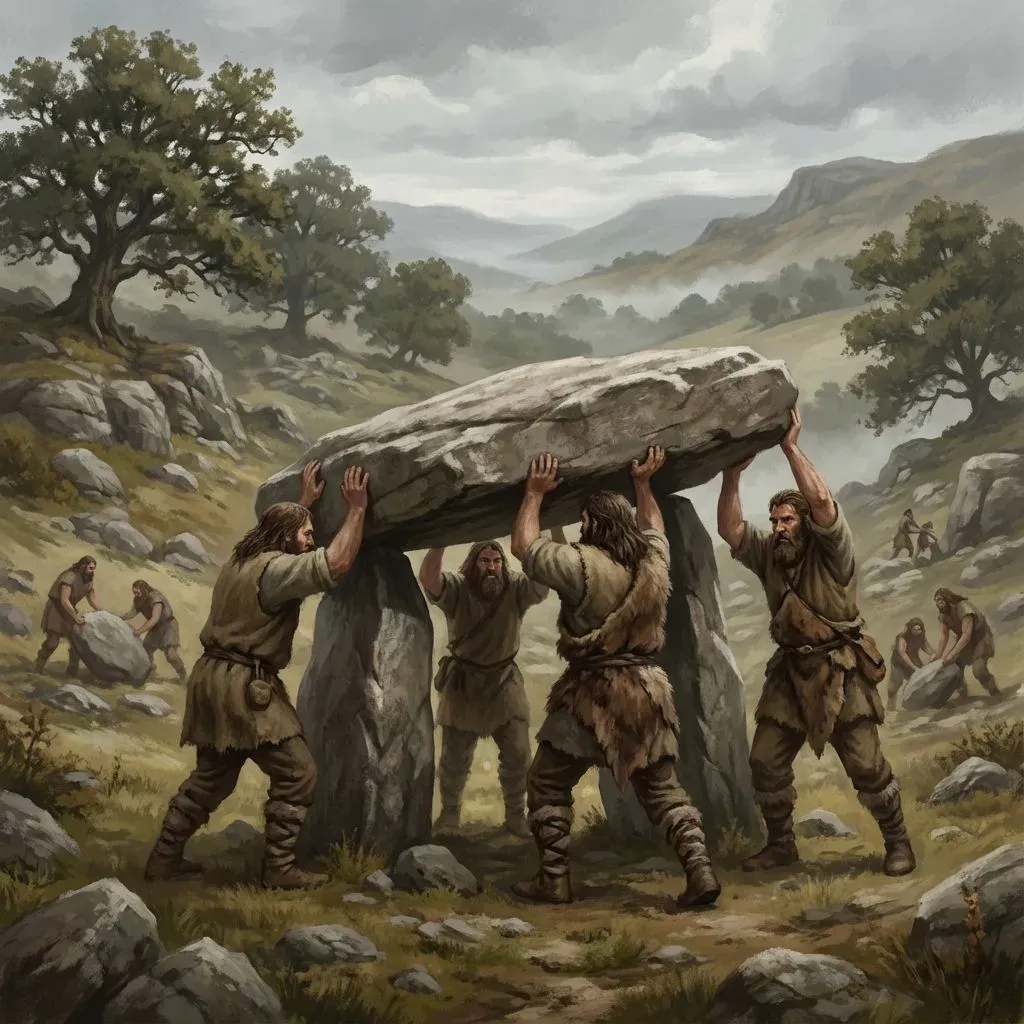
The Urkiola Natural Park, beyond its spectacular mountain scenery, preserves an important megalithic heritage. Dolmens and burial mounds are scattered across its passes and uplands, reminding visitors that these landscapes were sacred long before the modern age of hiking and pilgrimage.
The surroundings of Urkiola, dominated by the imposing mass of Anboto, have been sacred ground since remote times. The presence of Neolithic funerary monuments in this landscape strengthens the sense that mountain, worship and myth have long overlapped in one of the most symbolically charged areas of Bizkaia.
The megaliths of Urkiola can still be visited along the footpaths that cross the park. Some, such as the dolmens near the pass of Larrano, are easy to reach and help reveal the hidden prehistoric layer beneath a mountain world now better known for Mari and the sanctuary of Urkiola.
Archaeology, nature and mythology make Urkiola especially evocative. Walking among our distant ancestors’ monuments, we inevitably think of Mari, the mother goddess said to inhabit Anboto’s caves, connecting different layers of Basque collective memory.
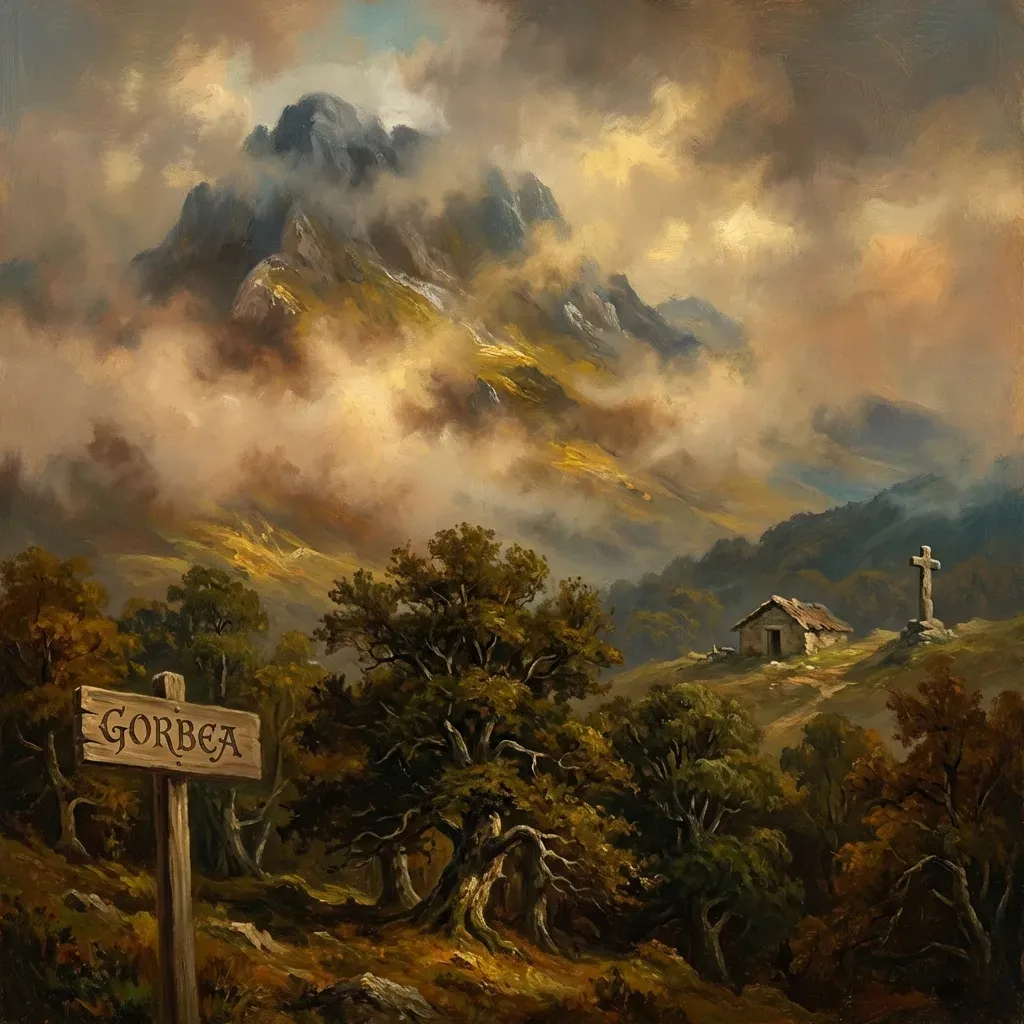
The Navarrese knight who, deceived by the devil, committed parricide and wandered in chains until Saint Michael freed him at Aralar.
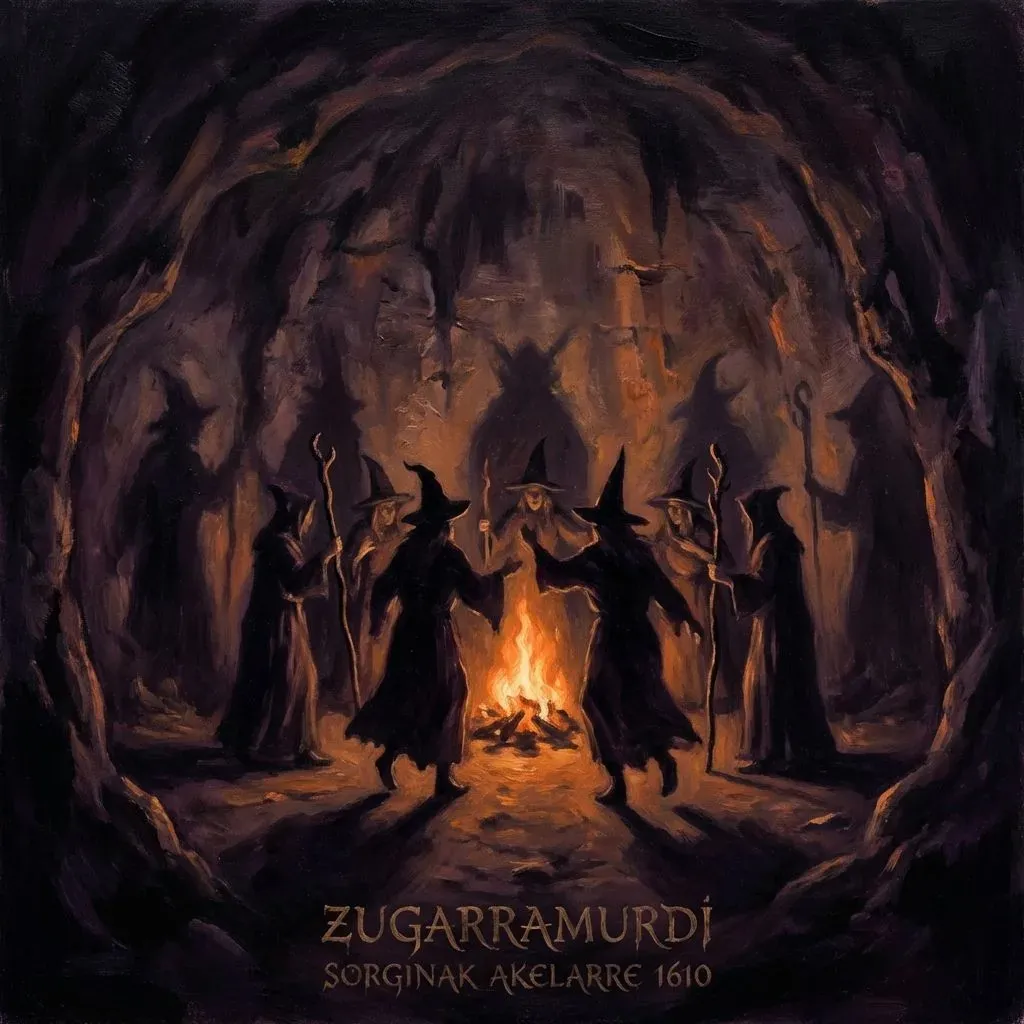
The famous inquisitorial trial of 1610 against the Navarrese witches who held akelarres in the sacred cave.
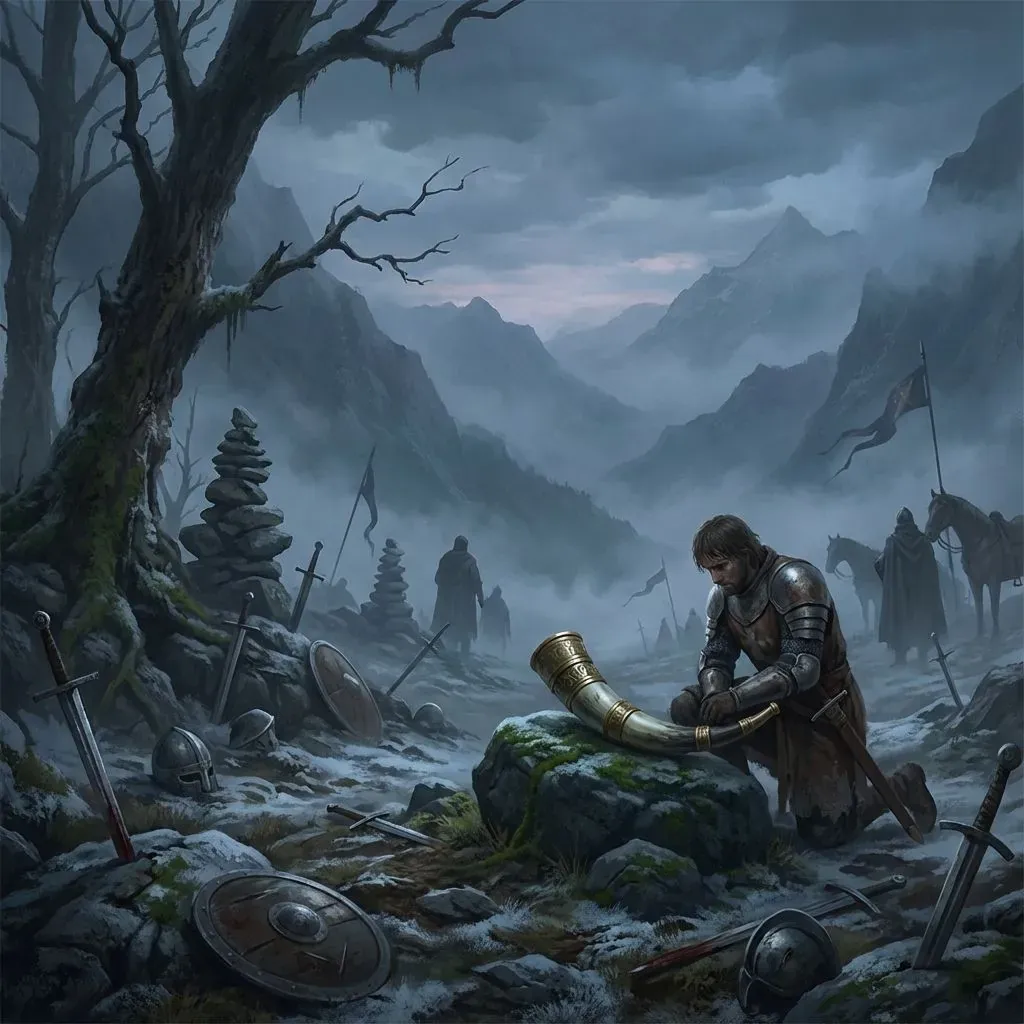
The Basque ambush against Charlemagne's army in the Pyrenean pass where the legendary Roland fell.
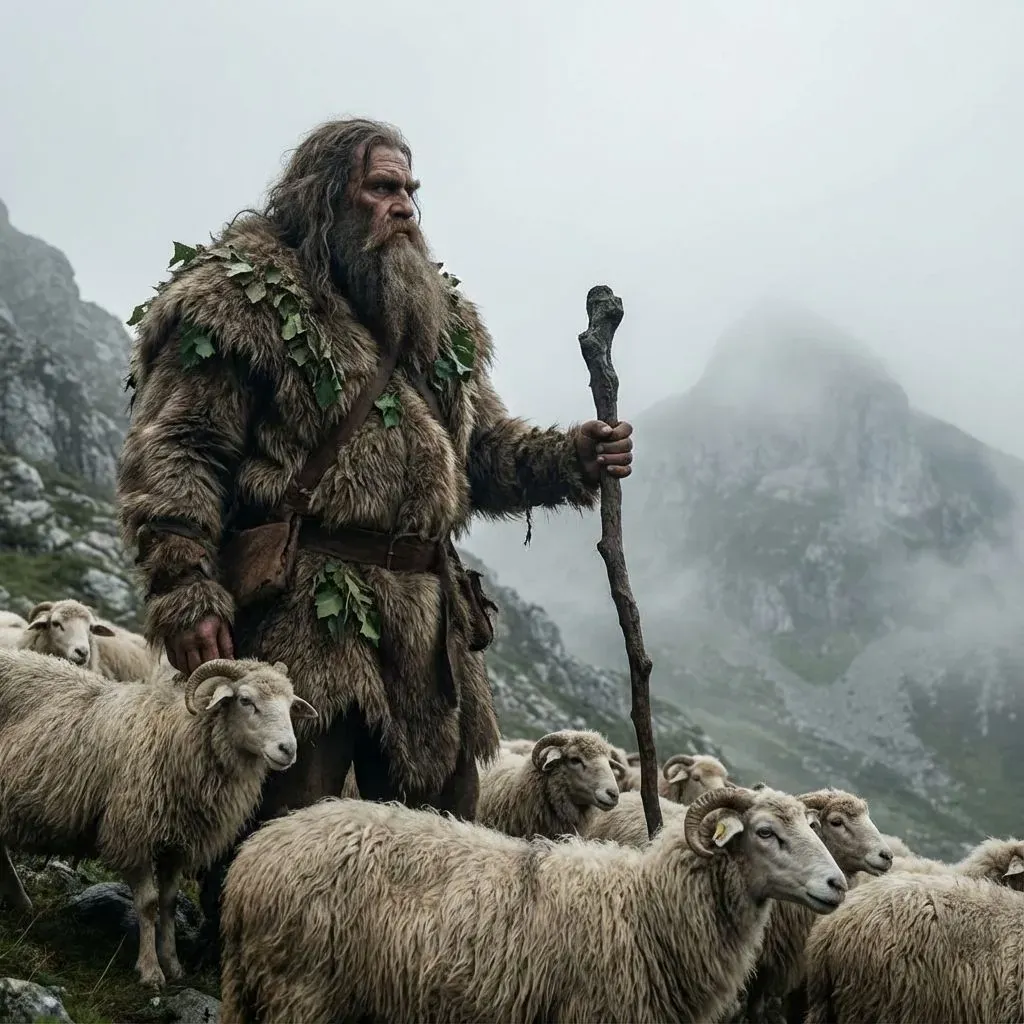
The shaggy giant who lives in the forests, protector of flocks and guardian of the secrets of agriculture and the forge.

Seductive nymphs who dwell in rivers and springs, recognisable by bird feet or fish tails, combing their hair with golden combs.
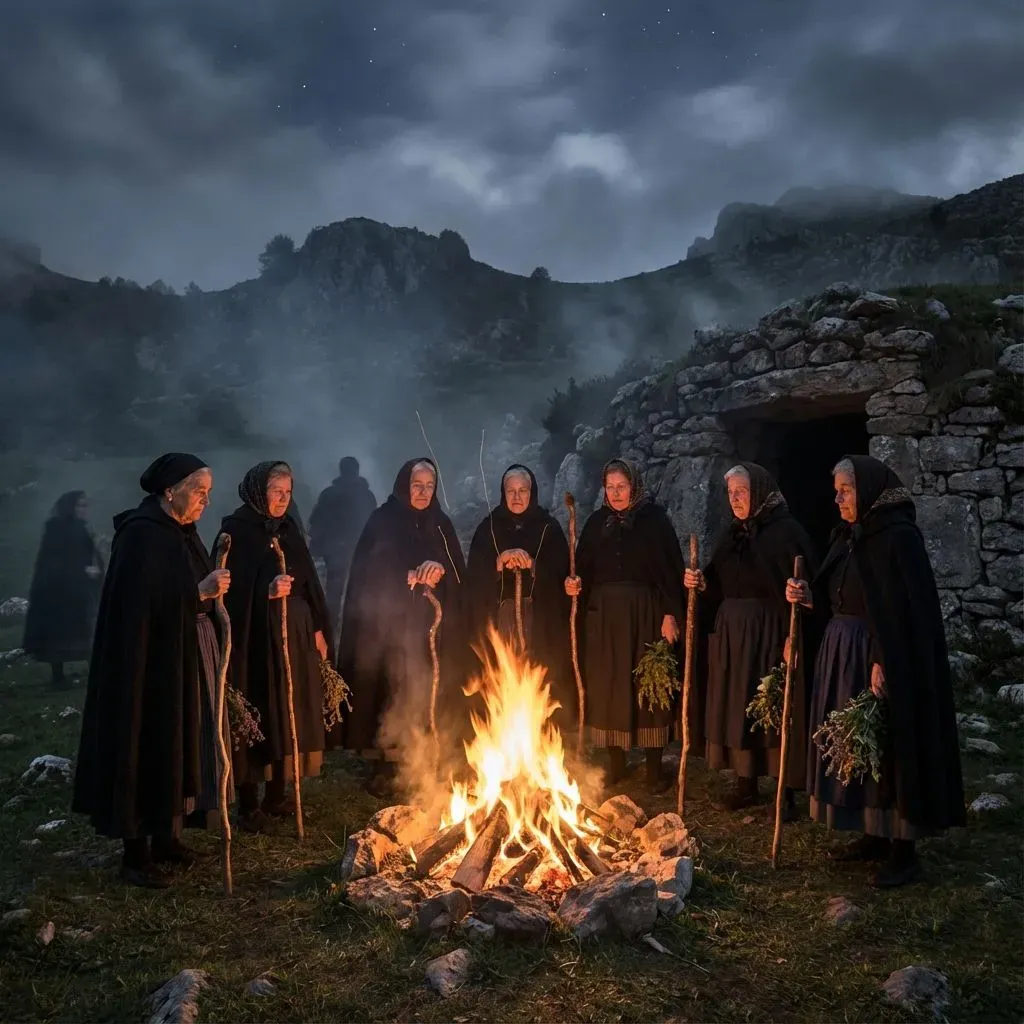
The Basque witches and wise women, priestesses of Mari who mastered potions, curses and the art of flying through the night sky.
Urkiola Natural Park, dominated by Anboto’s limestone bulk and the ridges of Untzillatx and Aramotz, holds megaliths within its upland pastures and beech woods. In this mythologically charged landscape, standing beside a dolmen with Anboto behind it is a moment when geography and myth affirm each other more eloquently than any written explanation.
Urkiola’s dolmens cluster in upland grazing areas between the massif’s ridges and valleys descending towards Duranguesado to the north and Urduña to the south. Their builders chose places combining visibility with continued pastoral use, making them simultaneously cemeteries, sanctuaries and territorial markers.
Urkiola sanctuary, dedicated to Saint Anthony of Padua and standing on the pass of the same name, is the natural park’s main pilgrimage destination. The continued sacred use of a mountain passage from the Neolithic to the present, under very different religious dedications, is among the most revealing aspects of Basque archaeological heritage.
A day in Urkiola combining the sanctuary, an ascent of Anboto and nearby dolmens is among the fullest experiences of Basque natural and cultural heritage for those who give it the attention it deserves.