Teodosius of Goñi
The Navarrese knight who, deceived by the devil, committed parricide and wandered in chains until Saint Michael freed him at Aralar.
— Nafarroa —
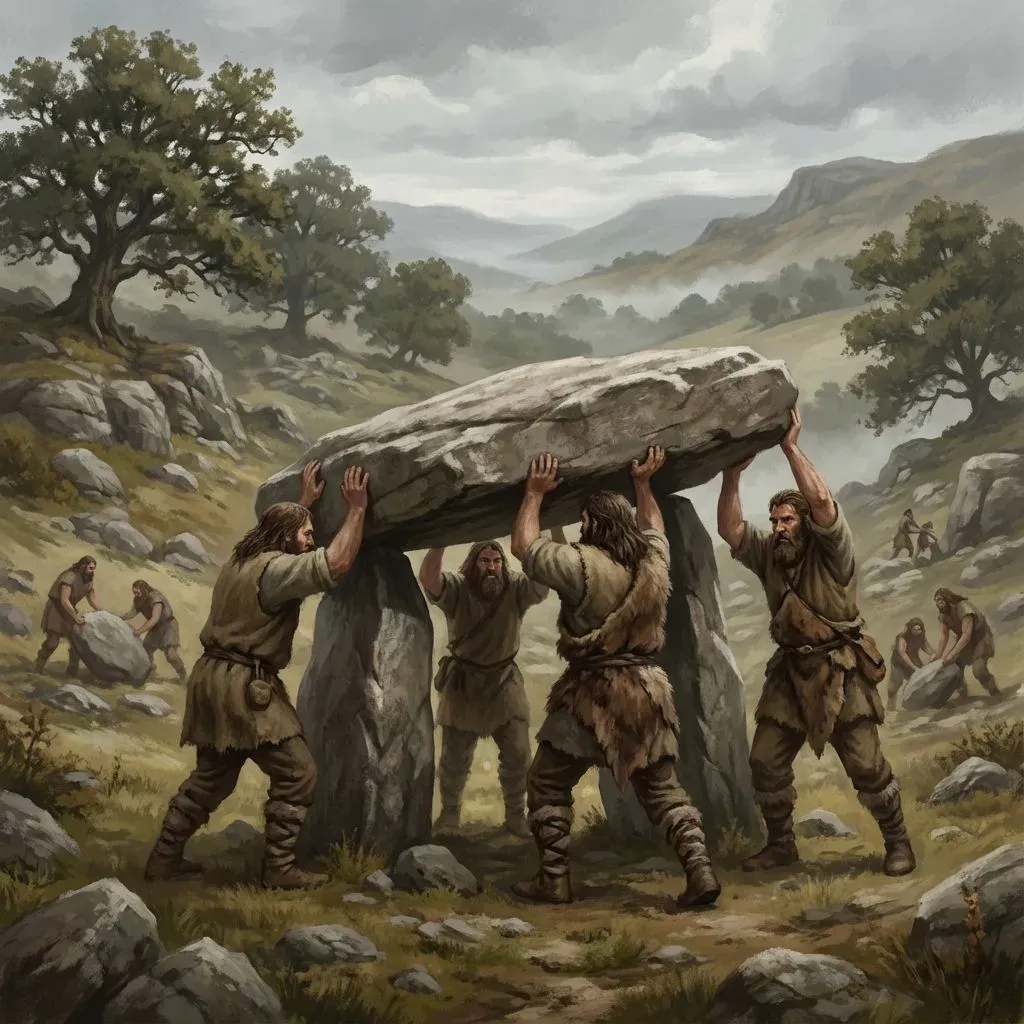
The menhirs of Artikutza are a group of upright stones located in the natural reserve of Artikutza, in the upper basin of the Urumea river. These monuments reveal that even this remote and densely forested landscape was once woven into prehistoric routes and ritual geographies.
Menhirs, vertical stones planted in the ground, are among the most enigmatic megalithic monuments. Unlike dolmens, whose funerary use is clearer, menhirs may have served as territorial markers, ceremonial landmarks or symbolic reference points within a sacred landscape.
The surroundings of Artikutza reinforce the mysterious aura of these monuments. The reserve, once a hunting estate and now a protected natural space, shelters beech woods, deer and hidden streams, making the stones feel like silent witnesses from another age still embedded in the forest.
Reaching Artikutza’s standing stones means entering the forest along paths that seem to lead into another time. Silence, broken only by birdsong and flowing water, invites you to imagine the territory when our ancestors raised these enduring stones.
The Navarrese knight who, deceived by the devil, committed parricide and wandered in chains until Saint Michael freed him at Aralar.
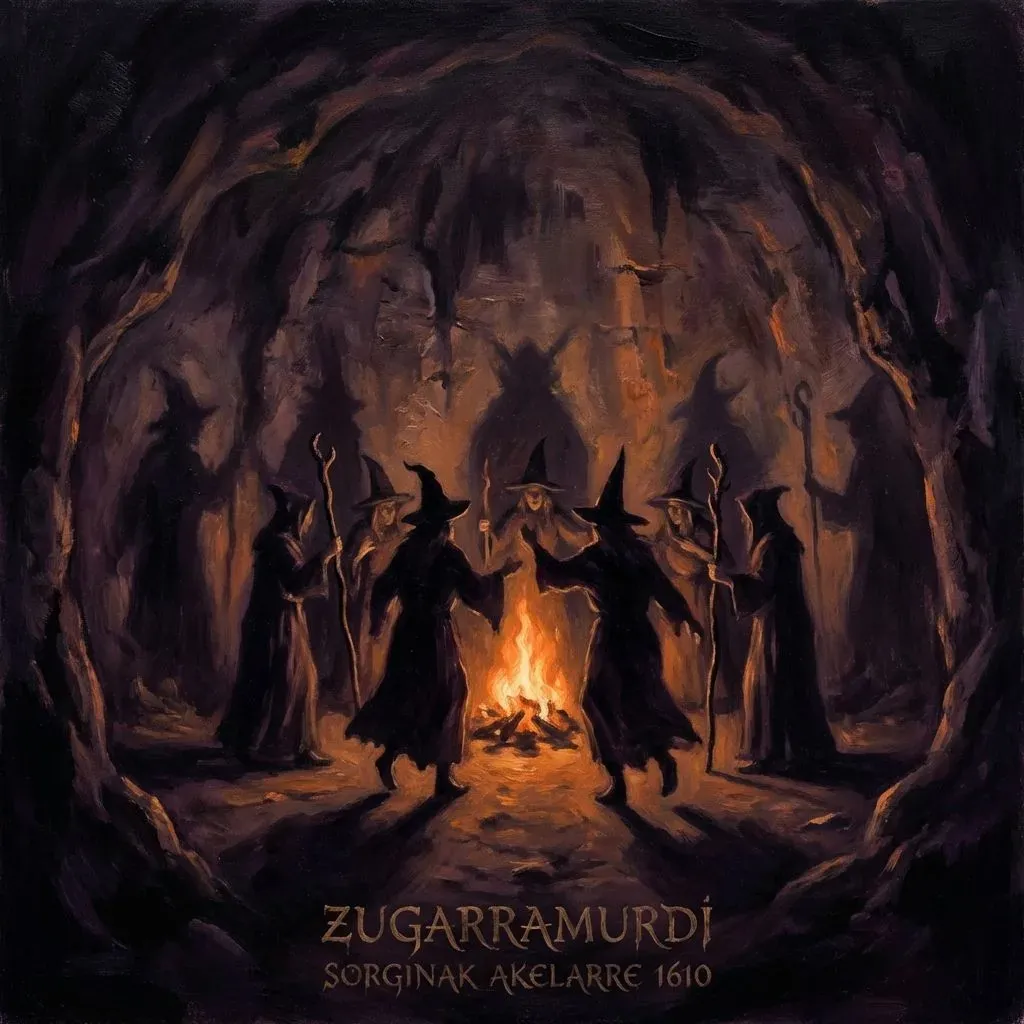
The famous inquisitorial trial of 1610 against the Navarrese witches who held akelarres in the sacred cave.
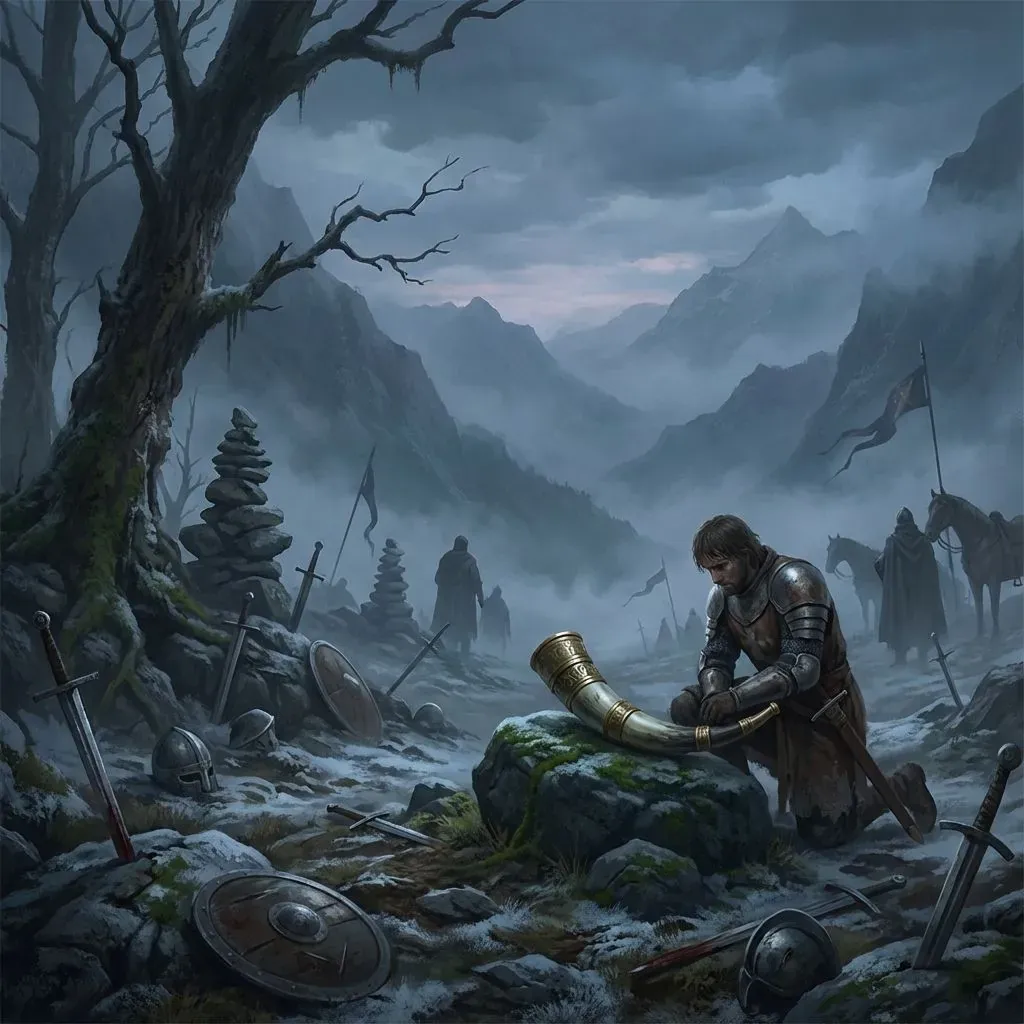
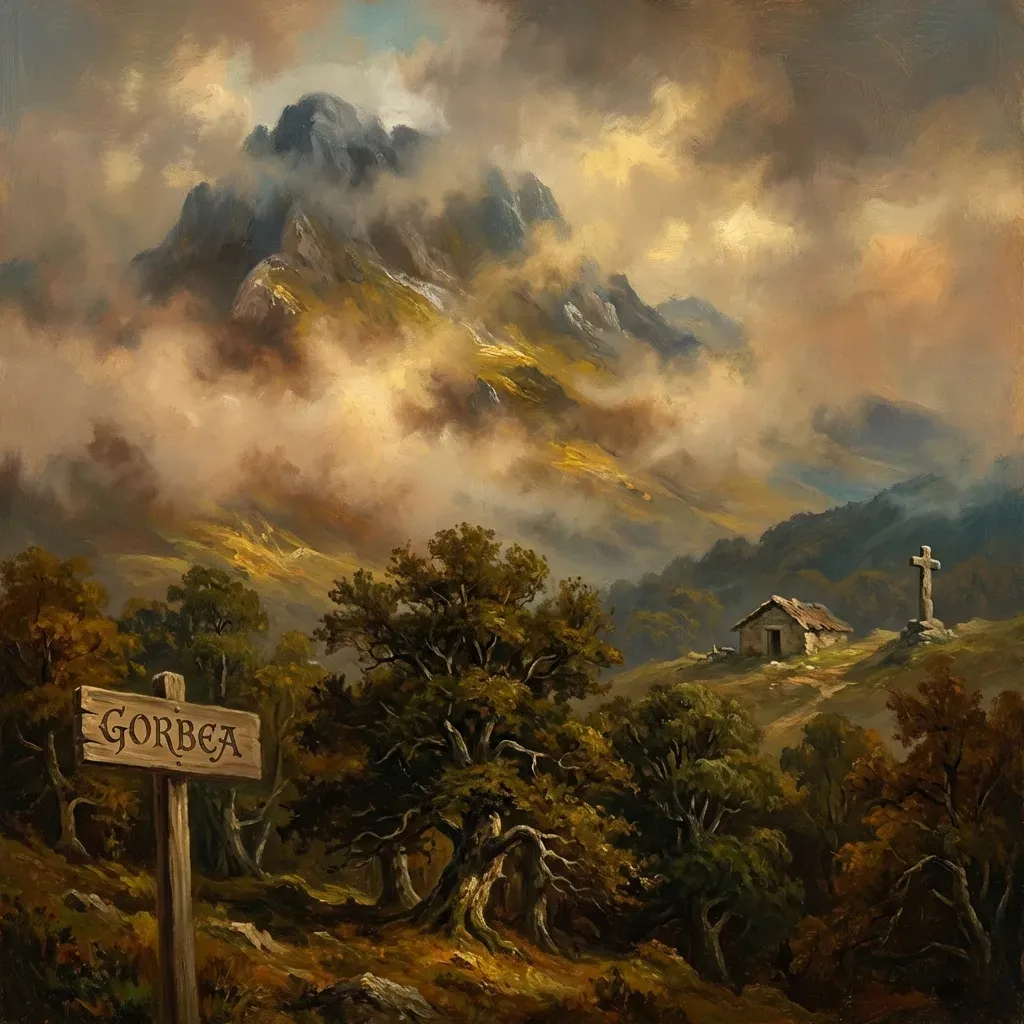
The Basque ambush against Charlemagne's army in the Pyrenean pass where the legendary Roland fell.
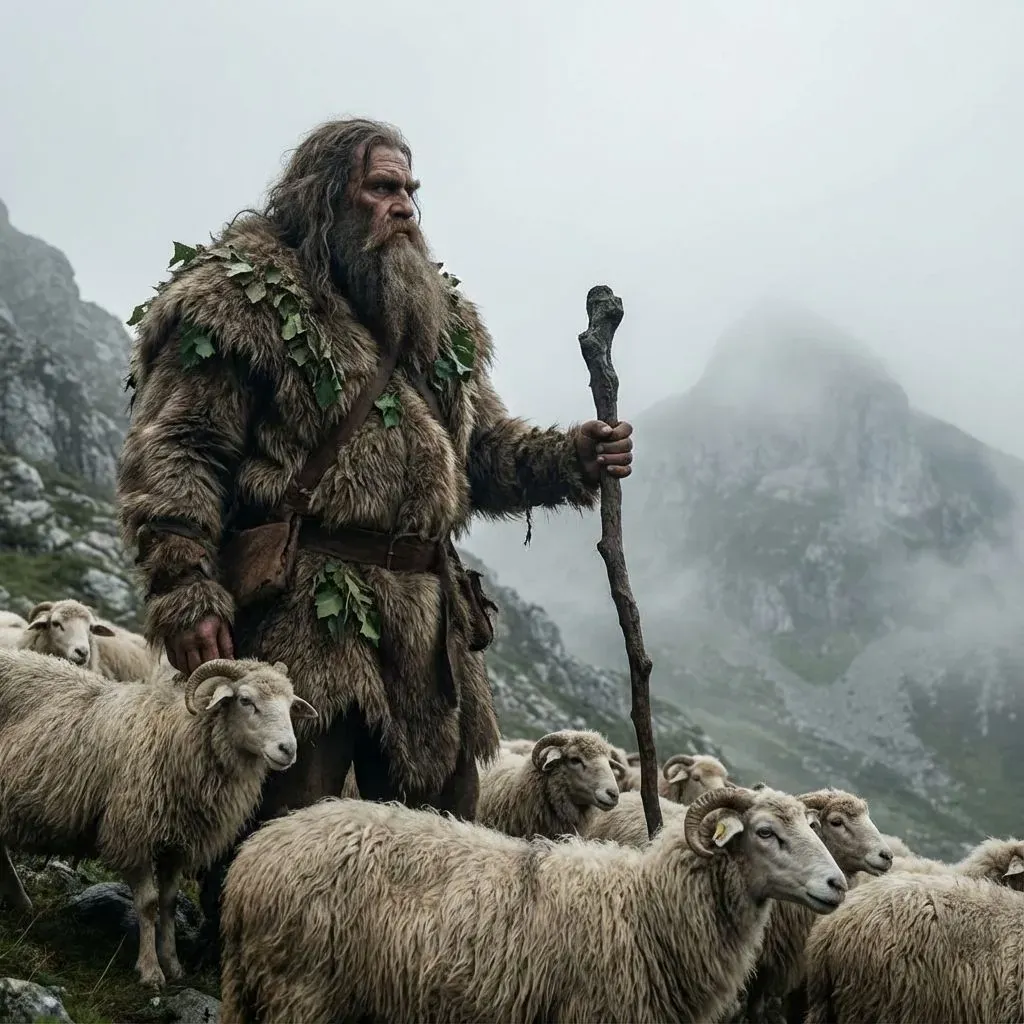
The shaggy giant who lives in the forests, protector of flocks and guardian of the secrets of agriculture and the forge.

Seductive nymphs who dwell in rivers and springs, recognisable by bird feet or fish tails, combing their hair with golden combs.
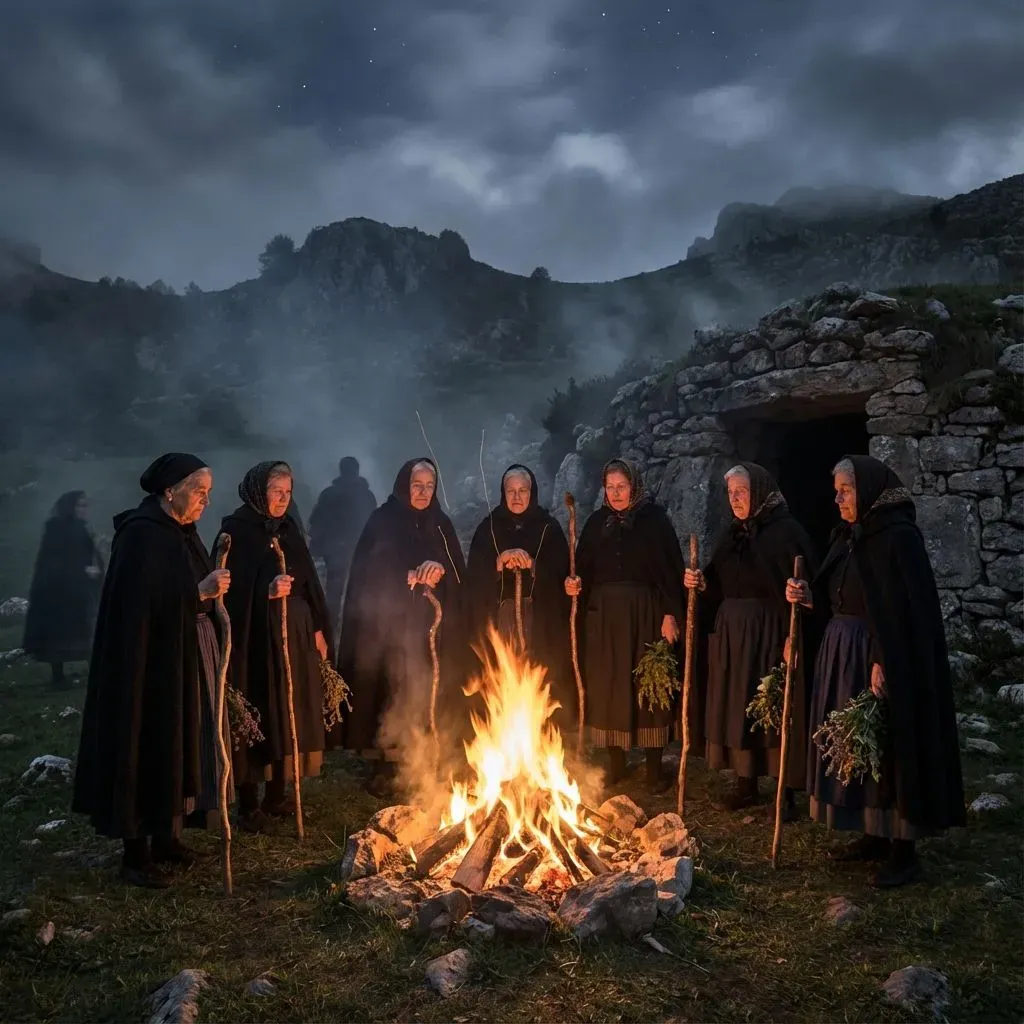
The Basque witches and wise women, priestesses of Mari who mastered potions, curses and the art of flying through the night sky.
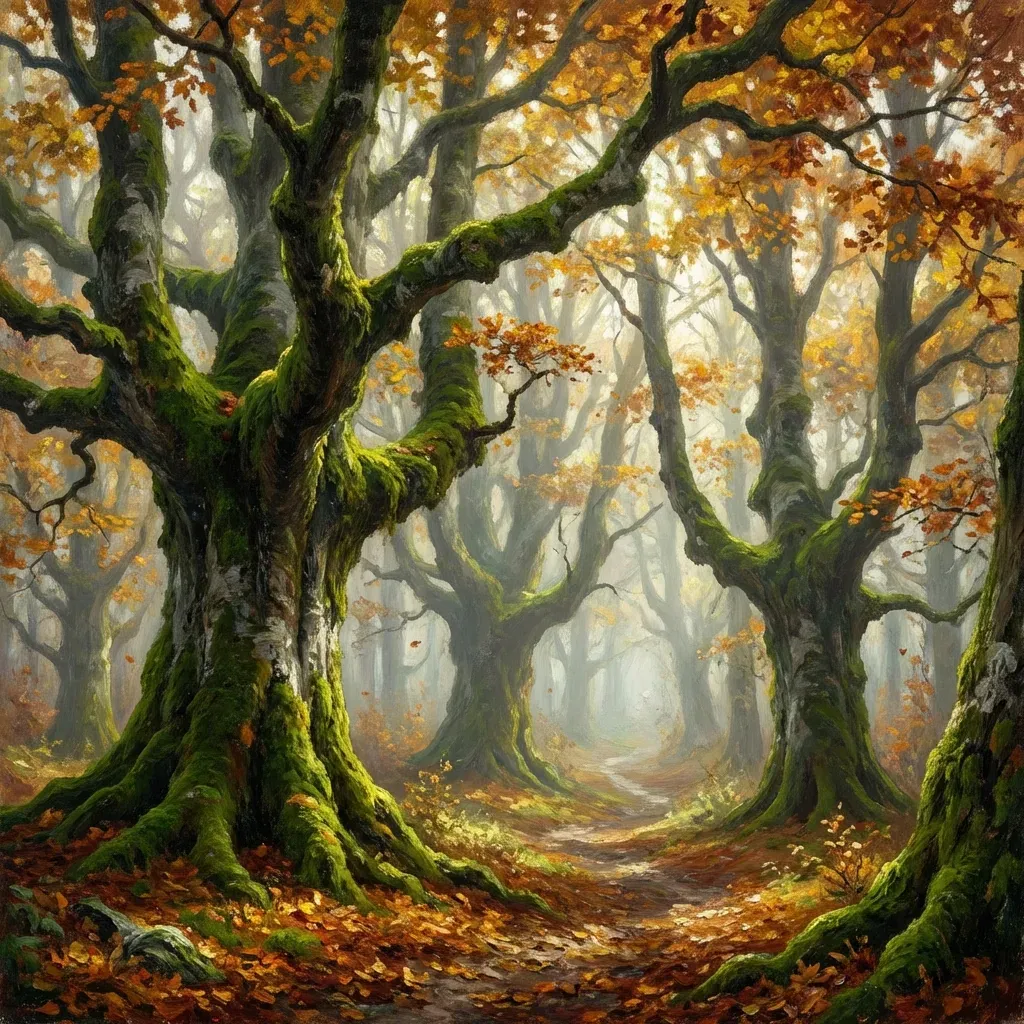
Artikutza, in northeastern Navarre beside Gipuzkoa, holds some of the Basque Country’s best-preserved natural forest. Management as a water reserve for Donostia since the early twentieth century restricted access for decades, allowing its beech and oak woods a freedom of growth now rare in northern Iberia.
Standing stones and stone circles in clearings and passes among Artikutza’s forests record prehistoric human presence. Dense woodland, persistent humidity and these stone monuments create a particularly evocative atmosphere in mist, when trees vanish just metres away and upright stones emerge from whiteness with an almost hallucinatory presence.
Artikutza offers a rare glimpse of how Atlantic woodland might look had human intervention been less intensive over recent centuries. Its trees reach unusual sizes, while diverse epiphytes, fungi and wildlife make it a reference site for studying Cantabrian forest ecology.
Access to Artikutza requires prior permission, limiting visitor numbers and protecting the site. Though this may seem inconvenient, it preserves a sense of solitude and authenticity that tourist pressure has diminished in many other natural places in the region.