Teodosius of Goñi
The Navarrese knight who, deceived by the devil, committed parricide and wandered in chains until Saint Michael freed him at Aralar.
— Nafarroa —
The monastery of Leyre is one of the most important monumental ensembles in northern Iberia and the spiritual cradle of the old kingdom of Navarre. Set against the mountains above the Yesa reservoir, it combines political memory, monastic tradition and powerful sacred atmosphere.
The origins of the monastery go back to the ninth century, when it already sheltered monks fleeing the Muslim advance. Its period of splendour coincided with the formation of the Navarrese kingdom, making Leyre not only a religious center but also a key stage in the medieval history of the western Pyrenees.
The crypt of San Virila, with its heavy columns and archaic capitals, is one of the most evocative spaces in Iberian Romanesque architecture. According to legend, Abbot Virila heard a mysterious bird song and returned to the monastery after what seemed a few moments, only to discover that centuries had passed.
The Benedictine community living in the monastery keeps Gregorian chant alive. Vespers and other liturgical celebrations allow visitors to share a spiritual experience directly connected with the monastery’s medieval tradition.
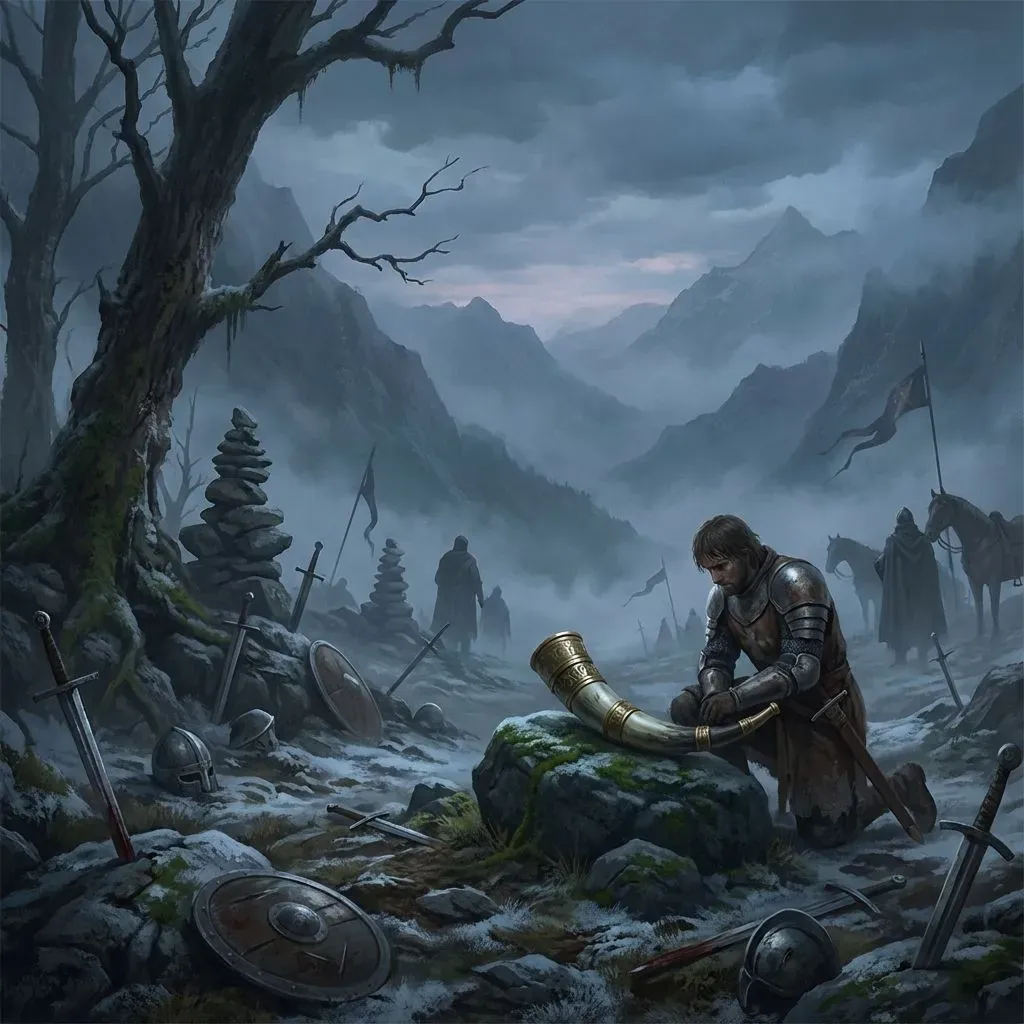
The Navarrese knight who, deceived by the devil, committed parricide and wandered in chains until Saint Michael freed him at Aralar.
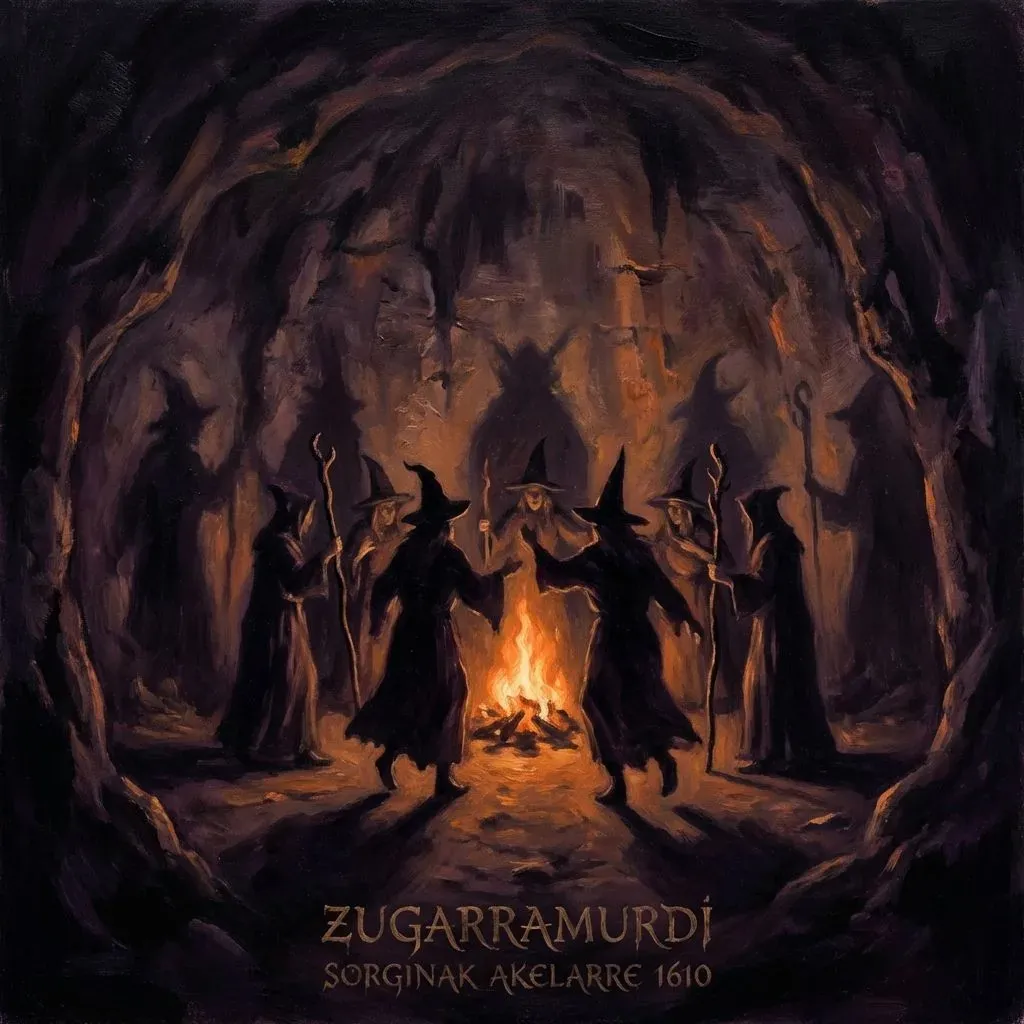
The famous inquisitorial trial of 1610 against the Navarrese witches who held akelarres in the sacred cave.
The Basque ambush against Charlemagne's army in the Pyrenean pass where the legendary Roland fell.
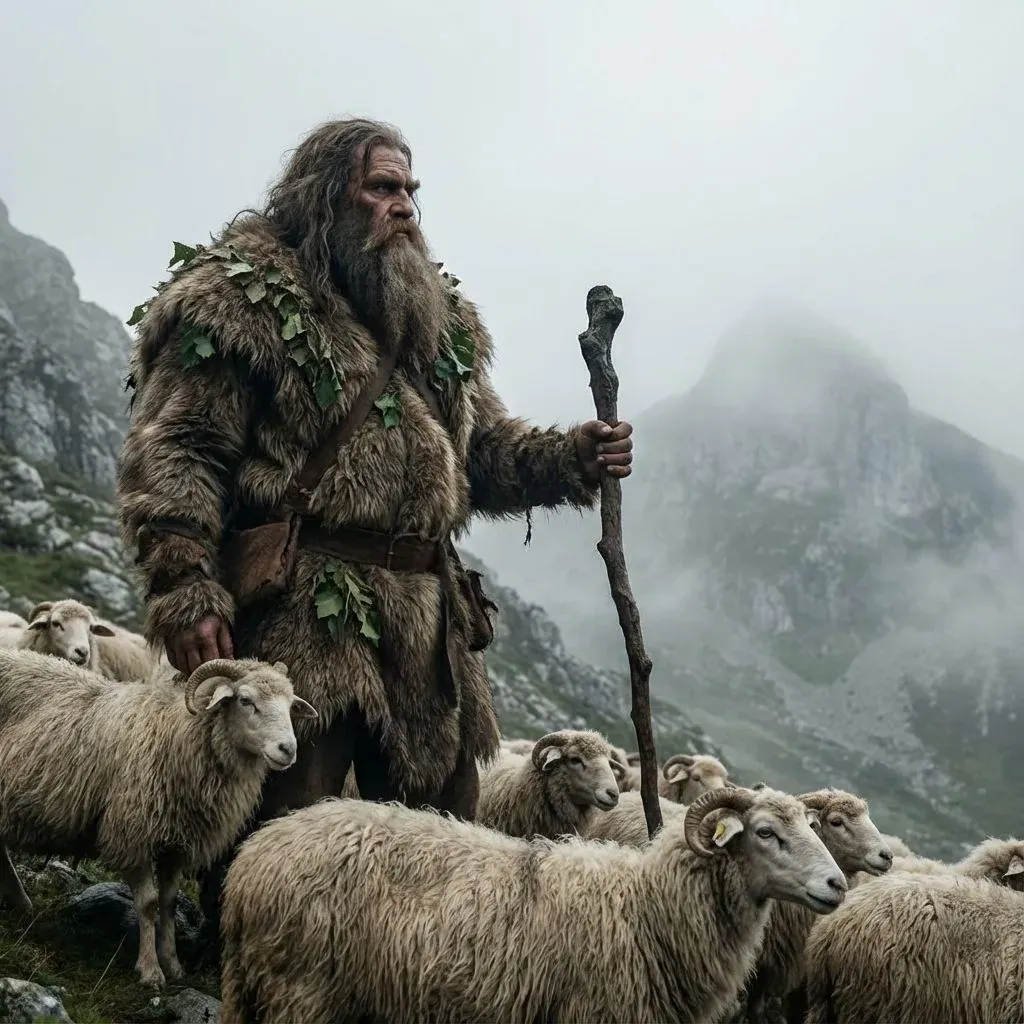
The shaggy giant who lives in the forests, protector of flocks and guardian of the secrets of agriculture and the forge.

Seductive nymphs who dwell in rivers and springs, recognisable by bird feet or fish tails, combing their hair with golden combs.
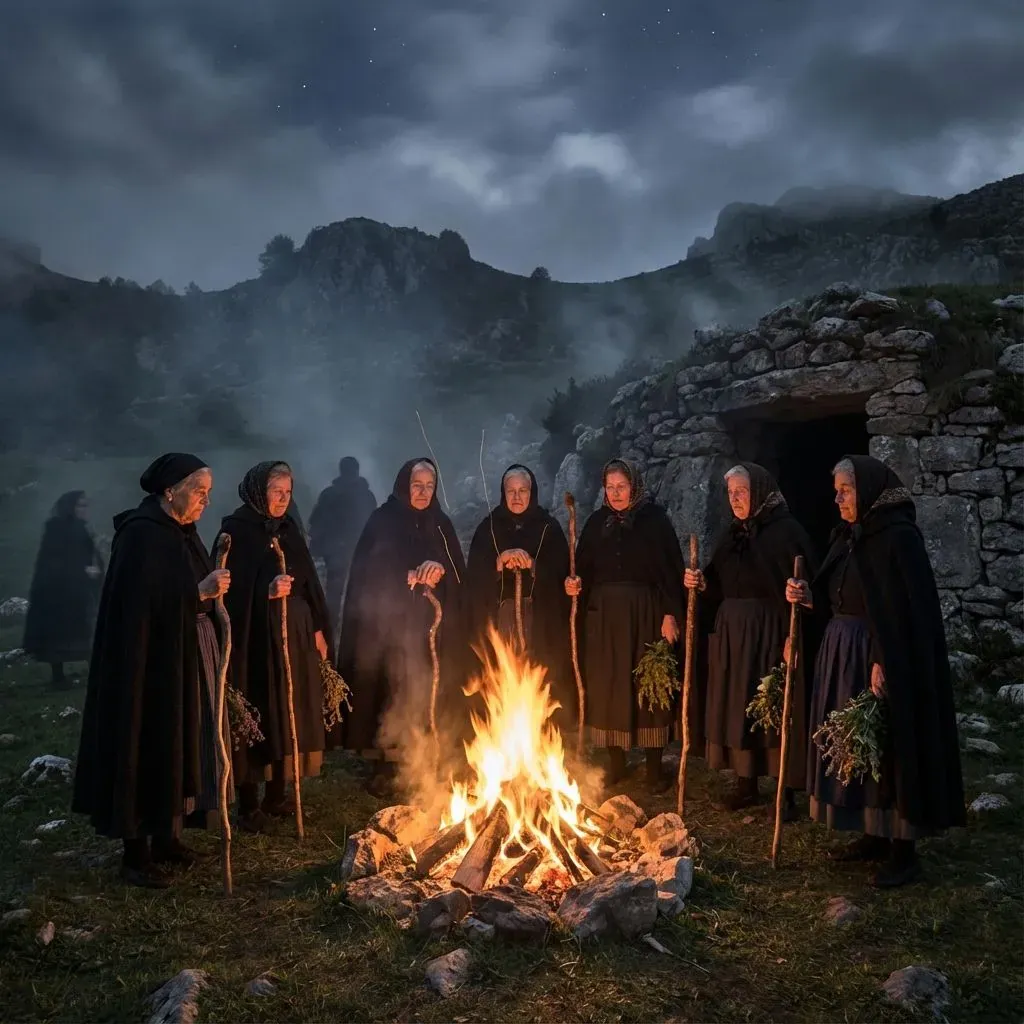
The Basque witches and wise women, priestesses of Mari who mastered potions, curses and the art of flying through the night sky.
San Salvador de Leyre monastery, on the southern slope of the Leyre range above Navarre’s Bardenas Reales, is among northern Spain’s most impressive Romanesque monuments and the Basque-Navarrese territory’s most historically rich spiritual sites. Many specialists consider its eleventh-century crypt, with elaborately carved capitals and a low barrel vault seemingly defying contemporary building logic, Navarre’s finest Romanesque architecture.
The monastery served as a centre of the kingdom of Pamplona in the ninth and tenth centuries. Several Navarrese kings are buried within, their tombs forming a striking collection of medieval funerary sculpture. Monastic presence, interrupted but never permanently abandoned, gives the stones a palpable accumulation of lived time.
The Benedictines who have lived at Leyre since its restoration in 1954 sing the divine office in Gregorian chant several times daily. Hearing them in the Romanesque crypt is among northern Spain’s most powerful church acoustical experiences. Architecture, resonance and song combine into something moving beyond religious belief alone.
Leyre’s best-known legend tells of Virila, a monk absorbed in a bird’s song for what seemed minutes, only to discover that three hundred years had passed. It is a Navarrese version of the universal theme of time suspended in contact with eternity. With Gregorian chant and its thousand-year-old crypt, Leyre offers a compelling setting for the tale.