Teodosius of Goñi
The Navarrese knight who, deceived by the devil, committed parricide and wandered in chains until Saint Michael freed him at Aralar.
— Nafarroa / Gipuzkoa —
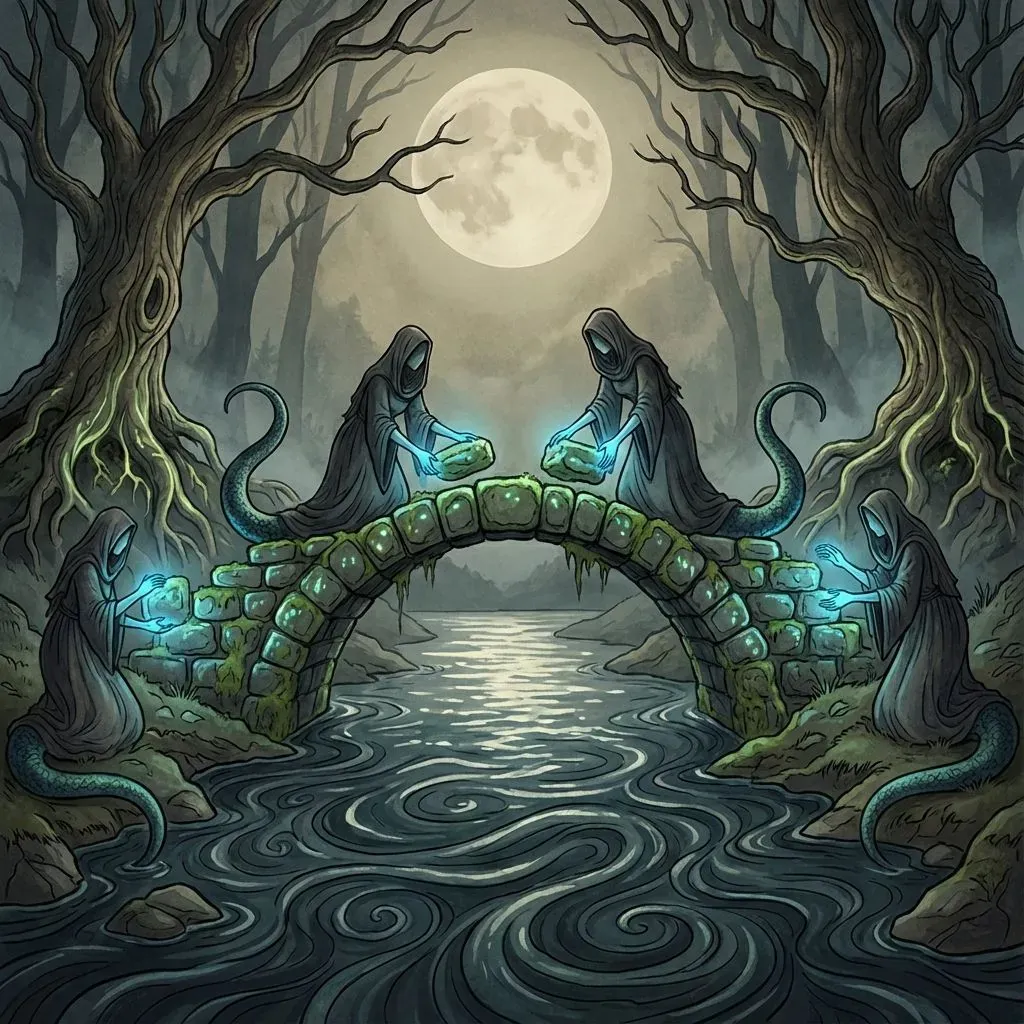
The Bidasoa is the frontier river par excellence between Spain and France, marking for centuries the natural boundary between both states in its final kilometres before reaching the Cantabrian Sea. More than a border, it has long been a space of passage, exchange and shared Basque life.
The Bidasoa valley has witnessed crucial historical episodes. On Pheasant Island, located in its waters, the Treaty of the Pyrenees was signed in 1659 and dynastic exchanges took place, turning the river into a discreet but decisive stage of European diplomacy.
The waters of the Bidasoa are famous for the quality of their salmon and trout, which have drawn anglers for generations. The towns along its course preserve a rich cultural heritage and reinforce the image of the river as a living thread between landscapes, memory and the Basque frontier.
The mouth of the Bidasoa, in the Bay of Txingudi, forms one of the most important wetlands on the eastern Cantabrian coast, a refuge for migratory birds and a protected natural space that can be explored along paths and viewpoints linking Hondarribia, Irun and Hendaye.
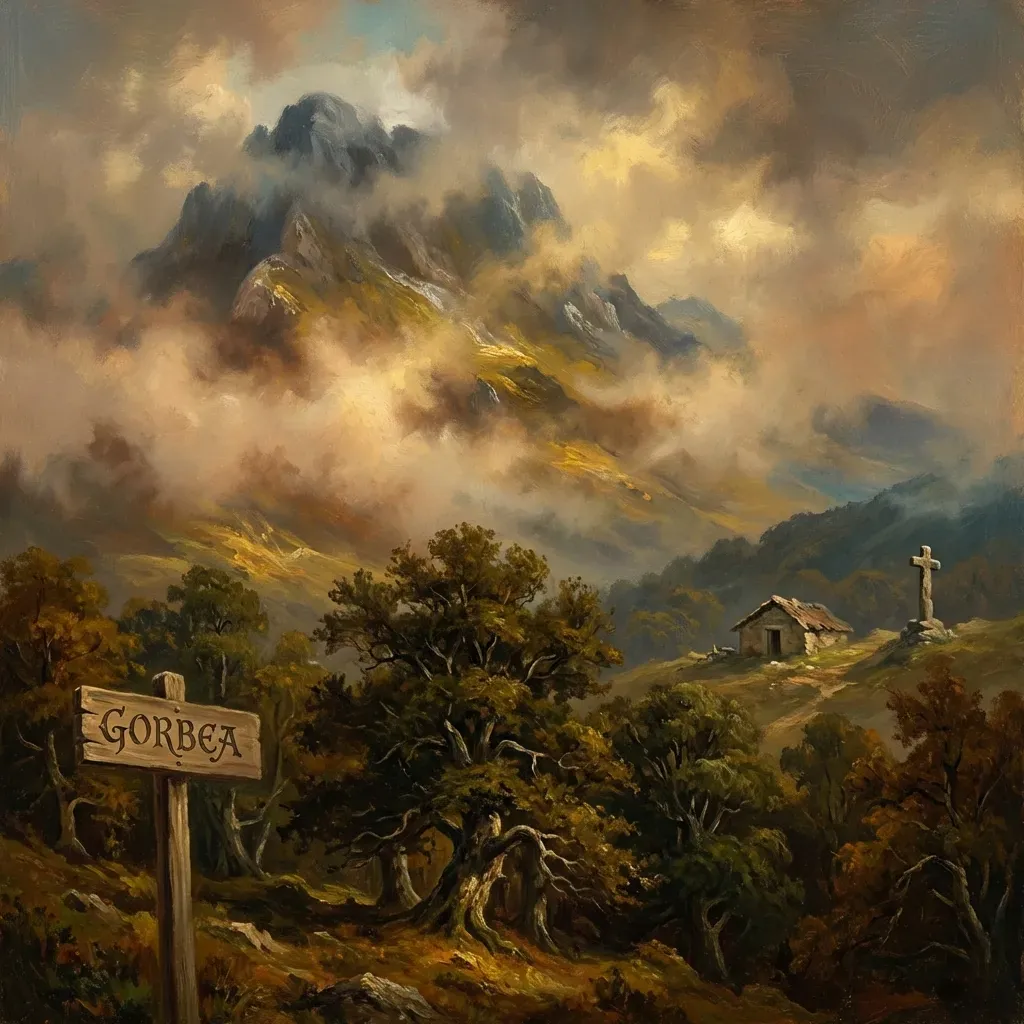
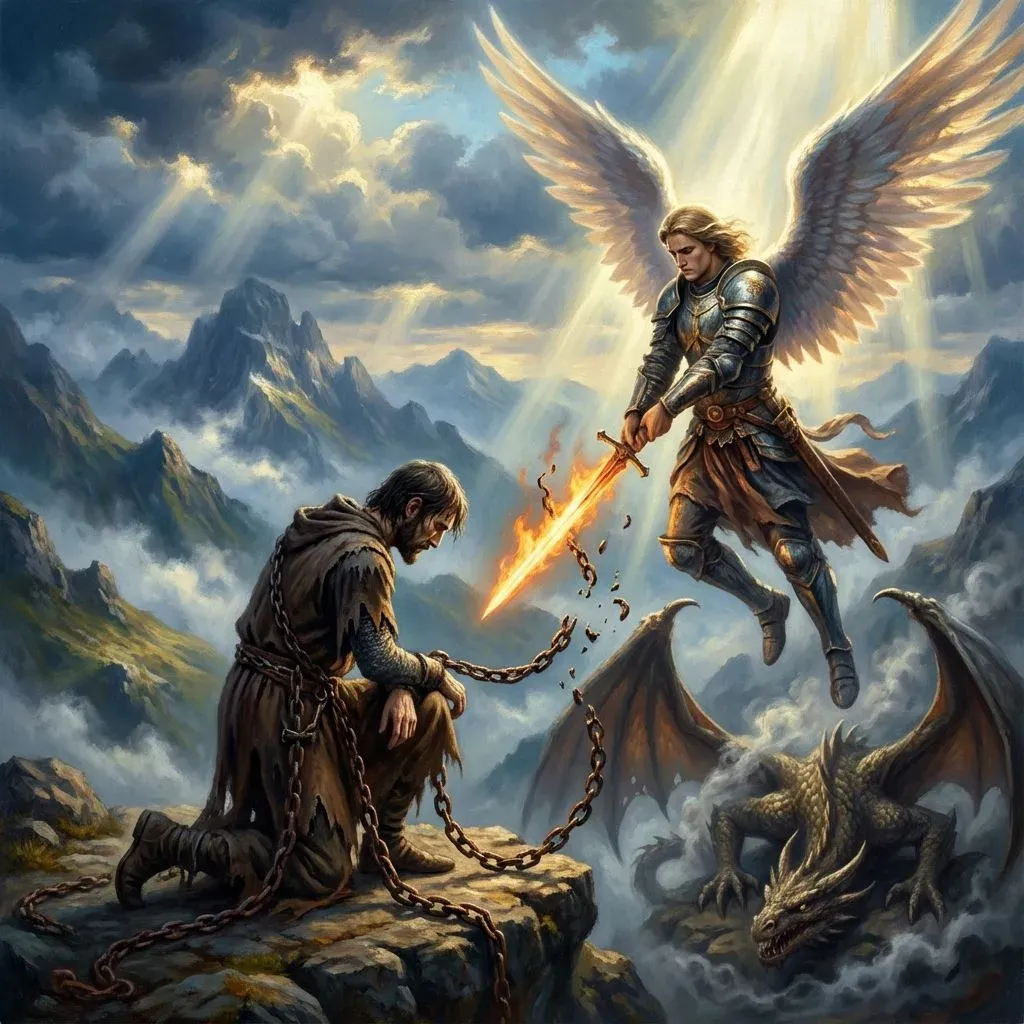
The Navarrese knight who, deceived by the devil, committed parricide and wandered in chains until Saint Michael freed him at Aralar.
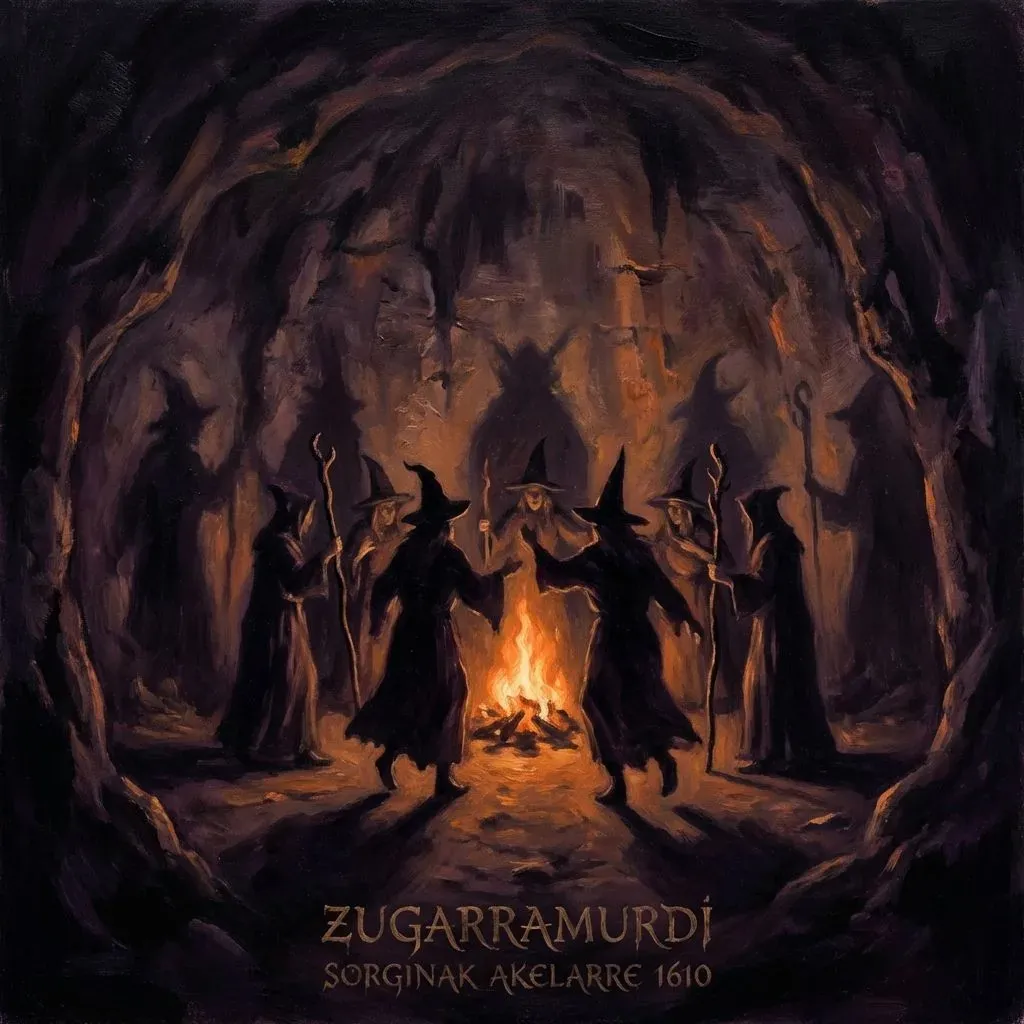
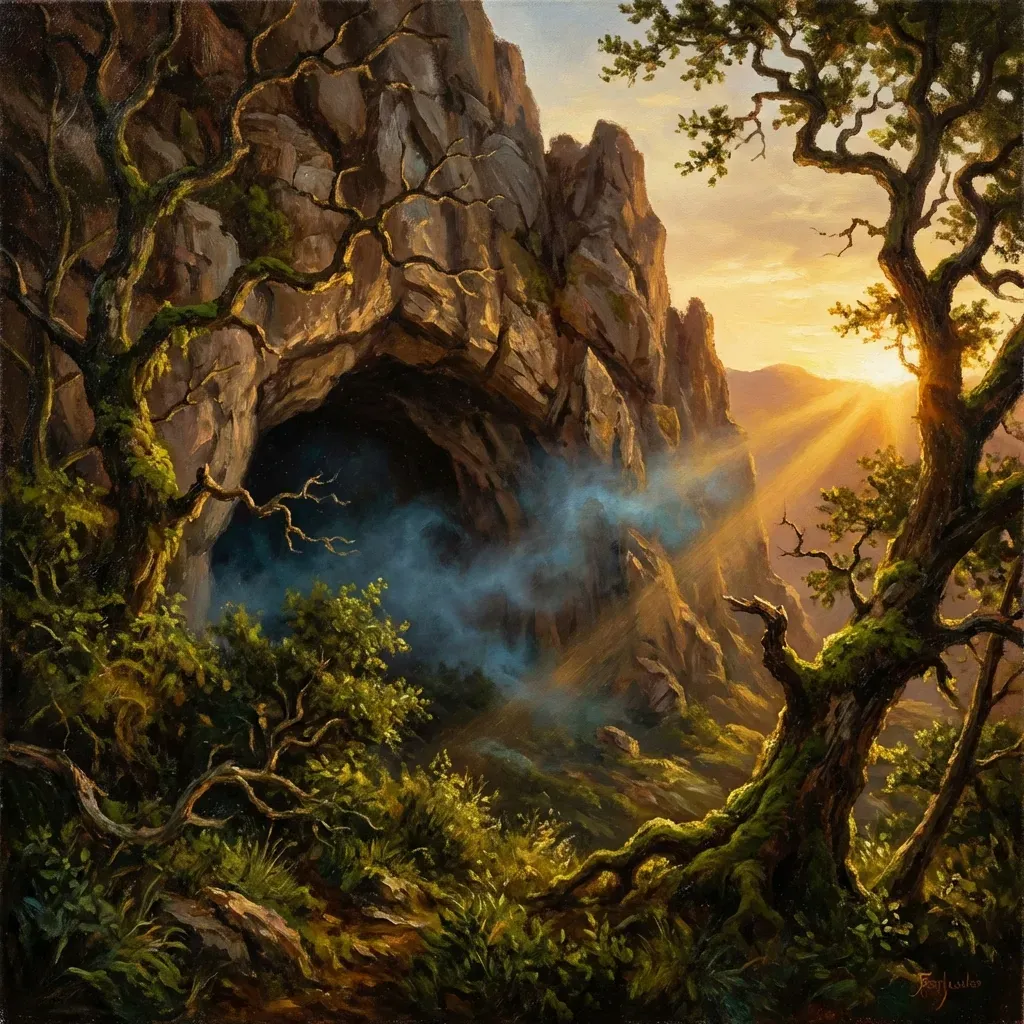
The famous inquisitorial trial of 1610 against the Navarrese witches who held akelarres in the sacred cave.
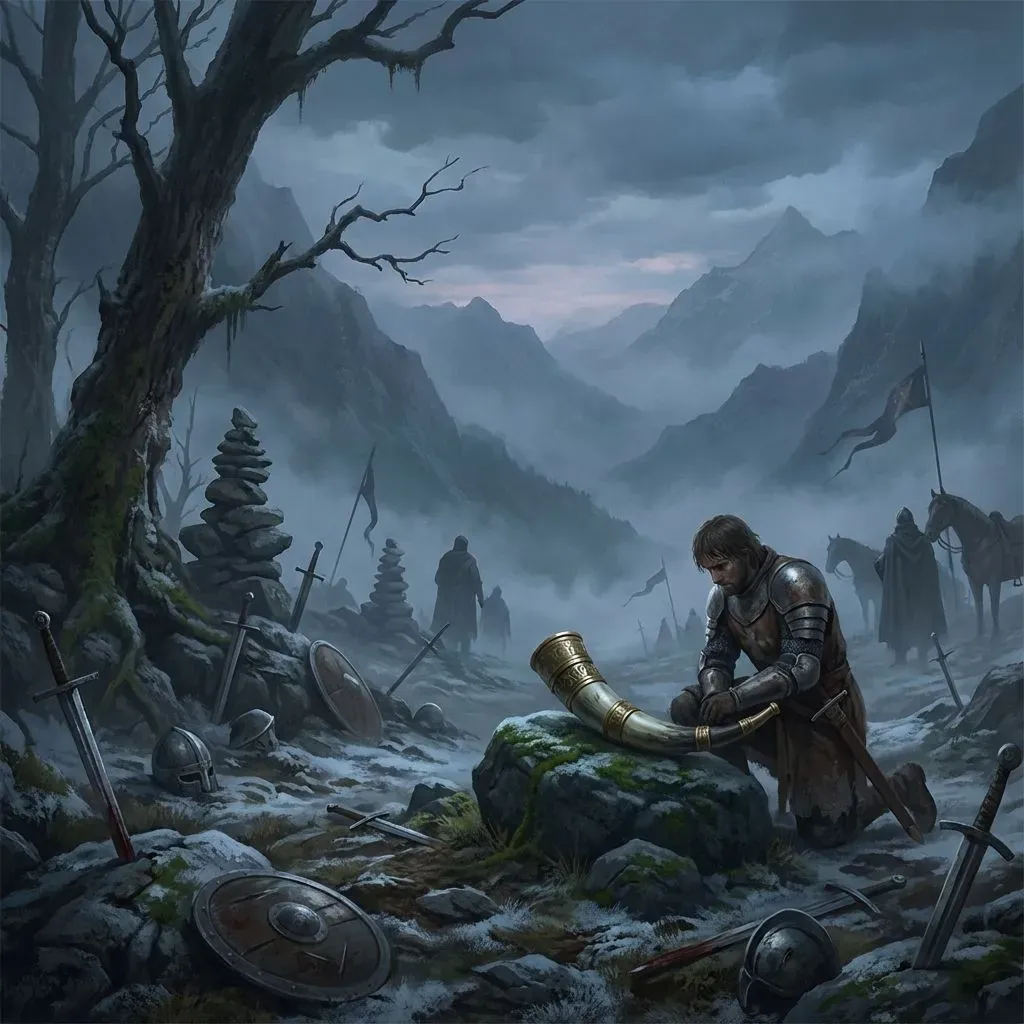
The Basque ambush against Charlemagne's army in the Pyrenean pass where the legendary Roland fell.
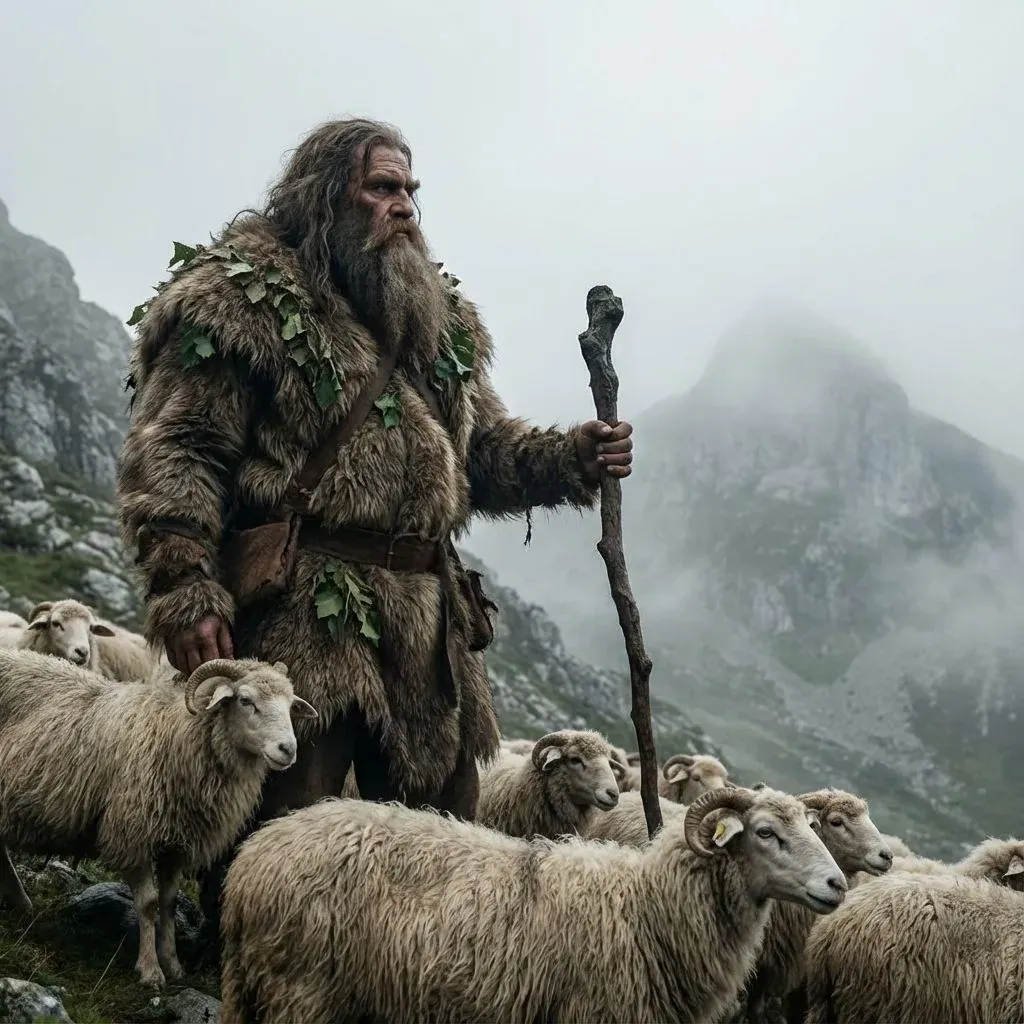
The shaggy giant who lives in the forests, protector of flocks and guardian of the secrets of agriculture and the forge.

Seductive nymphs who dwell in rivers and springs, recognisable by bird feet or fish tails, combing their hair with golden combs.
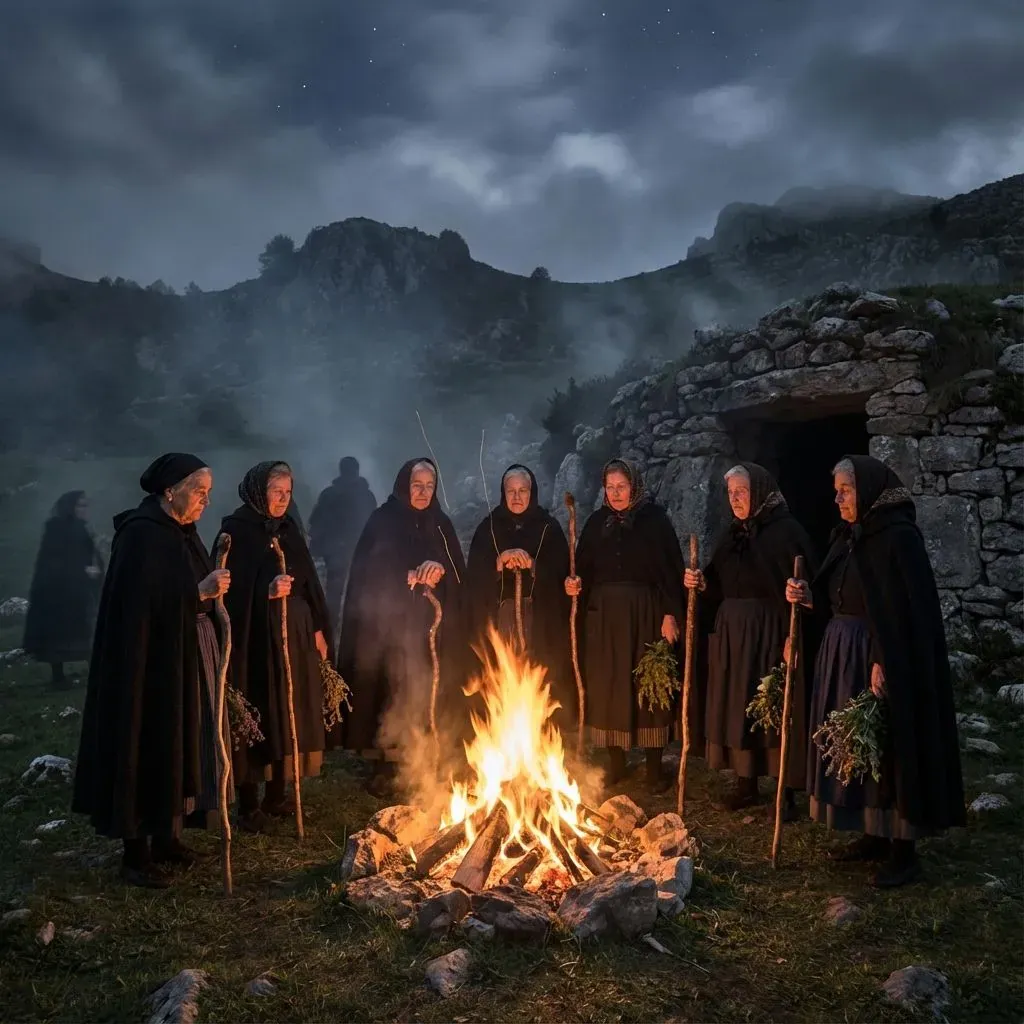
The Basque witches and wise women, priestesses of Mari who mastered potions, curses and the art of flying through the night sky.
The Bidasoa rises in Navarre’s mountains and flows north through the Baztan valley before forming the Spain–France boundary along its lower reaches. It enters the Bay of Biscay at Txingudi between Hondarribia and Hendaia. Its dual role as a Navarrese river and political frontier gives it many meanings within Basque culture.
The Bidasoa’s role as a political frontier is relatively recent compared with its long history as a route of communication and trade between Basque communities on both banks. Before European treaties divided them between France and Spain, riverside villages shared economic, cultural and family networks regardless of which bank held their farmhouse.
Pheasant Island lies in the Bidasoa between Hondarribia and Hendaia. One of the world’s smallest international condominiums, its administration alternates between Spain and France every six months under arrangements associated with the 1659 Treaty of the Pyrenees. This small neutral island hosted peace negotiations between the era’s major powers and important agreements in modern European history.
Txingudi estuary, where the Bidasoa meets the Bay of Biscay, is an important wetland for migratory birds. Its protected marshes and floodplains host thousands travelling between Africa and northern Europe each year, making this stretch of Basque coast a leading birdwatching destination.