Teodosius of Goñi
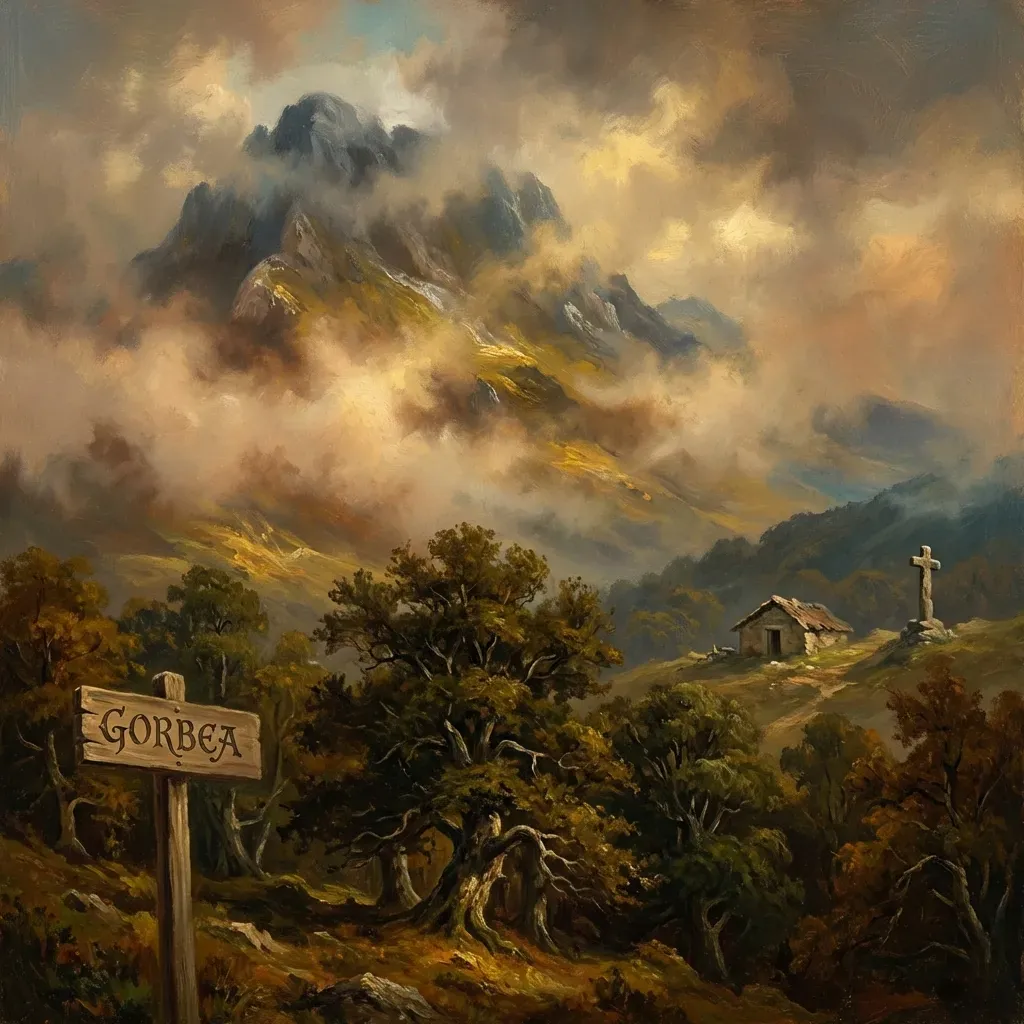
The Navarrese knight who, deceived by the devil, committed parricide and wandered in chains until Saint Michael freed him at Aralar.
— Lapurdi —
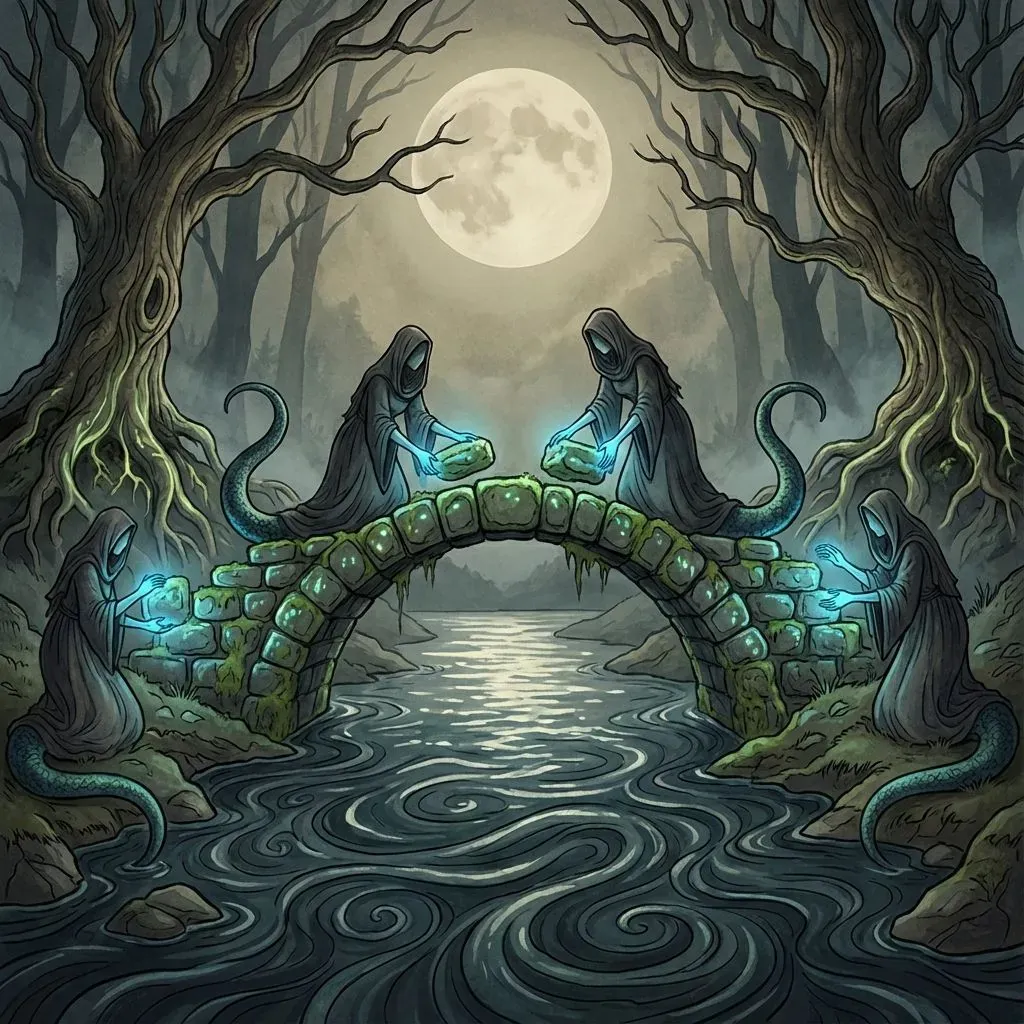
The Nivelle, known in Basque as Uhabia, is a small coastal river that rises on the slopes of Mount Larrun and flows into the Atlantic at Saint-Jean-de-Luz. Though modest in length, it shapes a landscape where mountain, estuary and maritime life come together in a distinctly Basque setting.
The estuary of the Nivelle forms the bay of Saint-Jean-de-Luz, one of the most beautiful natural harbours on the French Basque coast. It was here, in 1660, that the marriage of Louis XIV of France and Maria Theresa of Spain was celebrated, giving the river a place in both local and European history.
The waters of the Nivelle were once famous for their salmon, which returned every year to spawn upstream. Although salmon fishing has declined, the river remains an ecological thread linking the Atlantic shore with the green mountain landscapes of Lapurdi.
The course of the river crosses the heart of Lapurdi, passing near villages such as Sara and Ainhoa, both listed among the most beautiful in France. Its banks offer pleasant walks through a landscape where Basque rural architecture, historical memory and Atlantic nature remain closely interwoven.
The Navarrese knight who, deceived by the devil, committed parricide and wandered in chains until Saint Michael freed him at Aralar.
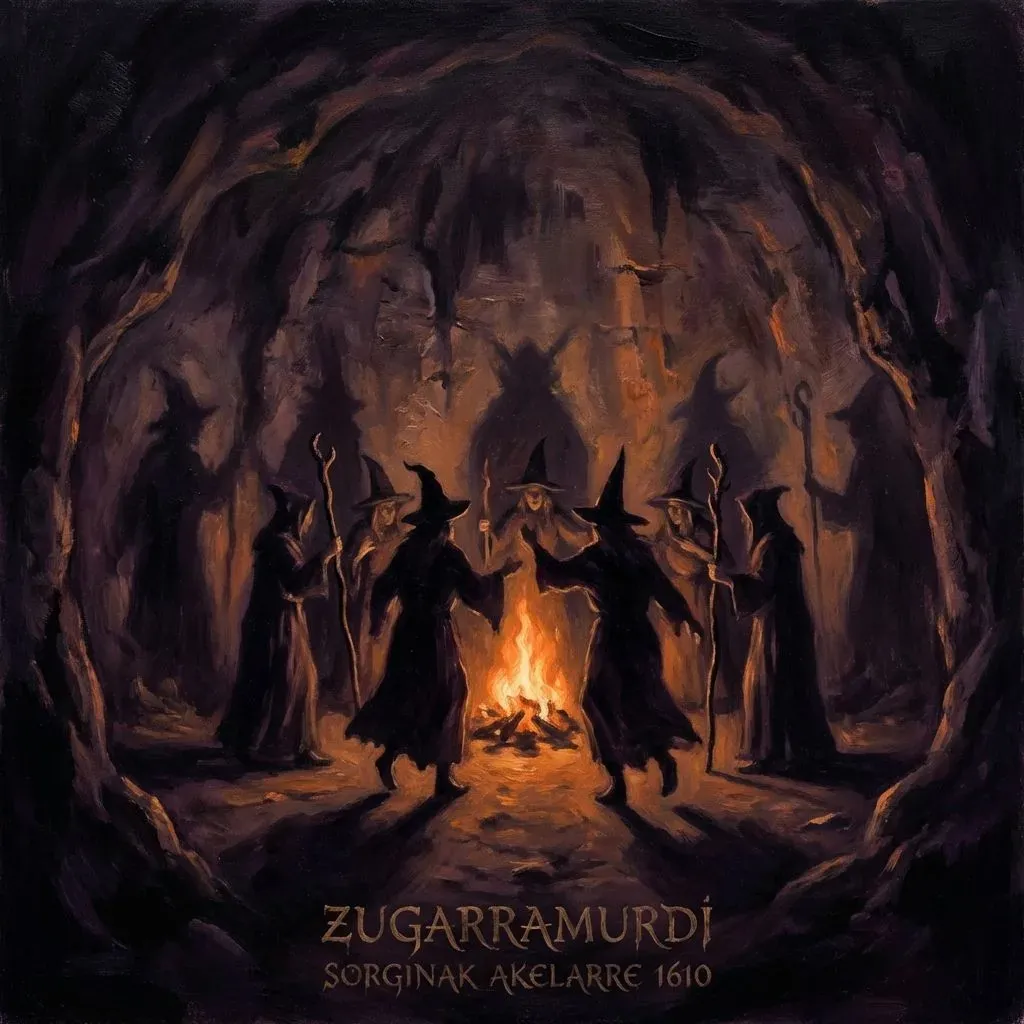
The famous inquisitorial trial of 1610 against the Navarrese witches who held akelarres in the sacred cave.
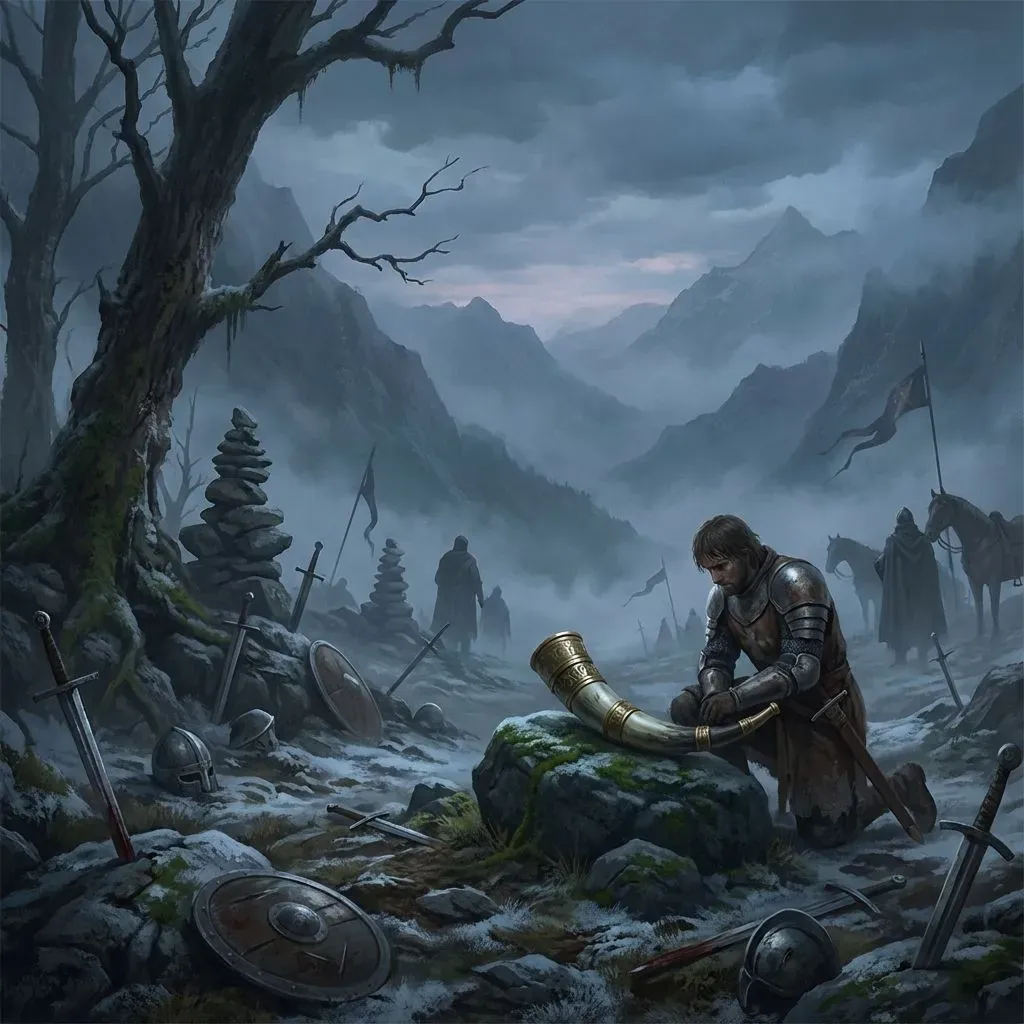
The Basque ambush against Charlemagne's army in the Pyrenean pass where the legendary Roland fell.

The shaggy giant who lives in the forests, protector of flocks and guardian of the secrets of agriculture and the forge.

Seductive nymphs who dwell in rivers and springs, recognisable by bird feet or fish tails, combing their hair with golden combs.
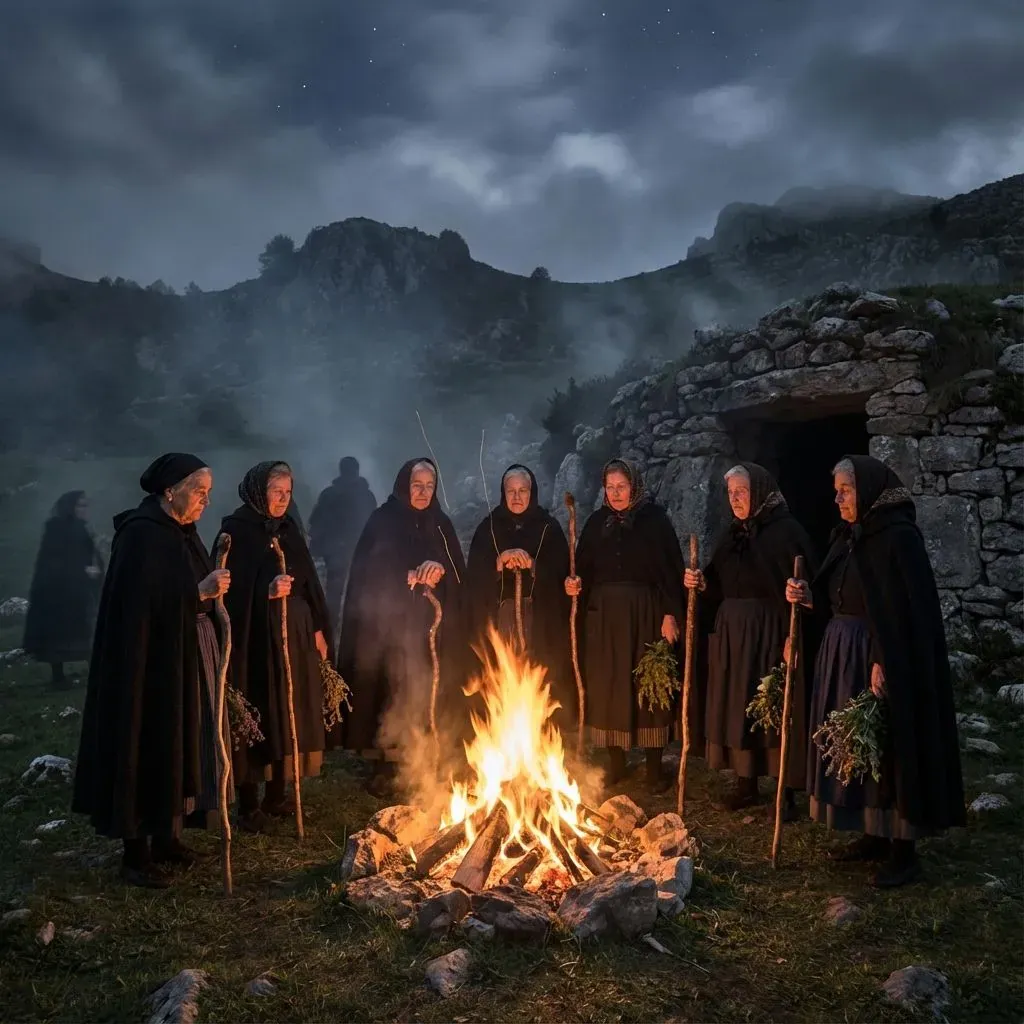
The Basque witches and wise women, priestesses of Mari who mastered potions, curses and the art of flying through the night sky.
The Nivelle rises in Navarre and reaches the Bay of Biscay at Saint-Jean-de-Luz. An important French Basque salmon river, it also carries rich coastal cultural traditions. Its clear waters descend from green inland hills along a short route to the sea, supporting Atlantic salmon and sea trout that return upstream each year to breed.
Ascain, through which the Nivelle passes before reaching the sea, was home to French writer and naval officer Pierre Loti. He set Ramuntcho in French Basque landscapes. Published in 1897, it was among the early works introducing Basque culture and scenery to a broad French-speaking European readership.
The Nivelle’s mouth at Saint-Jean-de-Luz, or Donibane Lohitzun, is closely tied to Basque whaling history. Voyages expanded into the North Atlantic and eventually to Newfoundland and Labrador, with roots traced to at least the twelfth century. Basque whalers established early permanent fishing bases on North American shores before official exploration became widespread.
Saint-Jean-de-Luz, whose harbour and beach are shaped by the Nivelle, hosted Louis XIV’s marriage to Infanta Maria Theresa of Spain in 1660. The event marked peace between France and Spain and briefly made the town Europe’s political centre. The church of Saint John the Baptist retains the doorway the king used, walled up afterwards to mark the occasion’s unique character.