Teodosius of Goñi
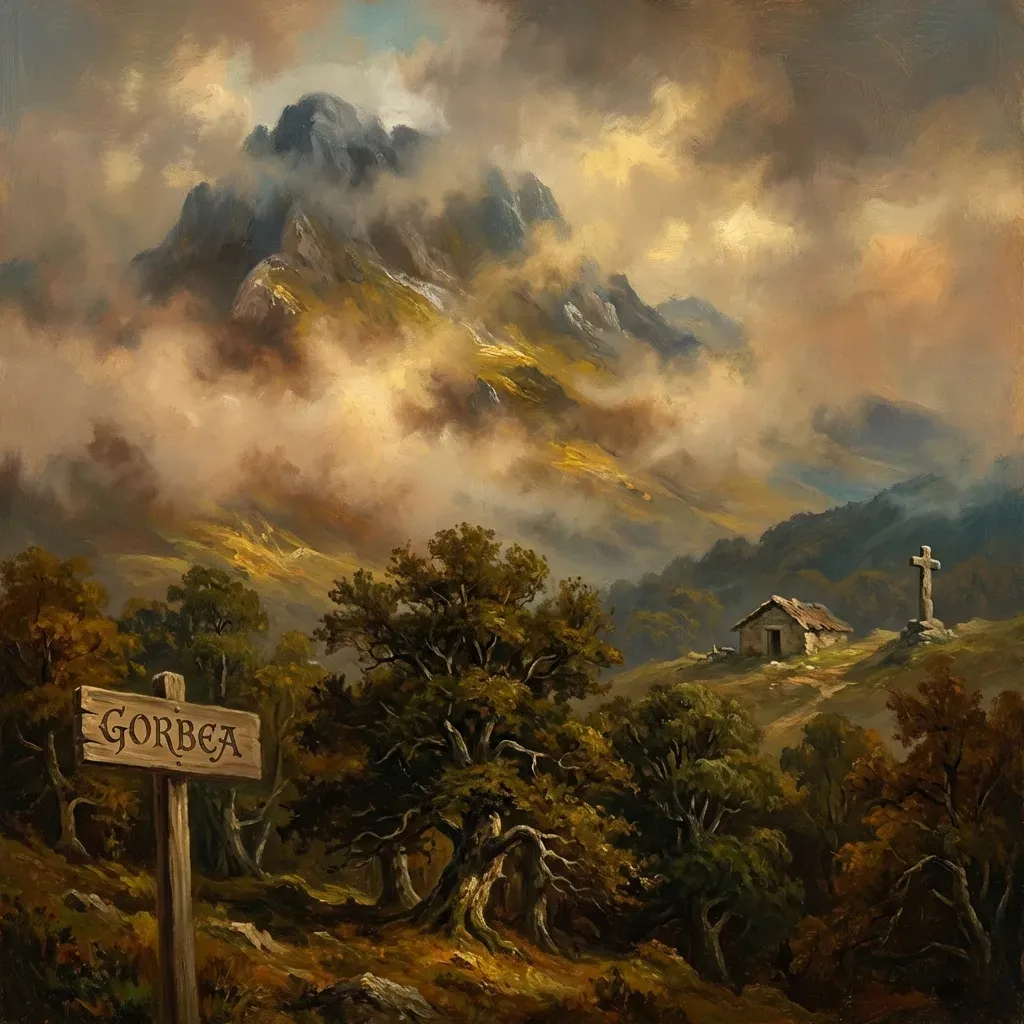
The Navarrese knight who, deceived by the devil, committed parricide and wandered in chains until Saint Michael freed him at Aralar.
— Gipuzkoa —

The Urola is one of the most important rivers in Gipuzkoa, rising on the slopes of Aizkorri and flowing into the Bay of Biscay at Zumaia after a course of about fifty-five kilometres. Its valley has long been a corridor where nature, industry and spirituality meet.
The river passes through towns of major historical and industrial importance such as Legazpi, Zumarraga, Azkoitia and Azpeitia, the latter home to the sanctuary of Loyola, birthplace of Saint Ignatius. Ironworks, workshops and transport routes made the Urola valley one of the great productive axes of inland Gipuzkoa.
The waters of the Urola have supplied energy to industry for centuries. Mills, ironworks and later textile factories harnessed its current, turning the valley into one of the clearest examples of how a Basque river could shape economy, landscape and local identity all at once.
At its mouth, the Urola has sculpted the spectacular flysch cliffs of Zumaia, world-famous geological formations recording sixty million years of Earth history, including the boundary between the Cretaceous and the Paleogene. This makes the river both a cultural corridor and a geological archive of extraordinary value.
The Navarrese knight who, deceived by the devil, committed parricide and wandered in chains until Saint Michael freed him at Aralar.
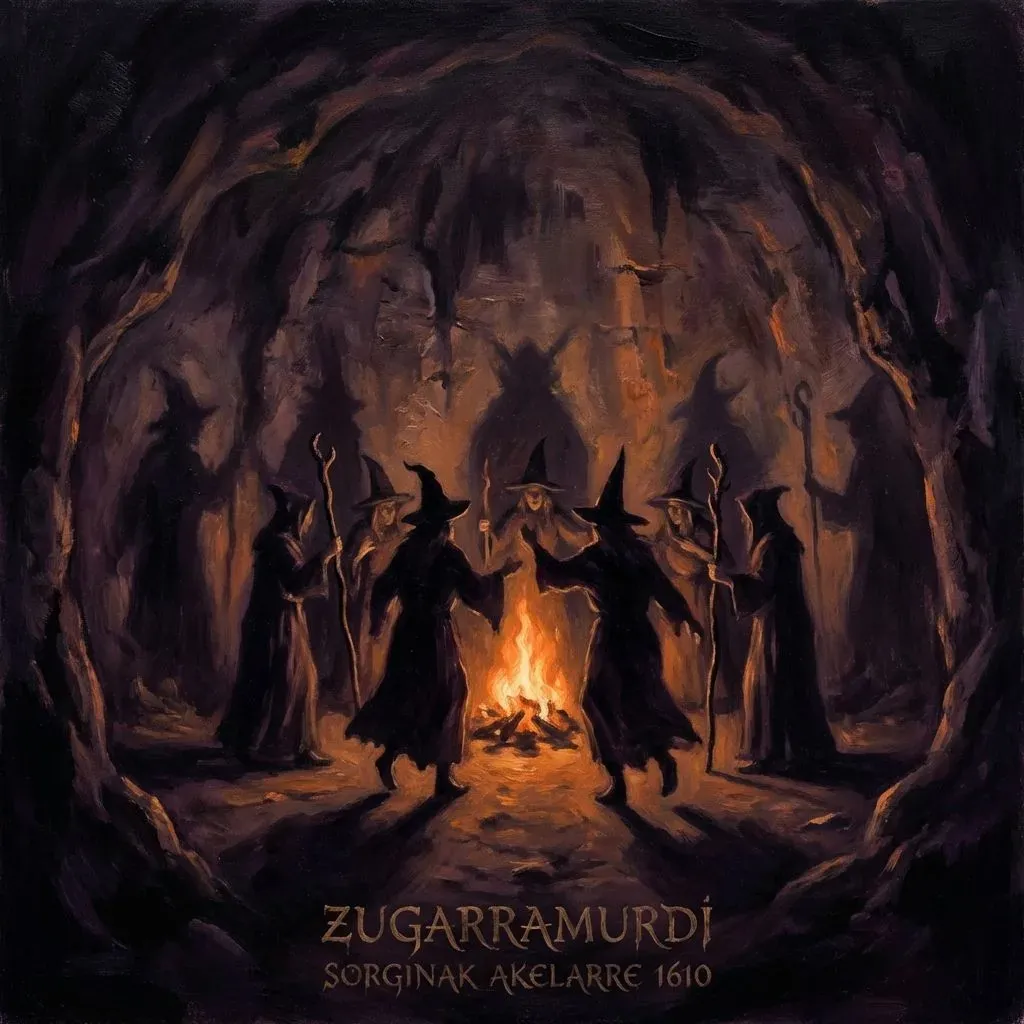
The famous inquisitorial trial of 1610 against the Navarrese witches who held akelarres in the sacred cave.
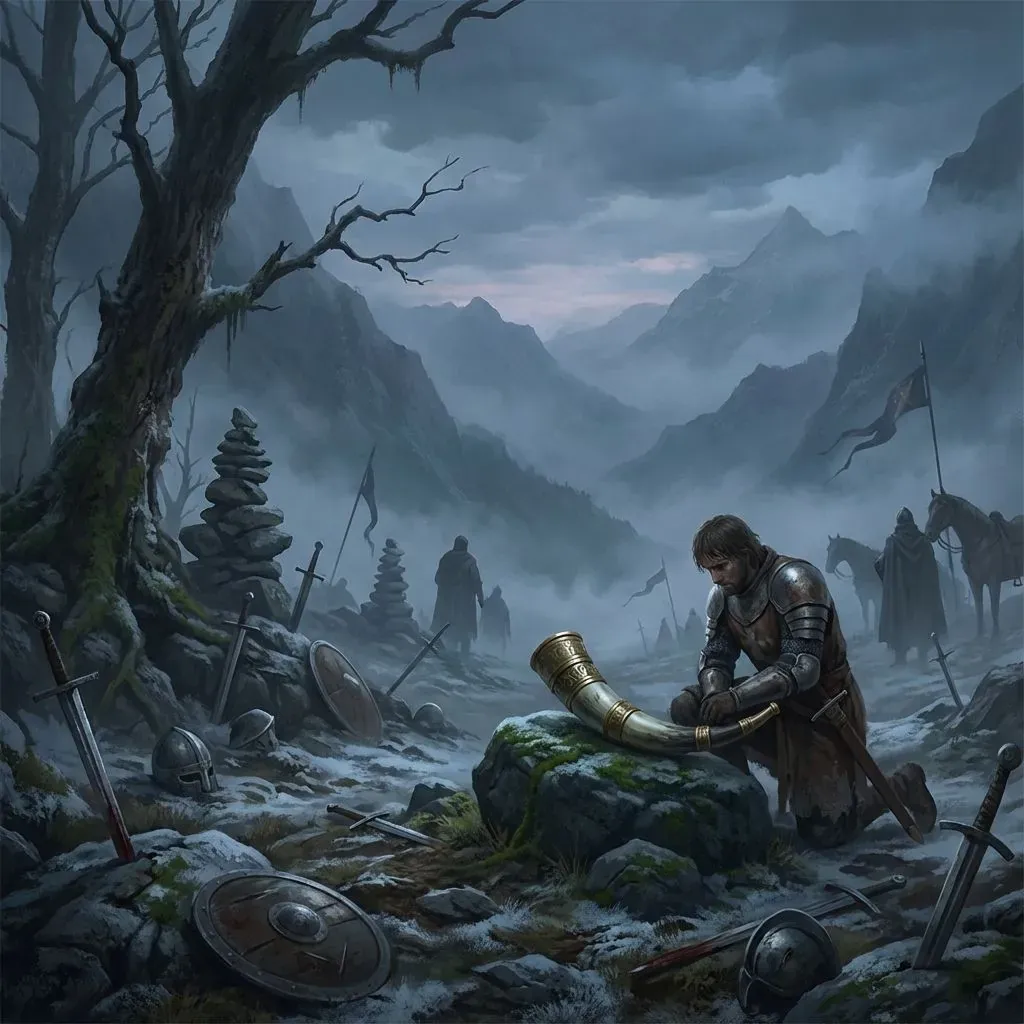
The Basque ambush against Charlemagne's army in the Pyrenean pass where the legendary Roland fell.
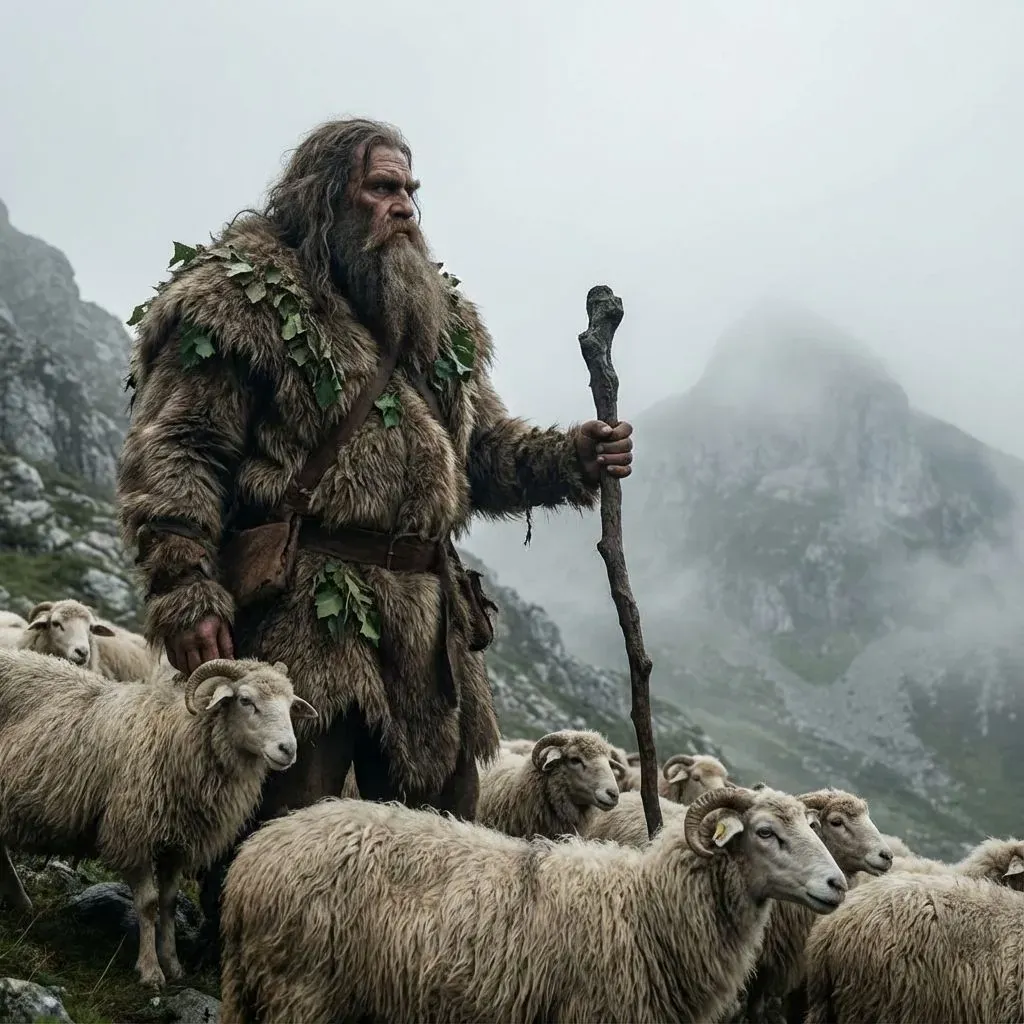
The shaggy giant who lives in the forests, protector of flocks and guardian of the secrets of agriculture and the forge.

Seductive nymphs who dwell in rivers and springs, recognisable by bird feet or fish tails, combing their hair with golden combs.
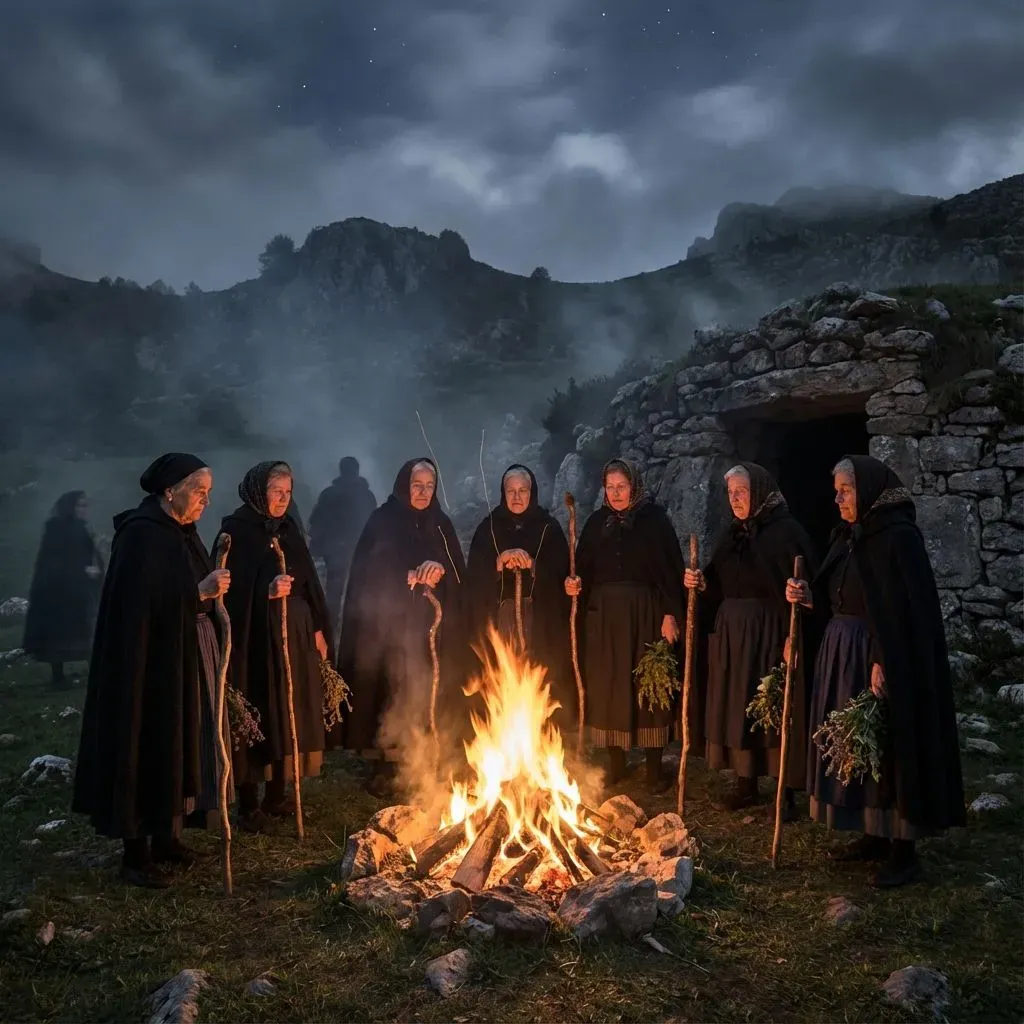
The Basque witches and wise women, priestesses of Mari who mastered potions, curses and the art of flying through the night sky.
The Urola rises in the Aizkorri range and flows northwest through Gipuzkoa, passing Zumarraga, Azpeitia and Azkoitia before reaching the sea at Zumaia. Its compact basin contains exceptional heritage, from Ekain’s Palaeolithic paintings to Baroque Loyola and coastal flysch recording the dinosaurs’ extinction.
Ekain’s rock art near Zestoa and Loyola sanctuary in Azpeitia mark distant ends of a sacred history in the Urola basin extending over at least fifteen thousand years. Between a Palaeolithic cave painted with horses and a Baroque basilica surrounding the Jesuit founder’s birthplace lies a recurring sacred attachment to the same valley that seems more than coincidental.
The Urola’s mouth at Zumaia begins the flysch coast towards Deba, a major visible record of the Cretaceous–Palaeogene boundary. Coastal walks, with or without specialist guides, offer an extraordinary geological experience: sixty million years of earth history are literally written in the cliffs.
Zumaia, with its compact old town, former glass factory converted into a cultural space and Itzurun beach framed by flysch cliffs, shows how a medium-sized Basque coastal town can offer a complete cultural and natural experience without oversized tourist infrastructure.