Teodosius of Goñi
The Navarrese knight who, deceived by the devil, committed parricide and wandered in chains until Saint Michael freed him at Aralar.
— Gipuzkoa —

The Urumea is the river that gives life to Donostia-San Sebastian and its surrounding region. It rises in the mountains of Navarre and flows into the Cantabrian Sea after covering about sixty kilometres of valleys and gorges. Its basin is relatively small, yet it has seen intense human activity since prehistoric times.
The upper Urumea, around Goizueta and Artikutza, preserves one of the best-kept Atlantic forests in Euskal Herria. The Artikutza reservoir, built in the early twentieth century to supply San Sebastian, created a mountain landscape that is now a refuge for deer, wild boar and birds of prey.
As it passes through the Gipuzkoan capital, the Urumea widens into an estuary that divides the city between its two banks. The bridges that cross it, including the Kursaal, Santa Catalina and Maria Cristina bridges, framee some of the most recognisable views of the city.
Historically, the river played a key role in local industry and trade. Its waters drove forges and mills, and its estuary served as a natural harbour before the rise of the modern port of Pasaia. Today its banks have become a major green axis linking city, river and memory.
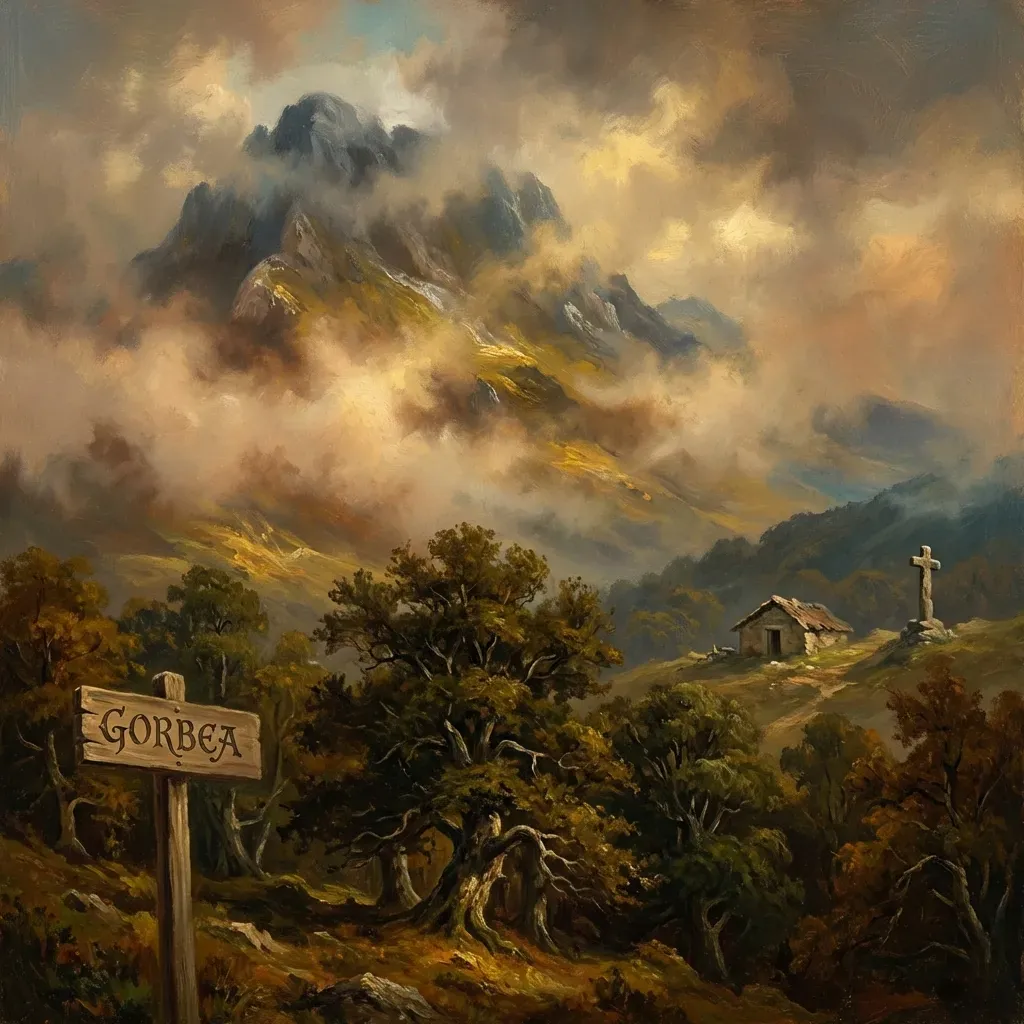
The Navarrese knight who, deceived by the devil, committed parricide and wandered in chains until Saint Michael freed him at Aralar.
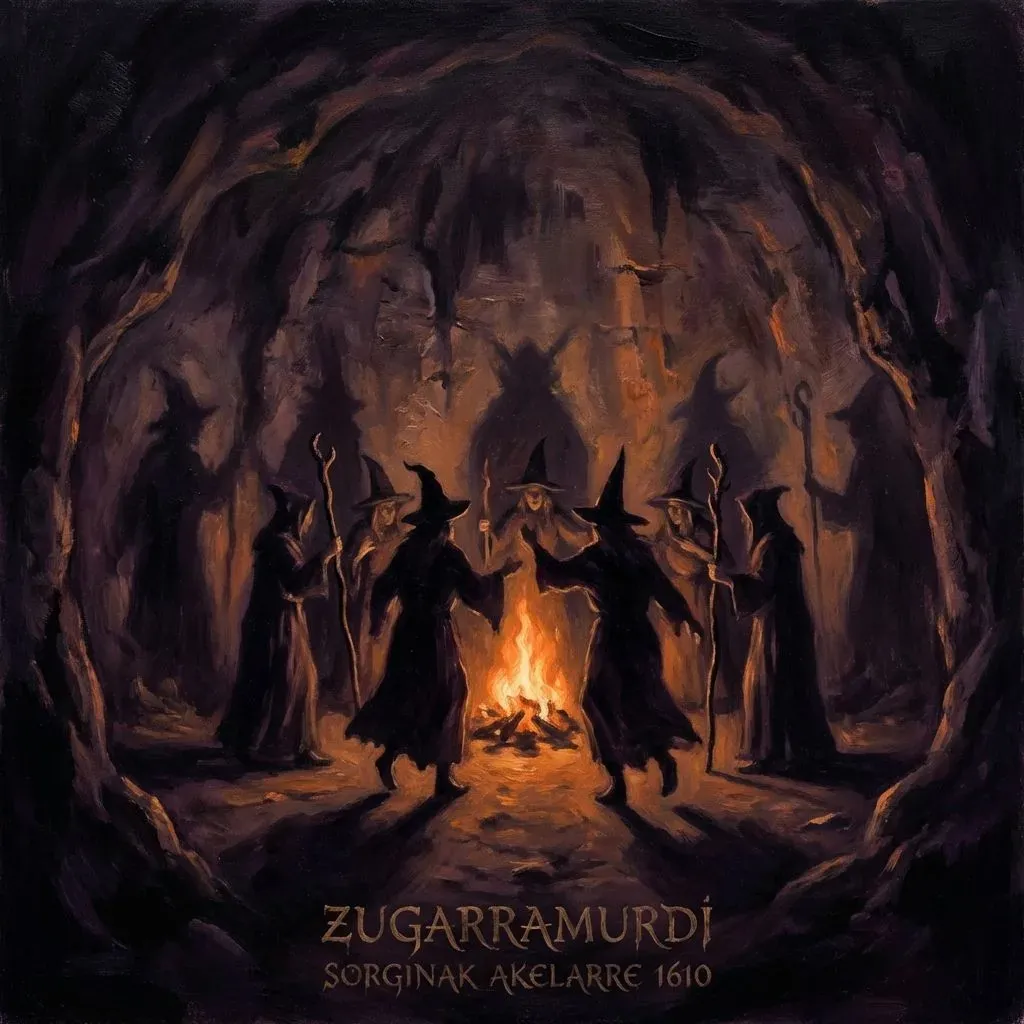
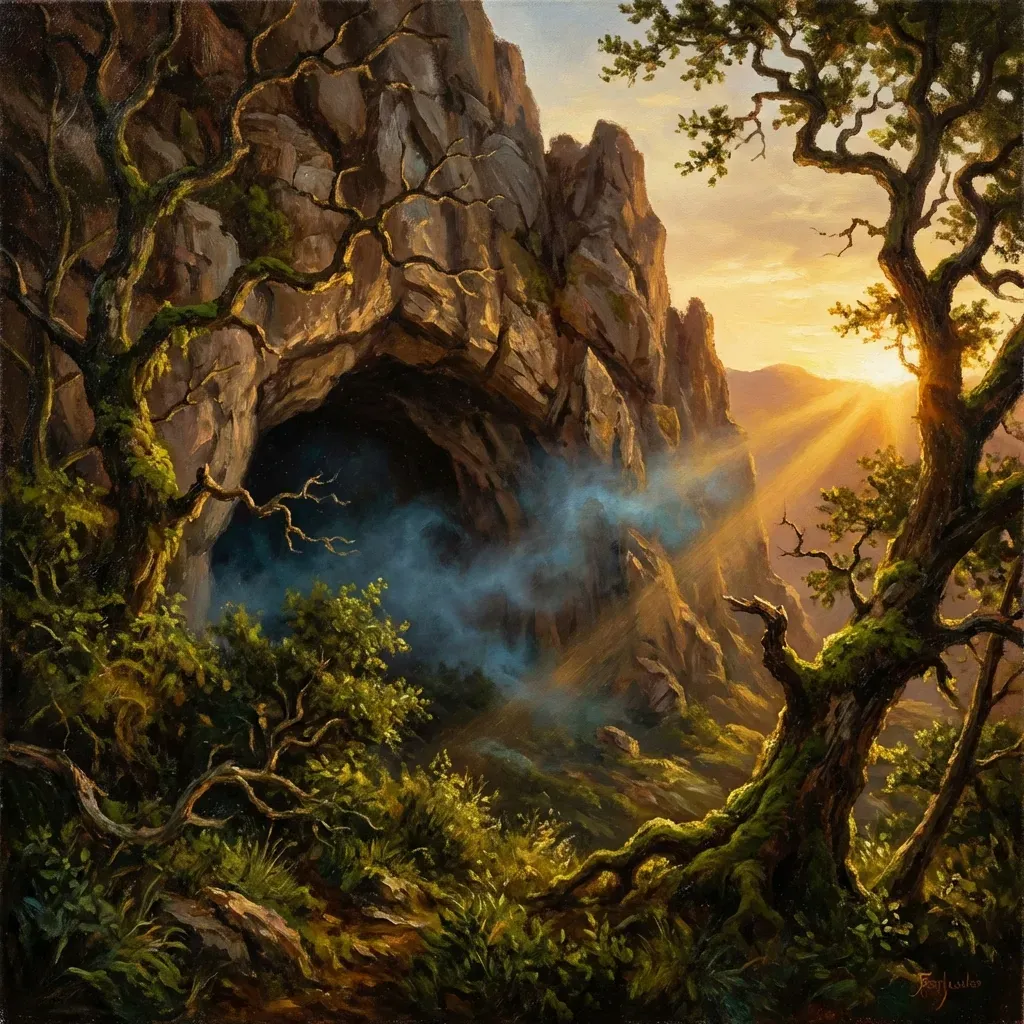
The famous inquisitorial trial of 1610 against the Navarrese witches who held akelarres in the sacred cave.
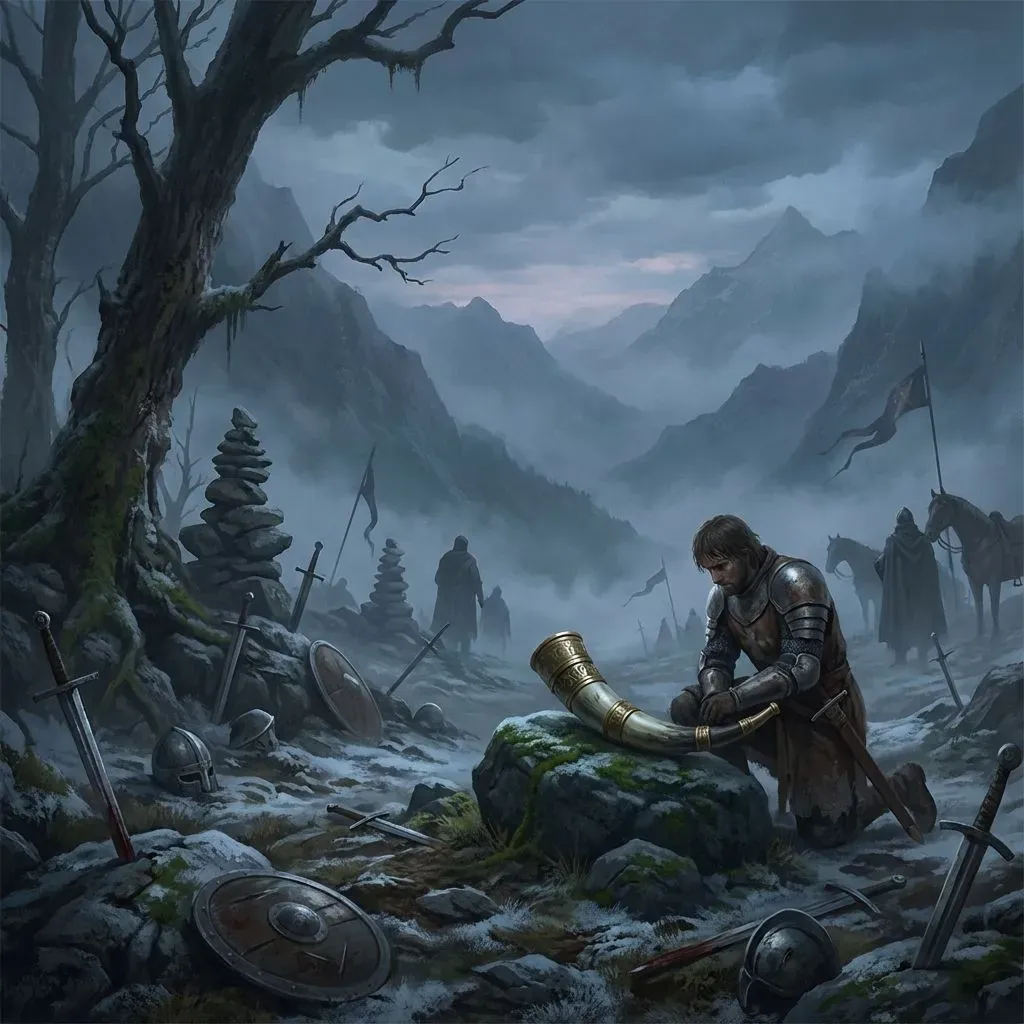
The Basque ambush against Charlemagne's army in the Pyrenean pass where the legendary Roland fell.
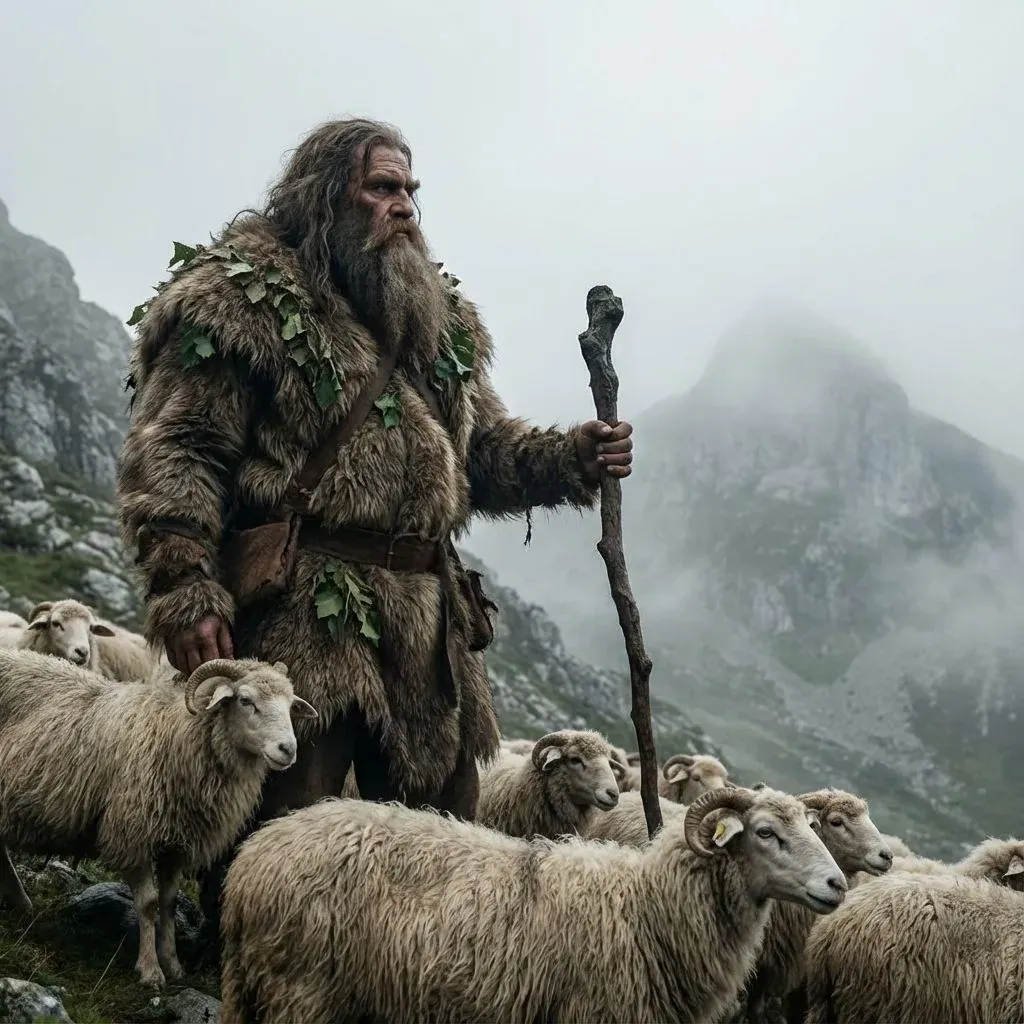
The shaggy giant who lives in the forests, protector of flocks and guardian of the secrets of agriculture and the forge.

Seductive nymphs who dwell in rivers and springs, recognisable by bird feet or fish tails, combing their hair with golden combs.
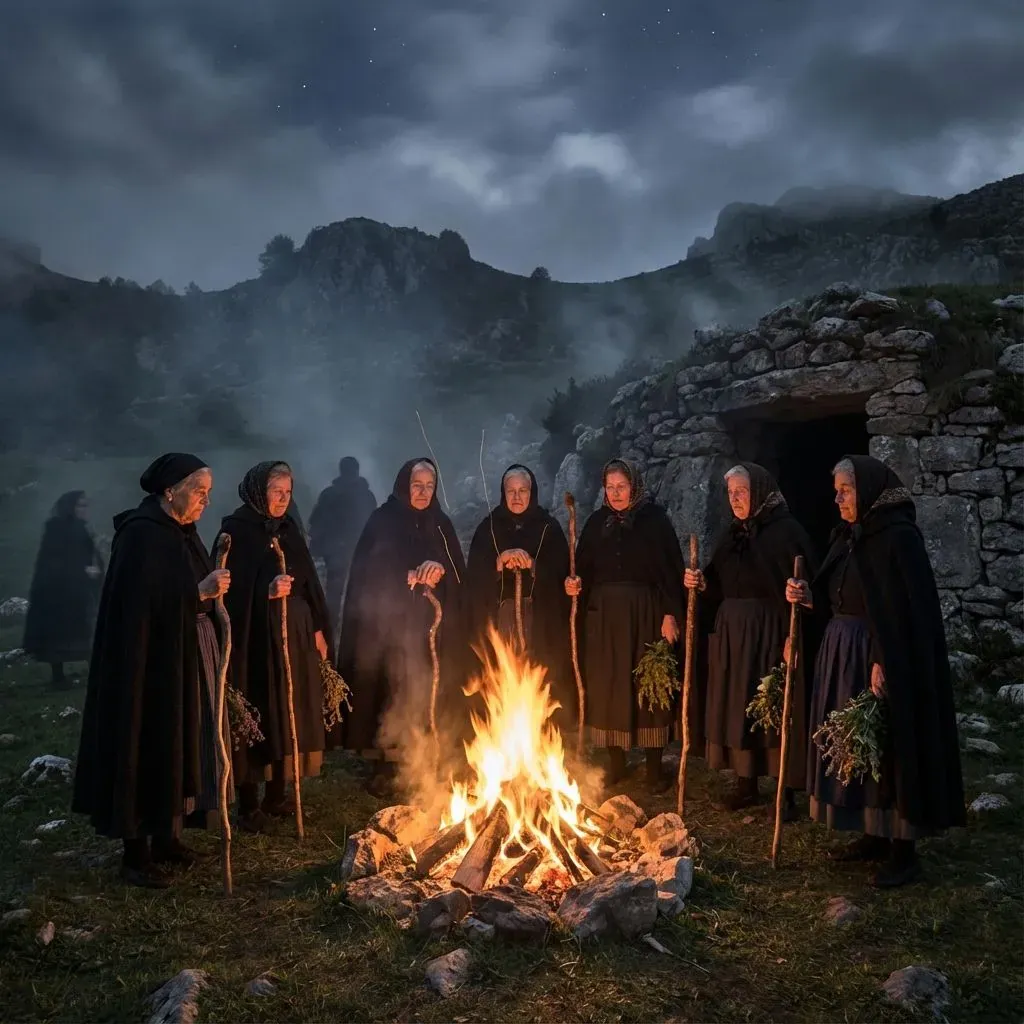
The Basque witches and wise women, priestesses of Mari who mastered potions, curses and the art of flying through the night sky.
The Urumea reaches the sea inside Donostia itself, separating the old town from Zurriola beach. At high tide after dark, its estuary mirrors the city lights. This embrace between river and city helps make Donostia one of northern Spain’s most beautiful capitals.
Before entering Donostia, the upper Urumea crosses green hills and scattered farmhouses, preserving an Atlantic character less altered by urbanisation than areas near the city. The Basque Way of St James partly follows the valley west from Irún, passing some of the territory’s most photographed farmhouses.
The urban Urumea’s bridges, including María Cristina, Santa Catalina, Zurriola and Kursaal, are architectural landmarks representing different periods, styles and materials. María Cristina, built in 1905 with four neoclassical towers, is particularly elegant and frequently photographed, reflecting Belle Époque Donostia’s urban ambitions.
Periodic flooding has shaped Donostia’s relationship with the Urumea for centuries. Twentieth-century channel works greatly reduced the risk but changed the urban river’s character, turning an active natural force into a controlled channel that still reveals some of its former personality during storms.