Teodosius of Goñi
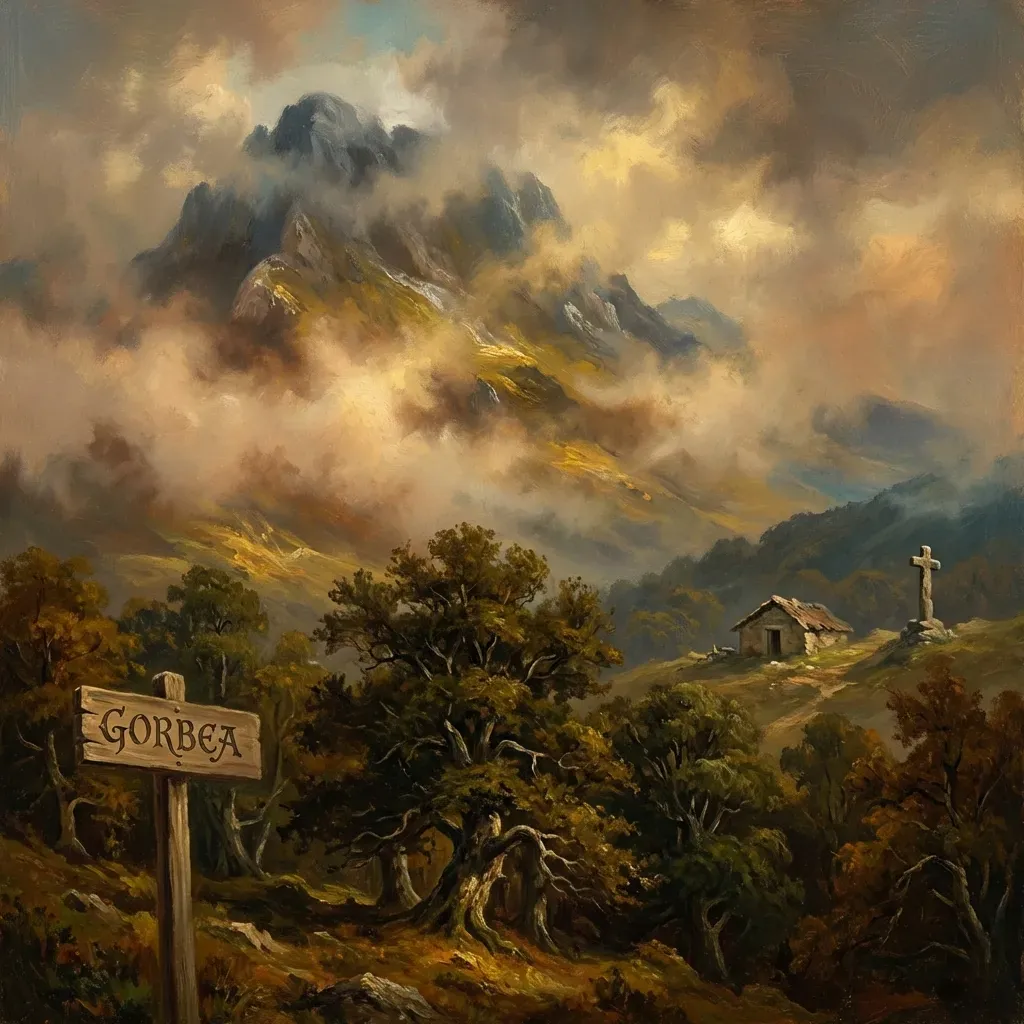
The Navarrese knight who, deceived by the devil, committed parricide and wandered in chains until Saint Michael freed him at Aralar.
— Gipuzkoa —
The sanctuary of the Virgin of Guadalupe stands on the slopes above Hondarribia, overlooking one of the most beautiful stretches of the Basque coast. Its location between mountain, sea and frontier has made it a place of strategic, emotional and religious significance for centuries.
According to tradition, the image of the Virgin was found by fishermen in the waters of the bay of Txingudi and carried in procession to the hill where the sanctuary now stands. Whether legendary or historical, that story deepened the bond between the shrine and the maritime life of the region.
The present sanctuary was built in the sixteenth century, though it has undergone many reforms since then. Its commanding position above the bay and the border turned it into both a place of devotion and a lookout over a landscape where sea, war and pilgrimage were long intertwined.
On 8 September, the Virgin’s feast day, the town holds its traditional Alarde, a spectacular parade commemorating the lifting of the French siege in 1638 and involving the whole community.
The Navarrese knight who, deceived by the devil, committed parricide and wandered in chains until Saint Michael freed him at Aralar.
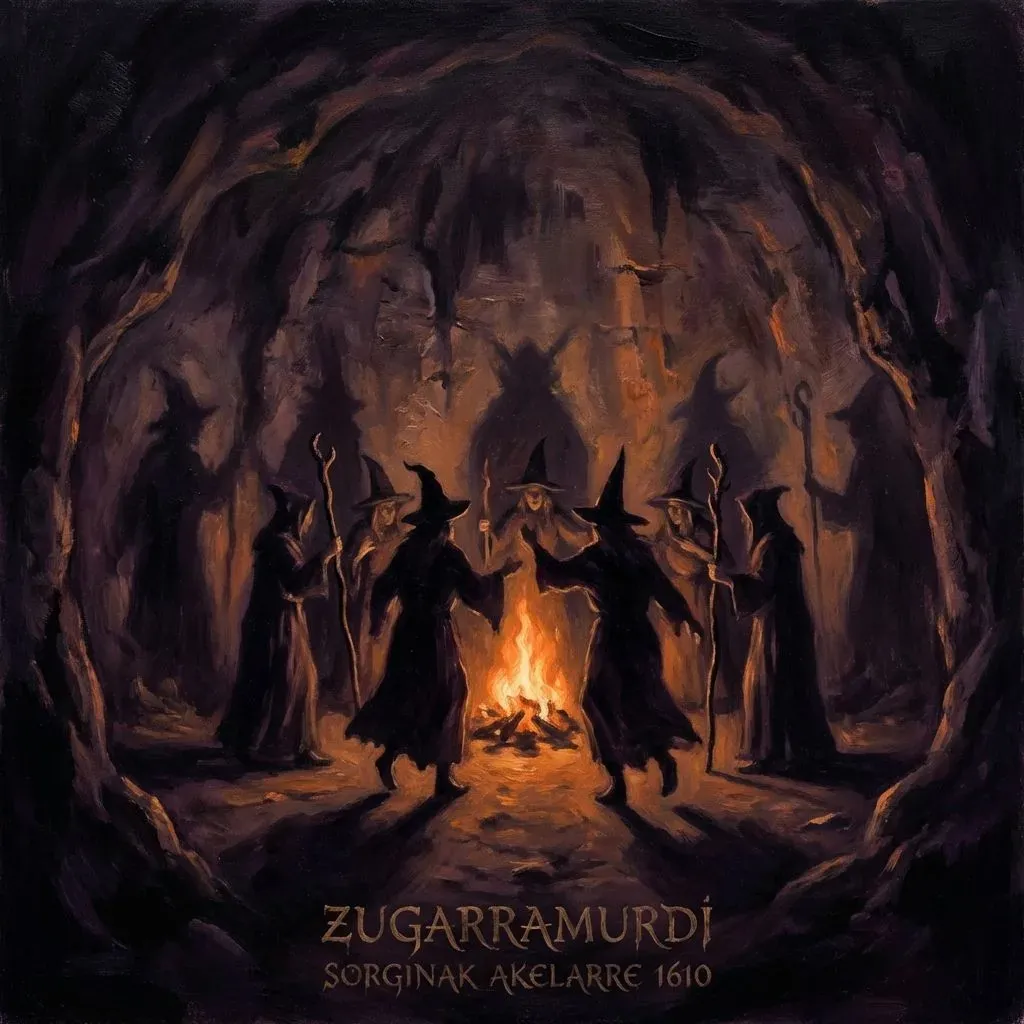
The famous inquisitorial trial of 1610 against the Navarrese witches who held akelarres in the sacred cave.
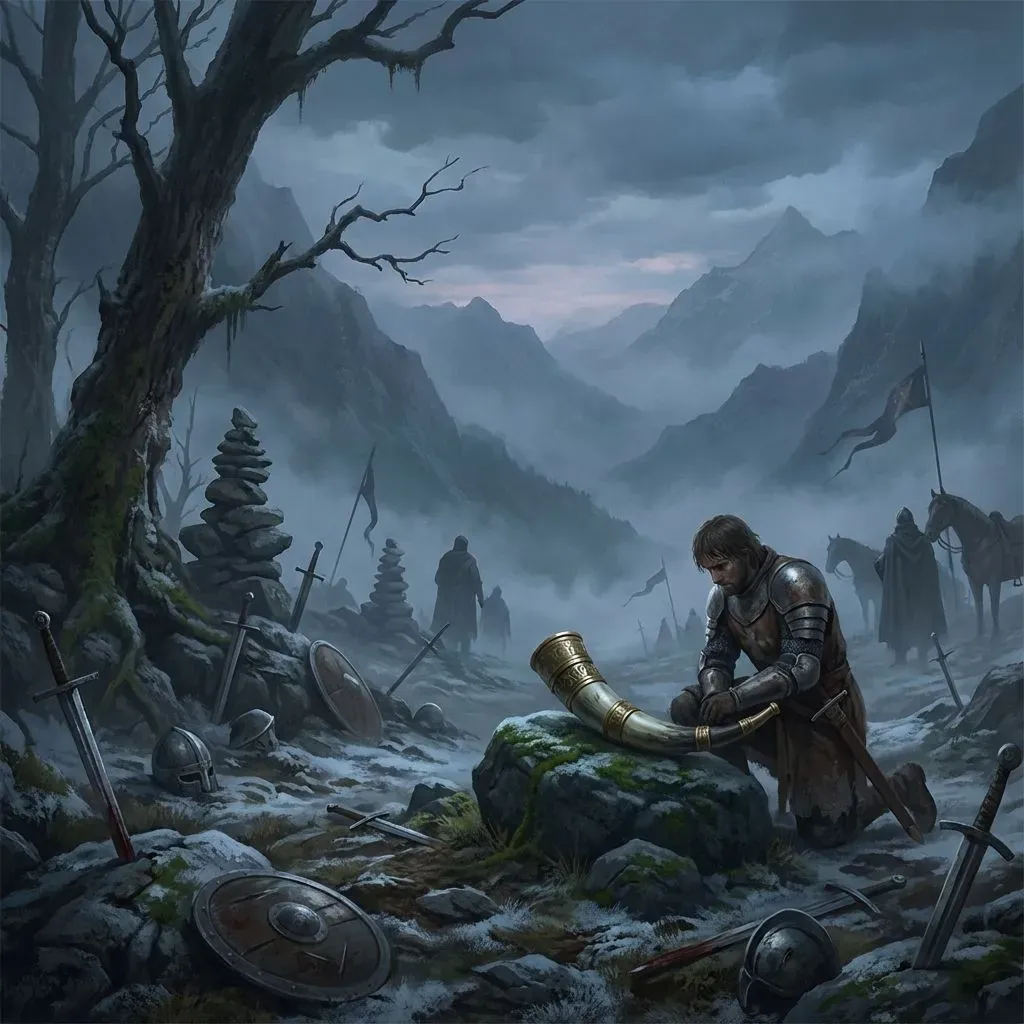
The Basque ambush against Charlemagne's army in the Pyrenean pass where the legendary Roland fell.

The shaggy giant who lives in the forests, protector of flocks and guardian of the secrets of agriculture and the forge.

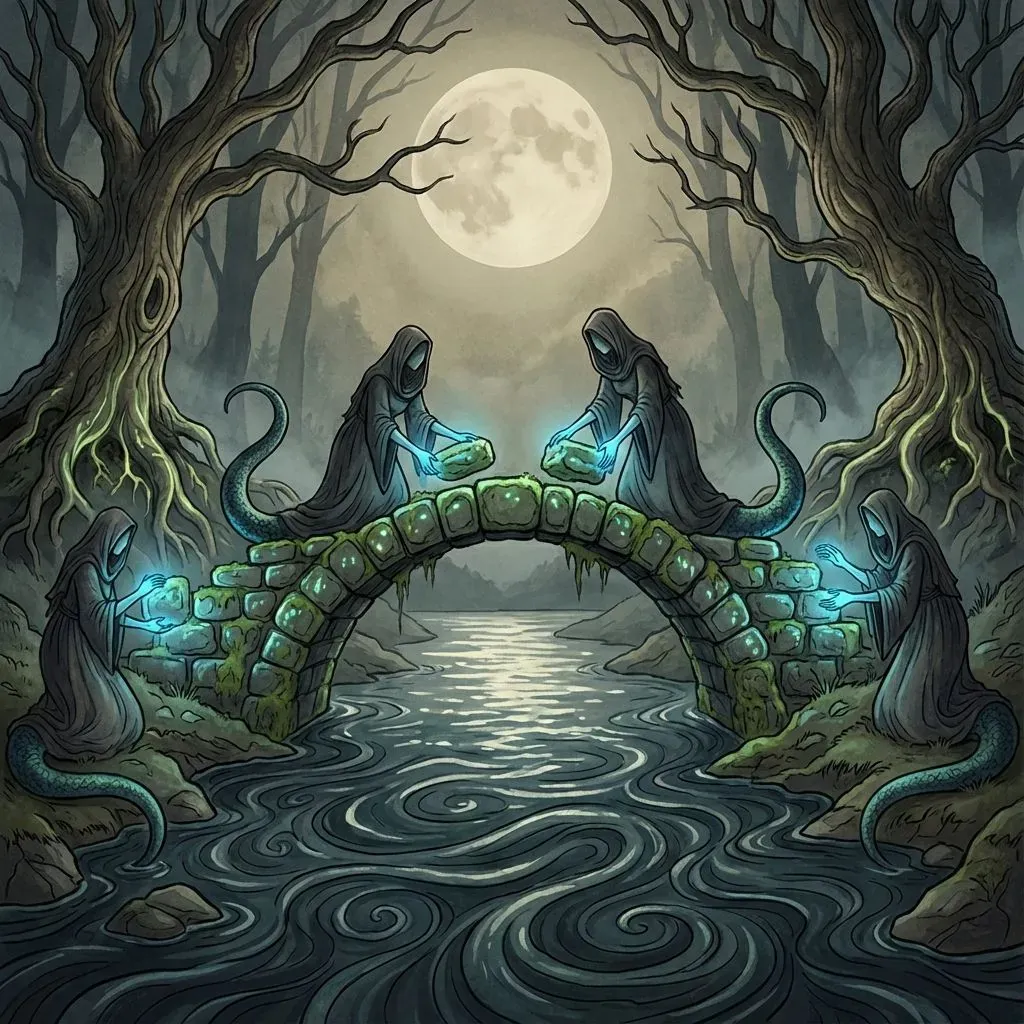
Seductive nymphs who dwell in rivers and springs, recognisable by bird feet or fish tails, combing their hair with golden combs.
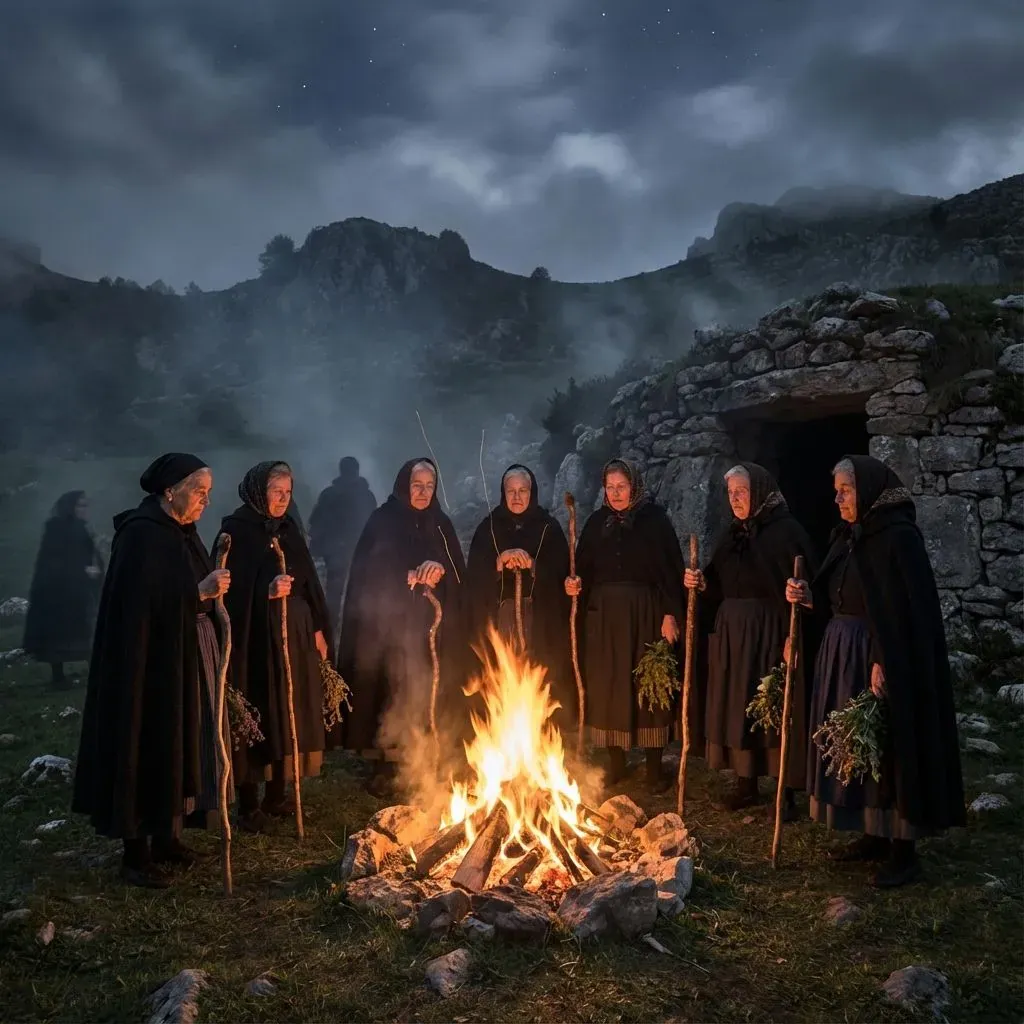
The Basque witches and wise women, priestesses of Mari who mastered potions, curses and the art of flying through the night sky.
Our Lady of Guadalupe sanctuary on Jaizkibel in Hondarribia is among Gipuzkoa’s most historic Marian pilgrimage sites. Associated with the mountain’s commanding 543-metre height, it has served sailors as a visual landmark and a destination for promises and offerings from those surviving Bay of Biscay storms.
Devotion to Our Lady of Guadalupe here has a clear geographical logic. From Jaizkibel, the Bay of Biscay, French coast and Txingudi Bay lie within one field of view, encompassing eastern Basque maritime routes. It is easy to understand why sailors wanted a divine intercessor at such a vantage point.
The sanctuary’s maritime votive offerings document centuries of devotion among Hondarribia’s fishermen and sailors. Model ships, paintings of storms and wrecks, and personal objects donated in thanks for miraculous survival form an expressive archive of Basque seafaring life.
The walk from Hondarribia to the sanctuary, either directly up the hillside along the Stations of the Cross or by a longer route around Jaizkibel, is a rewarding hill excursion. Views of the Bidasoa’s mouth, Txingudi Bay and the French coast justify the effort regardless of devotional motives.