Teodosius of Goñi
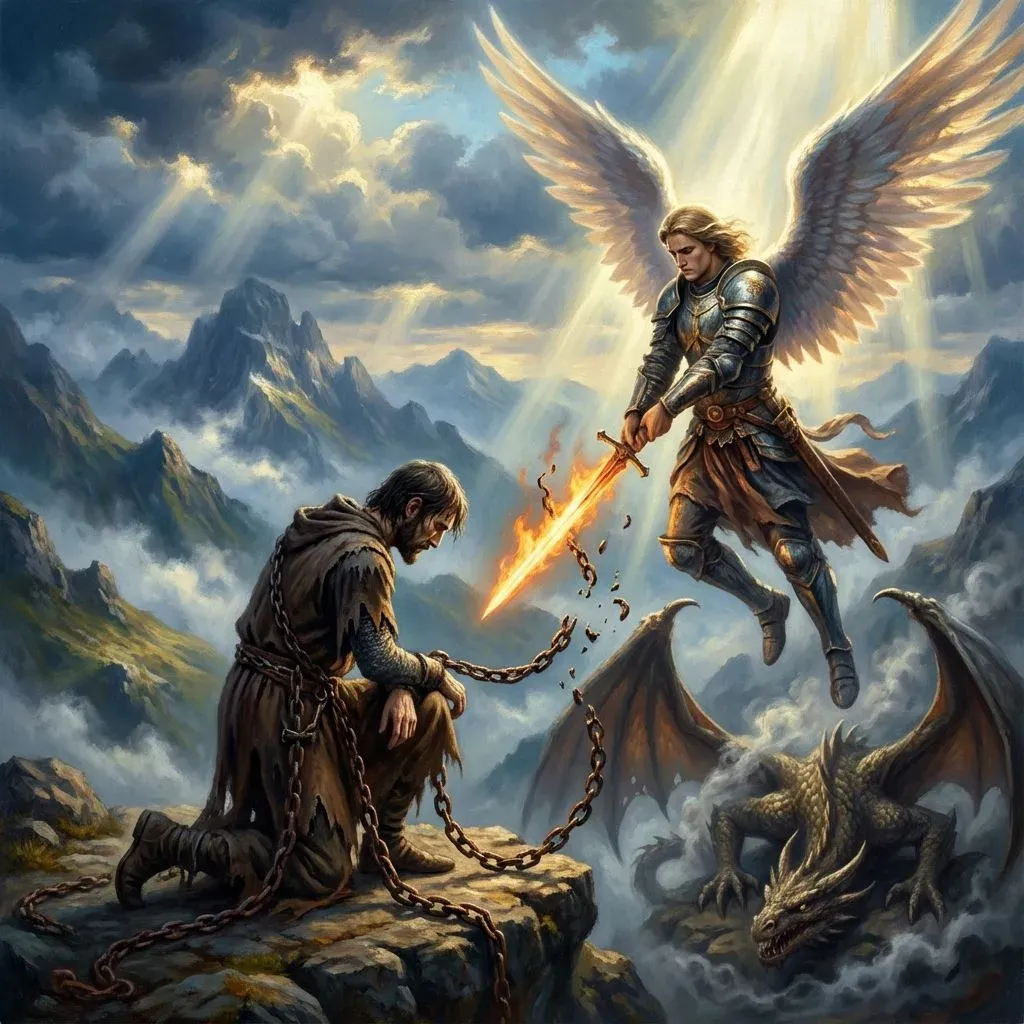
The Navarrese knight who, deceived by the devil, committed parricide and wandered in chains until Saint Michael freed him at Aralar.
— Gipuzkoa —
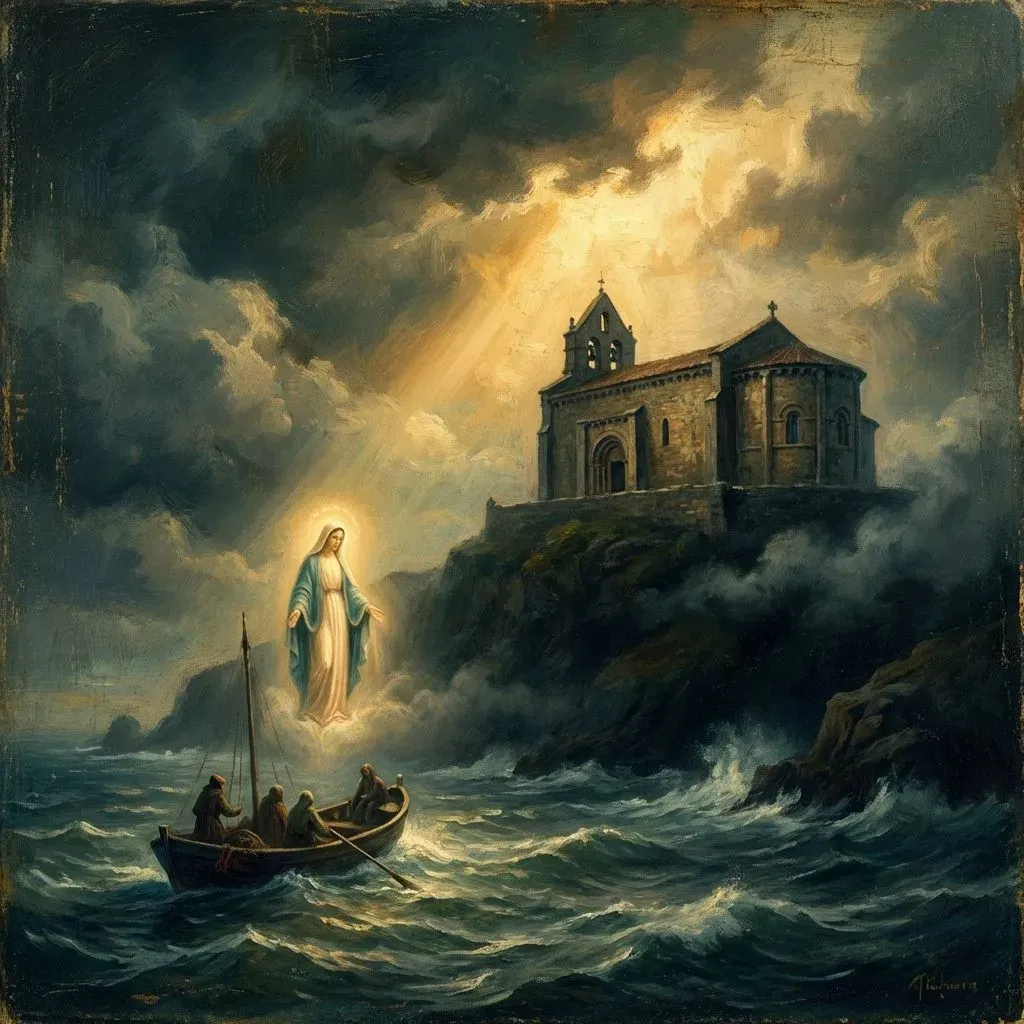
The sanctuary of Itziar stands on the heights overlooking the Gipuzkoan coast, offering one of the most spectacular panoramas of the Basque shoreline. Dedicated to the Virgin of Itziar, this church has long been a landmark where sea, devotion and frontier landscape meet.
The image of the Virgin of Itziar, a Gothic carving from the thirteenth century, has been especially venerated by fishermen and sailors. According to tradition, the Virgin protects those who go to sea and guides vessels in moments of danger, making the shrine a key point of maritime devotion.
The present church, rebuilt in the sixteenth century, preserves Gothic elements of notable beauty. Its privileged position above the bay of Deba and the flysch cliffs has made the sanctuary both a spiritual reference point and a lookout over one of the most striking coastal landscapes in Gipuzkoa.
The path that climbs from Deba to Itziar is one of the most frequented stretches by pilgrims on the Northern Camino. Reaching the sanctuary, with its views over the sea and the coast, is the reward for a route where devotion, landscape and Atlantic horizon come together.
The Navarrese knight who, deceived by the devil, committed parricide and wandered in chains until Saint Michael freed him at Aralar.
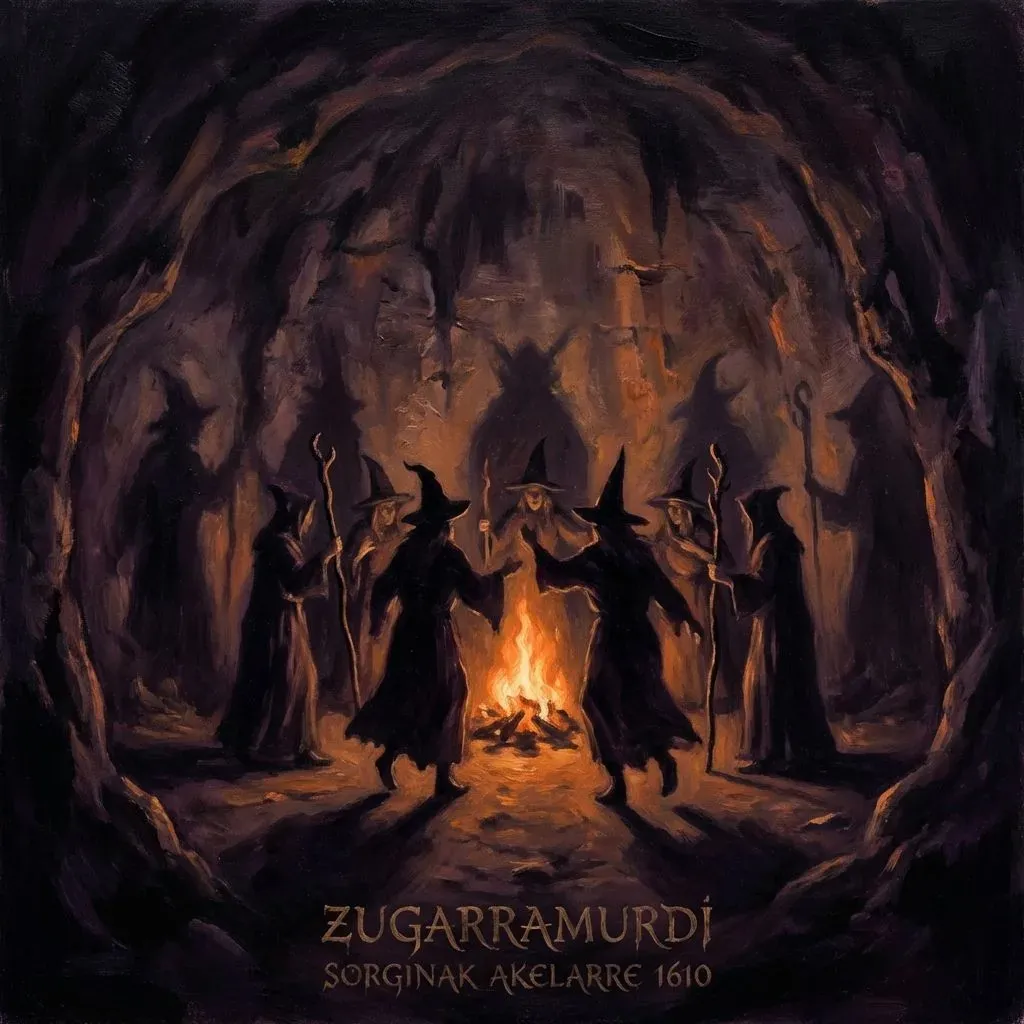
The famous inquisitorial trial of 1610 against the Navarrese witches who held akelarres in the sacred cave.
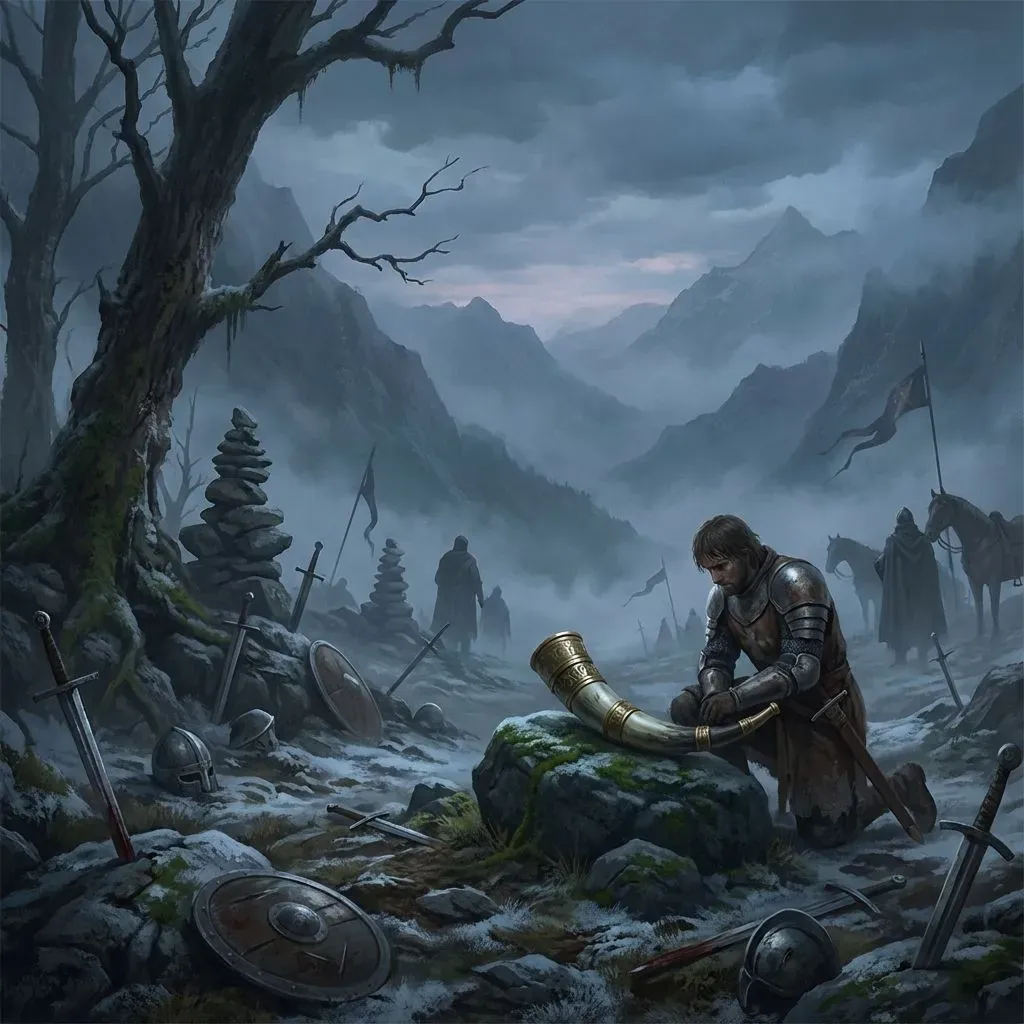
The Basque ambush against Charlemagne's army in the Pyrenean pass where the legendary Roland fell.

The shaggy giant who lives in the forests, protector of flocks and guardian of the secrets of agriculture and the forge.

Seductive nymphs who dwell in rivers and springs, recognisable by bird feet or fish tails, combing their hair with golden combs.
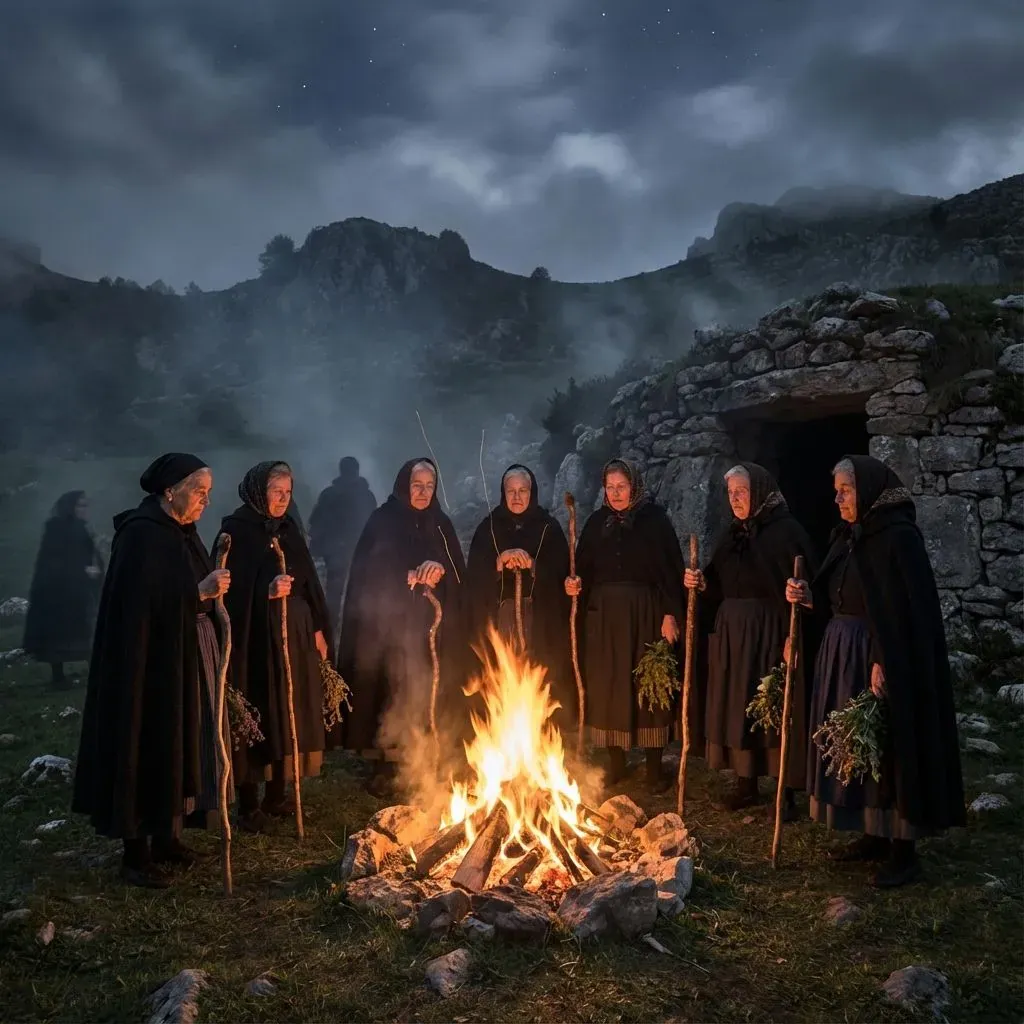
The Basque witches and wise women, priestesses of Mari who mastered potions, curses and the art of flying through the night sky.
Our Lady of Itziar sanctuary, above Deba on the mountain of the same name, is a major Gipuzkoan Marian pilgrimage centre. Its thirteenth-century Romanesque Virgin is among the Basque Country’s oldest and most venerated images. Documented pilgrimages from around the Bay of Biscay extend back at least eight centuries.
Standing over two hundred metres above the sea with direct Cantabrian views, the sanctuary became a landmark for sailors from its foundation. Offerings covering the chapel of the Blessed Sacrament, many recalling survival at sea, form a visual archive of Marian devotion and the dangerous lives of Basque fishermen.
Itziar sanctuary also lies on the coastal Basque Way of St James between Deba and Zumaia. This spectacular stretch passes the sanctuary and flysch cliffs, strongly expressing the maritime character of coastal Basque culture.
Deba itself, with traces of its original walled medieval town and a beach at the river mouth, is worth exploring. It perfectly complements a visit to the mountain sanctuary overlooking it.