Teodosius of Goñi
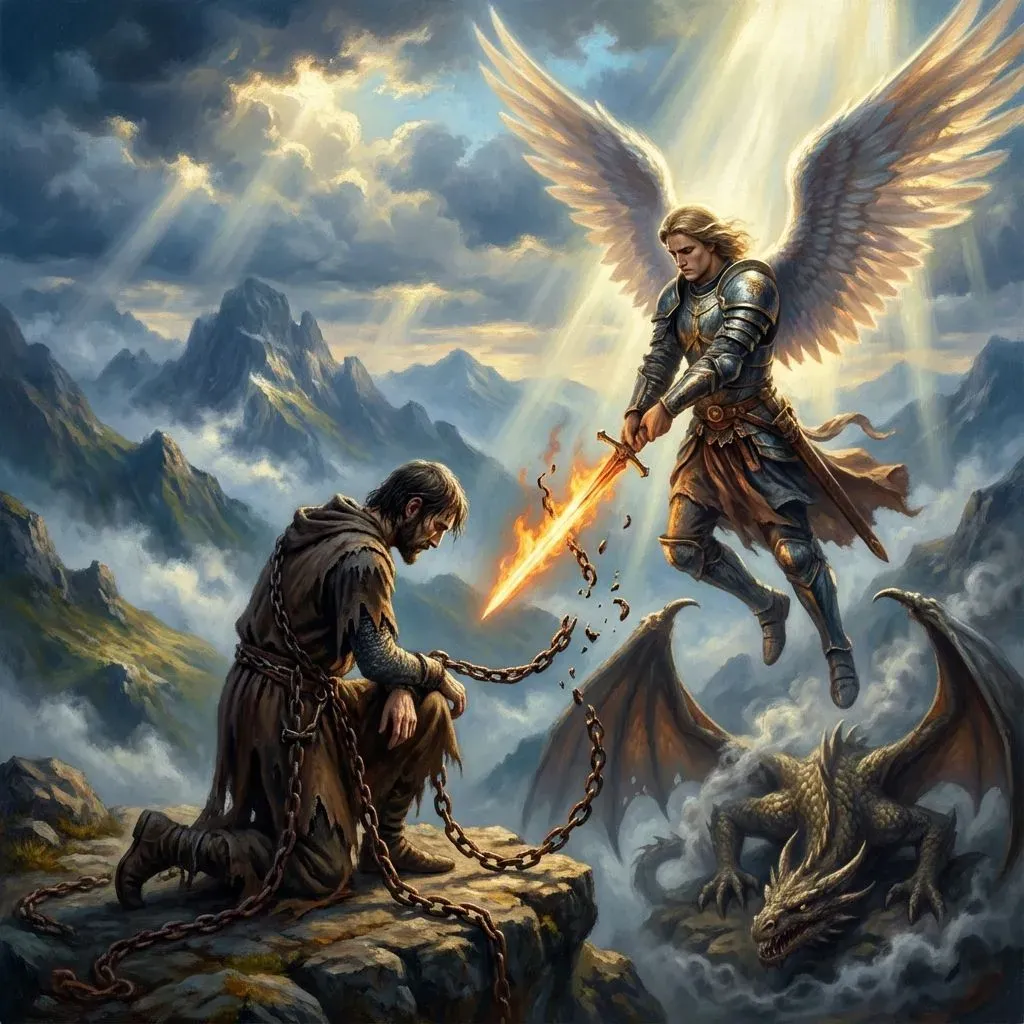
The Navarrese knight who, deceived by the devil, committed parricide and wandered in chains until Saint Michael freed him at Aralar.
— Nafarroa —
Zubieta is a small Navarrese village in the Malerreka valley which, together with nearby Ituren, guards one of the oldest ritual traditions in the Basque Country: the procession of the Joaldunak. In this setting, carnival is less spectacle than inherited act of collective memory.
The joaldunak of Zubieta walk through the village in silence, sounding their heavy bells in a ritual intended to drive away evil spirits and awaken the land from winter sleep. Their sheepskins, conical hats and measured movement give the procession a striking archaic power.
The carnival of Zubieta and Ituren has been recognised by UNESCO as Intangible Cultural Heritage, a distinction that underlines the exceptional value of a tradition that still preserves the atmosphere of an ancient rite rather than that of a modern festival.
Outside carnival season, Zubieta is a peaceful village where time seems to move more slowly. Its stone farmhouses, traditional kitchen gardens and the murmur of the river invite visitors to discover a rural Navarrese landscape where ritual memory is still deeply alive.
The Navarrese knight who, deceived by the devil, committed parricide and wandered in chains until Saint Michael freed him at Aralar.
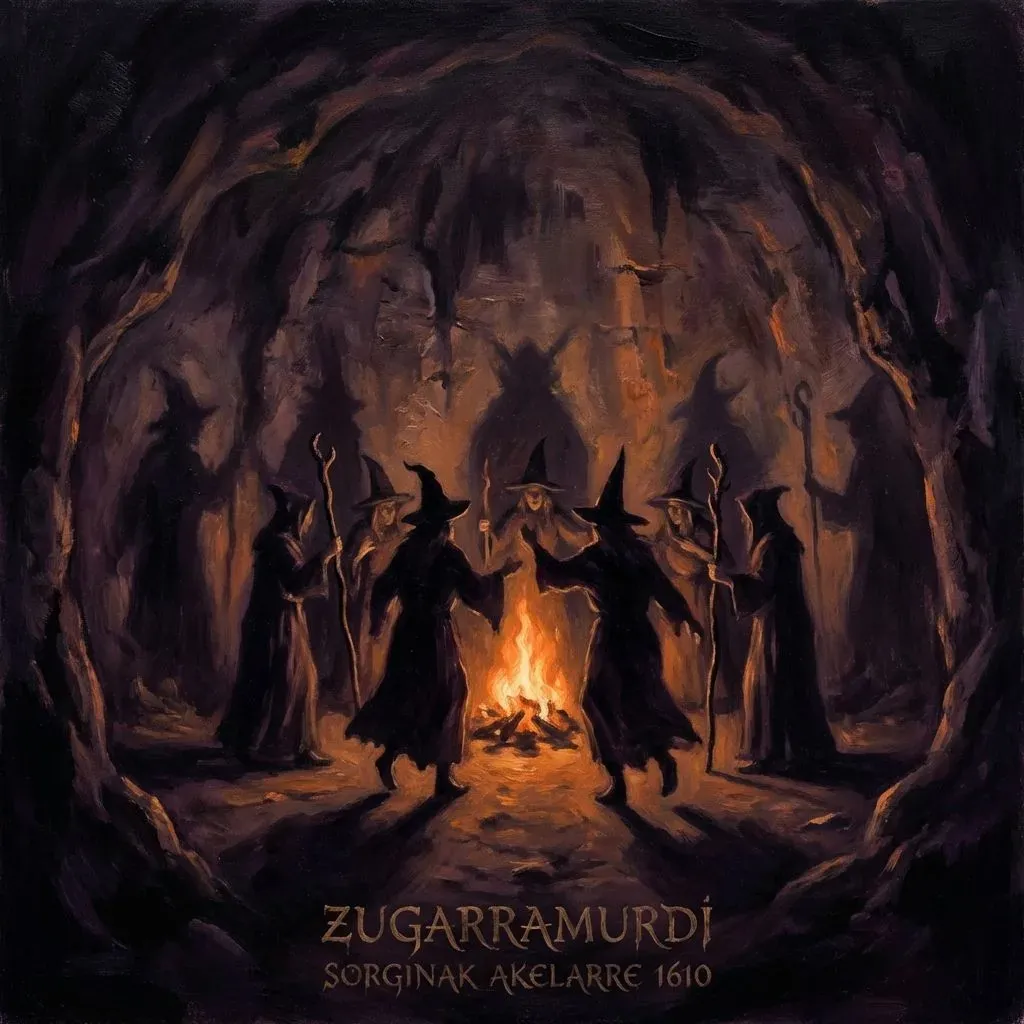
The famous inquisitorial trial of 1610 against the Navarrese witches who held akelarres in the sacred cave.
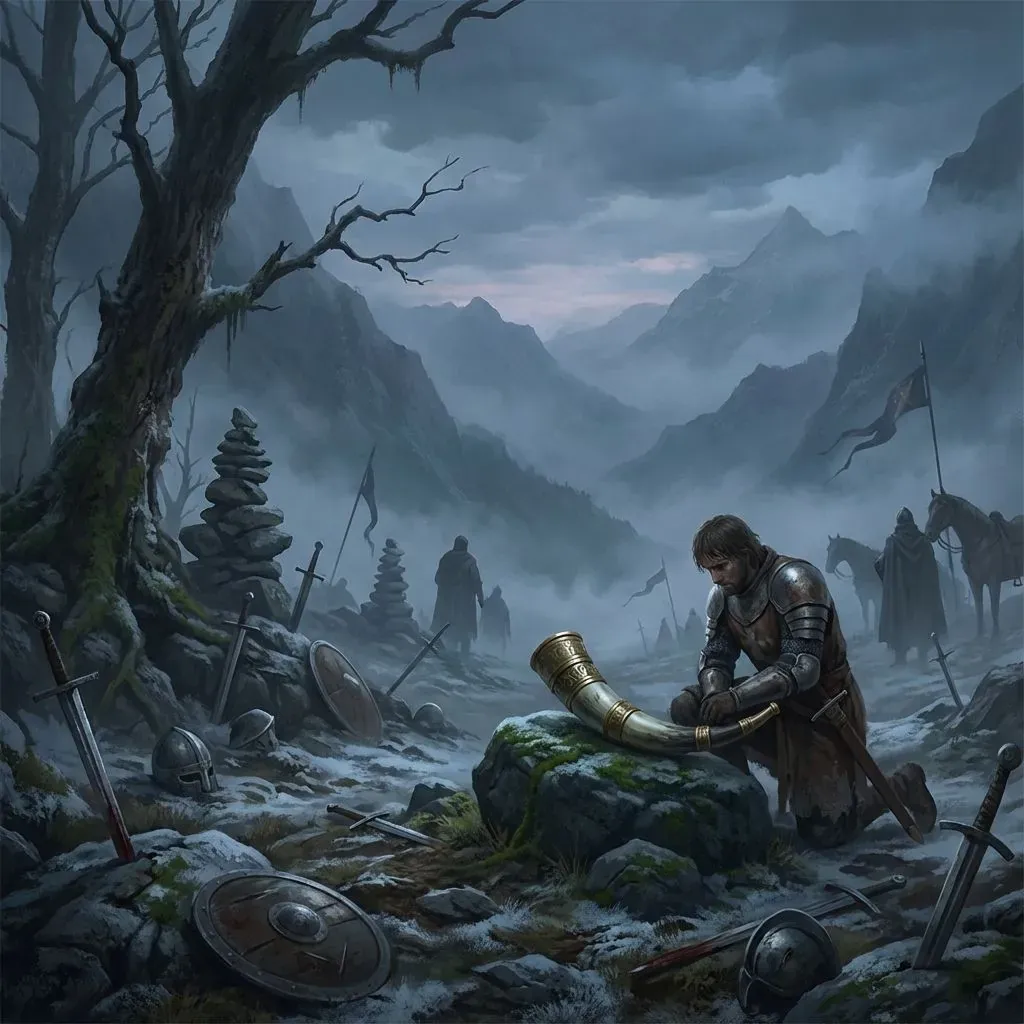
The Basque ambush against Charlemagne's army in the Pyrenean pass where the legendary Roland fell.
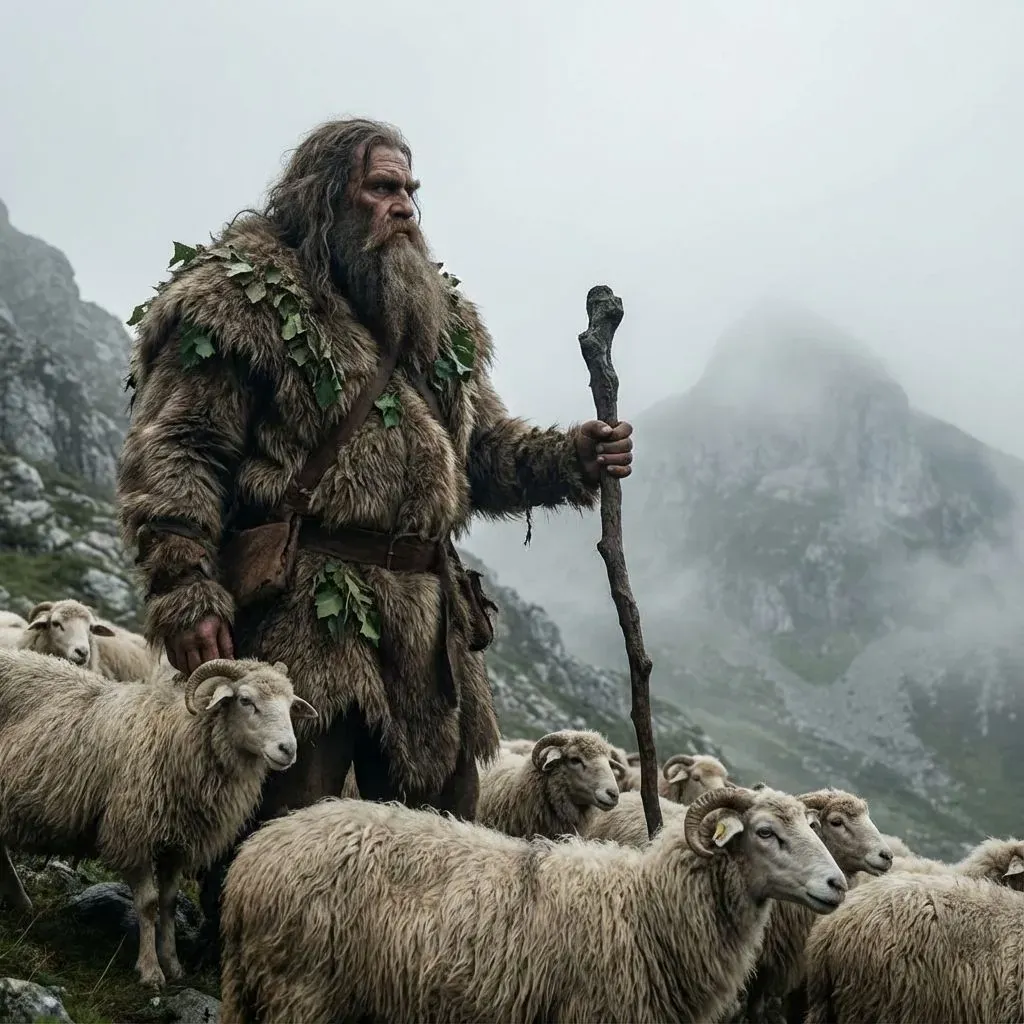
The shaggy giant who lives in the forests, protector of flocks and guardian of the secrets of agriculture and the forge.
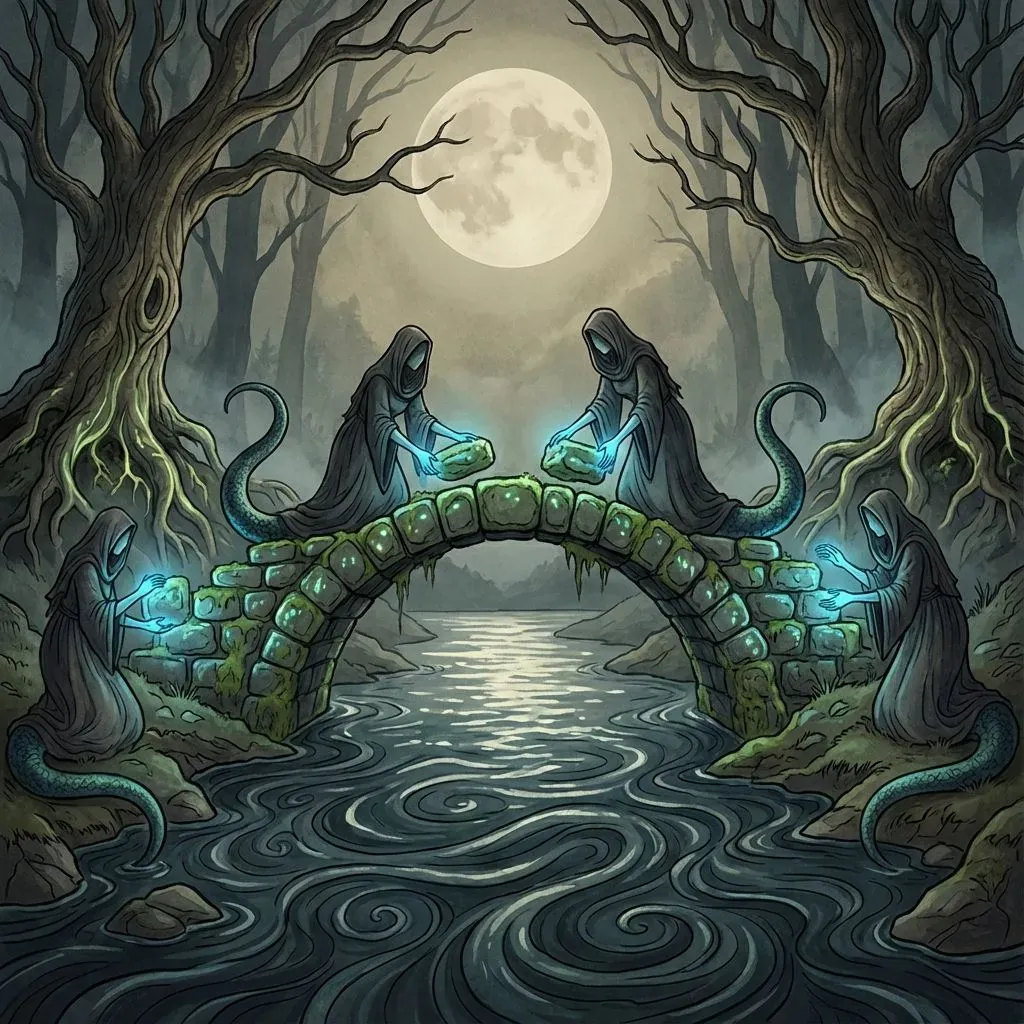
Seductive nymphs who dwell in rivers and springs, recognisable by bird feet or fish tails, combing their hair with golden combs.
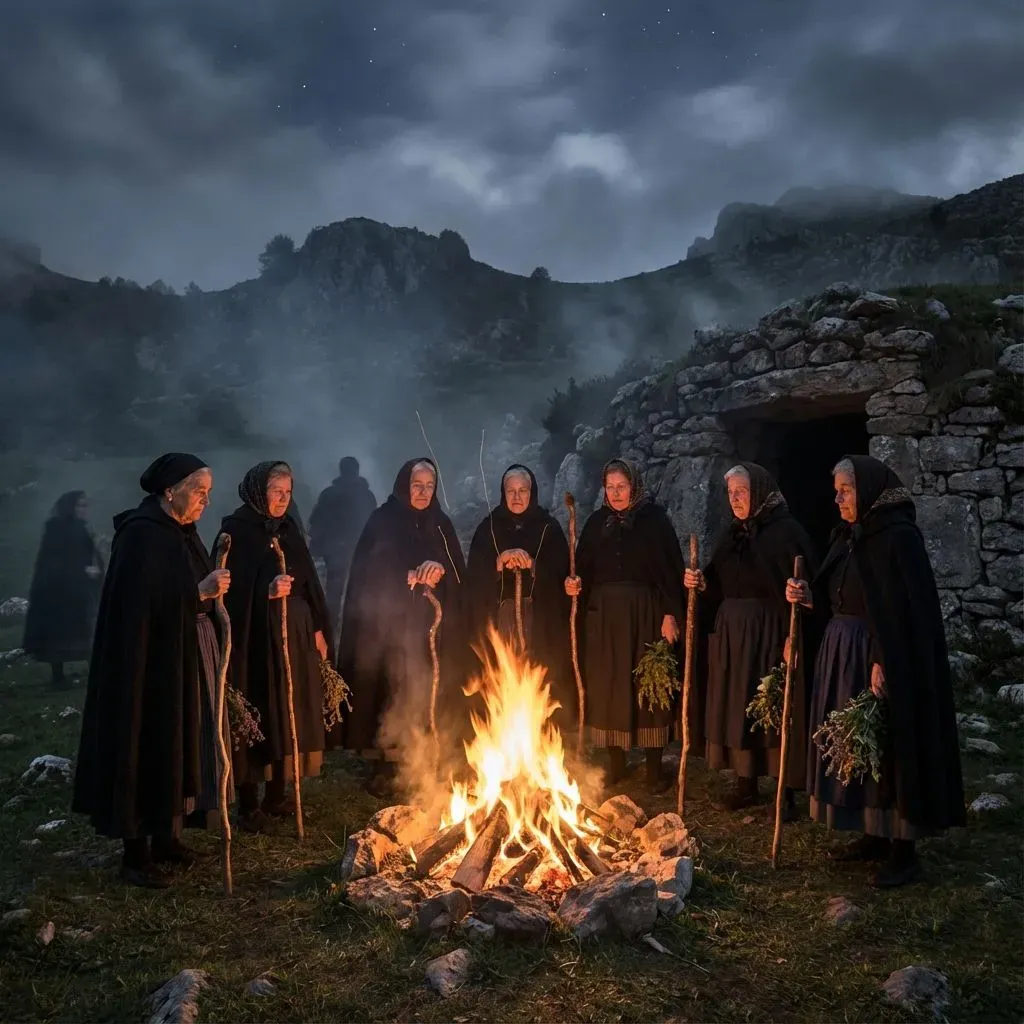
The Basque witches and wise women, priestesses of Mari who mastered potions, curses and the art of flying through the night sky.
Zubieta, Ituren’s neighbour and ritual partner in the Joaldunak carnival, is a small Bidasoa valley community best known for two days of transformation. Villagers wear sheepskins and enormous bells, processing between the villages in an event that is at once a purification rite, artistic performance and declaration of collective cultural identity.
Zubieta and Ituren’s reciprocal carnival, with both villages’ Joaldunak performing together on consecutive January days, expresses a community extending beyond individual settlements. Both must take part for the ritual to be complete, creating solidarity that continues beyond carnival itself.
The Joaldunak’s rhythmic movements produce a mass of sound with effects beyond hearing. The vibration is felt in the body, and hours following the procession can become almost hypnotic. Neither photography nor video fully captures the experience.
Ethnologists studying Zubieta and Ituren’s carnival note similarities to European winter processions in which ancestors temporarily return among the living at seasonal transitions. The Joaldunak’s disguising skins and head coverings transform familiar villagers into figures of another order, supporting this interpretation.