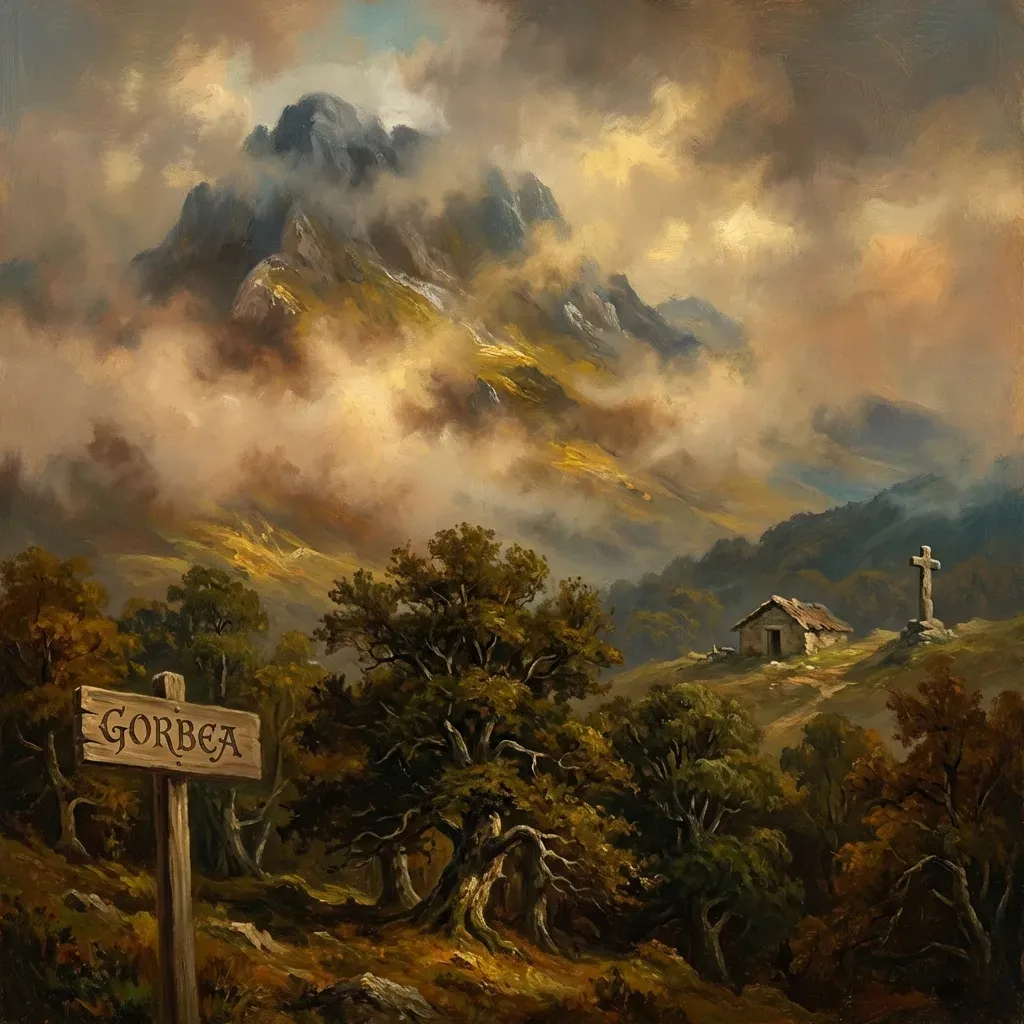
Teodosius of Goñi
The Navarrese knight who, deceived by the devil, committed parricide and wandered in chains until Saint Michael freed him at Aralar.
— Nafarroa Beherea —
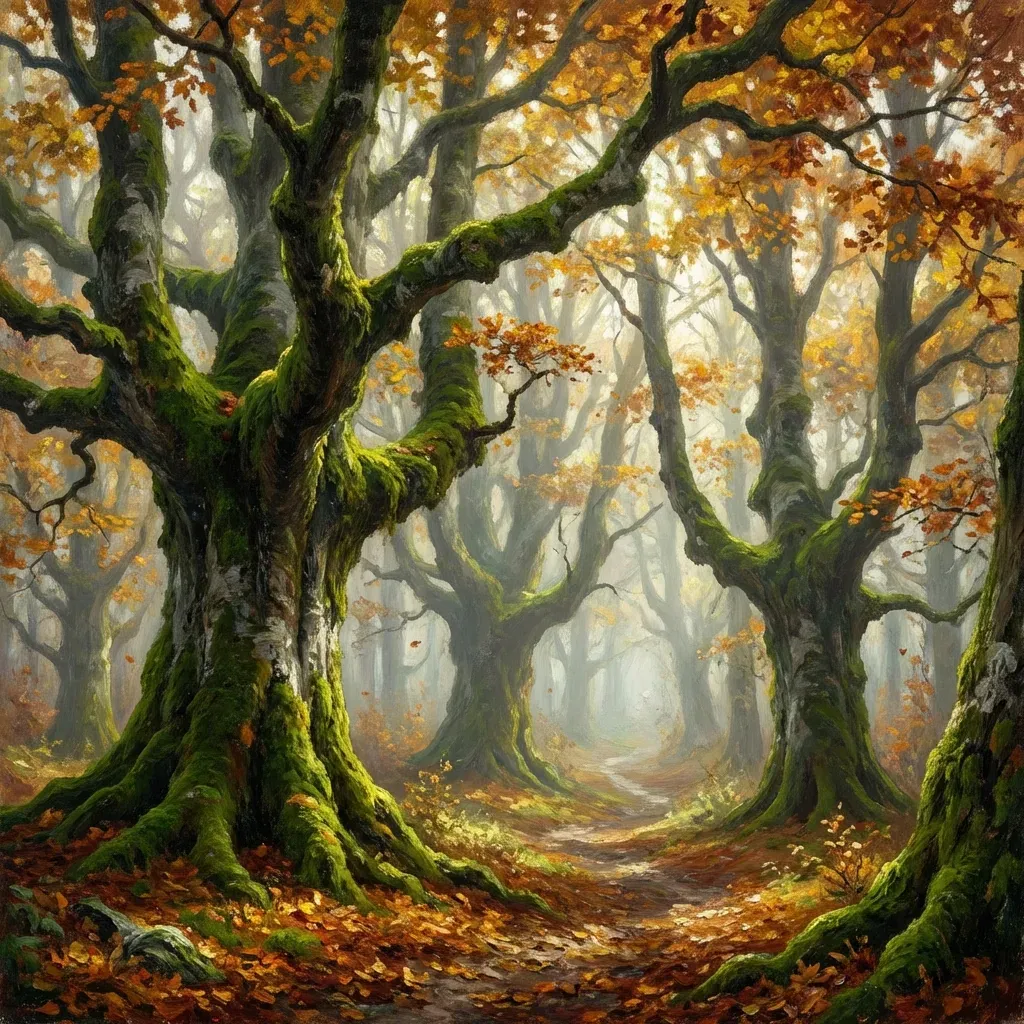
The Okabe cromlech is one of the most significant stone circles in the Basque Country, located in the highlands of French Lower Navarre, near the pass of Organbide. The site stands within an open pastoral landscape where archaeology, mountain routes and ancestral memory meet.
Basque cromlechs, known in Euskara as baratzak, are circles of standing stones that mark small funerary mounds. Beneath them, the ashes of the dead were deposited, making these monuments essential testimony to prehistoric ritual and the symbolic organisation of the landscape.
The pass of Okabe and its surroundings contain several of these monuments, forming a necropolis used over many centuries. Shepherds still crossing these uplands today reinforce the feeling that this is a territory where the living and the memory of the dead have long shared the same mountain ground.
Visiting the Okabe stone circles takes you into a high Pyrenean landscape where archaeological heritage blends with remarkable natural beauty. Views over the surrounding valleys and snow-covered peaks complete an experience combining history and nature.
The Navarrese knight who, deceived by the devil, committed parricide and wandered in chains until Saint Michael freed him at Aralar.
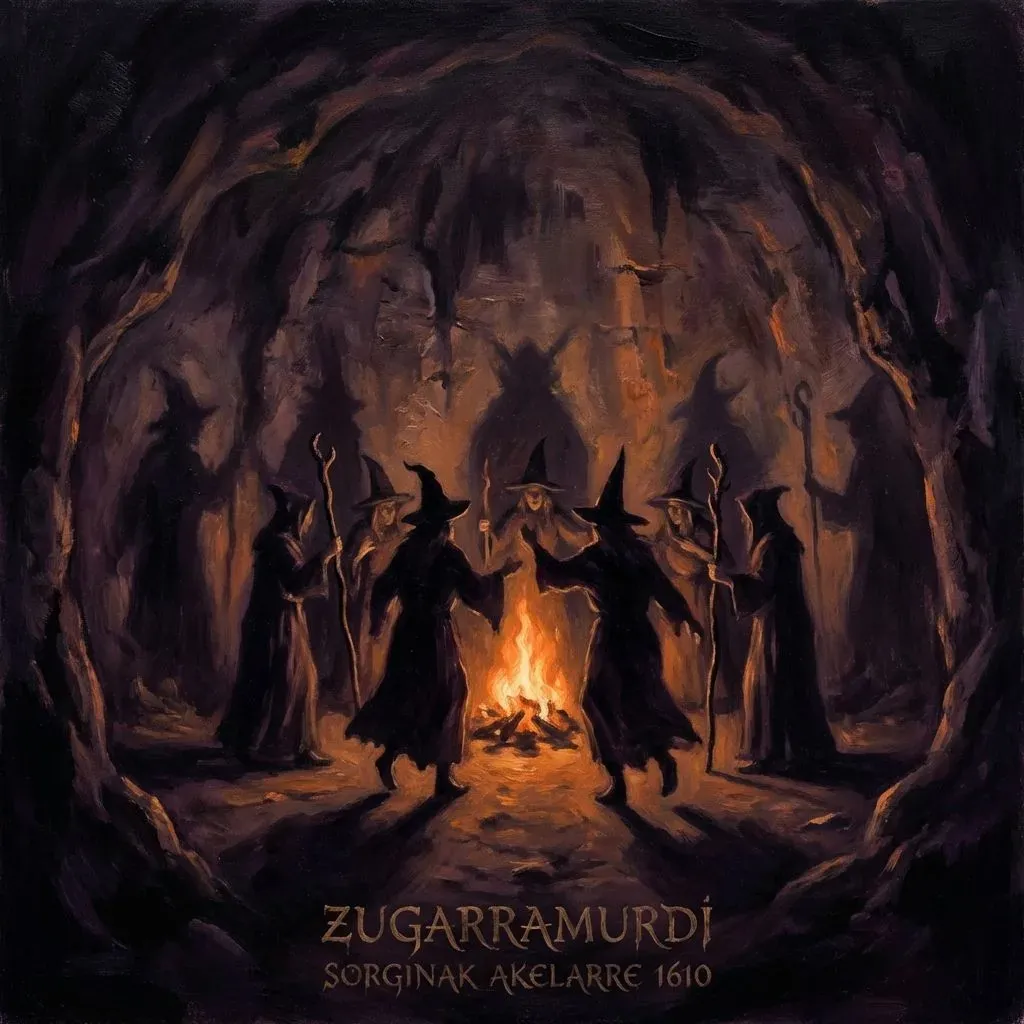
The famous inquisitorial trial of 1610 against the Navarrese witches who held akelarres in the sacred cave.
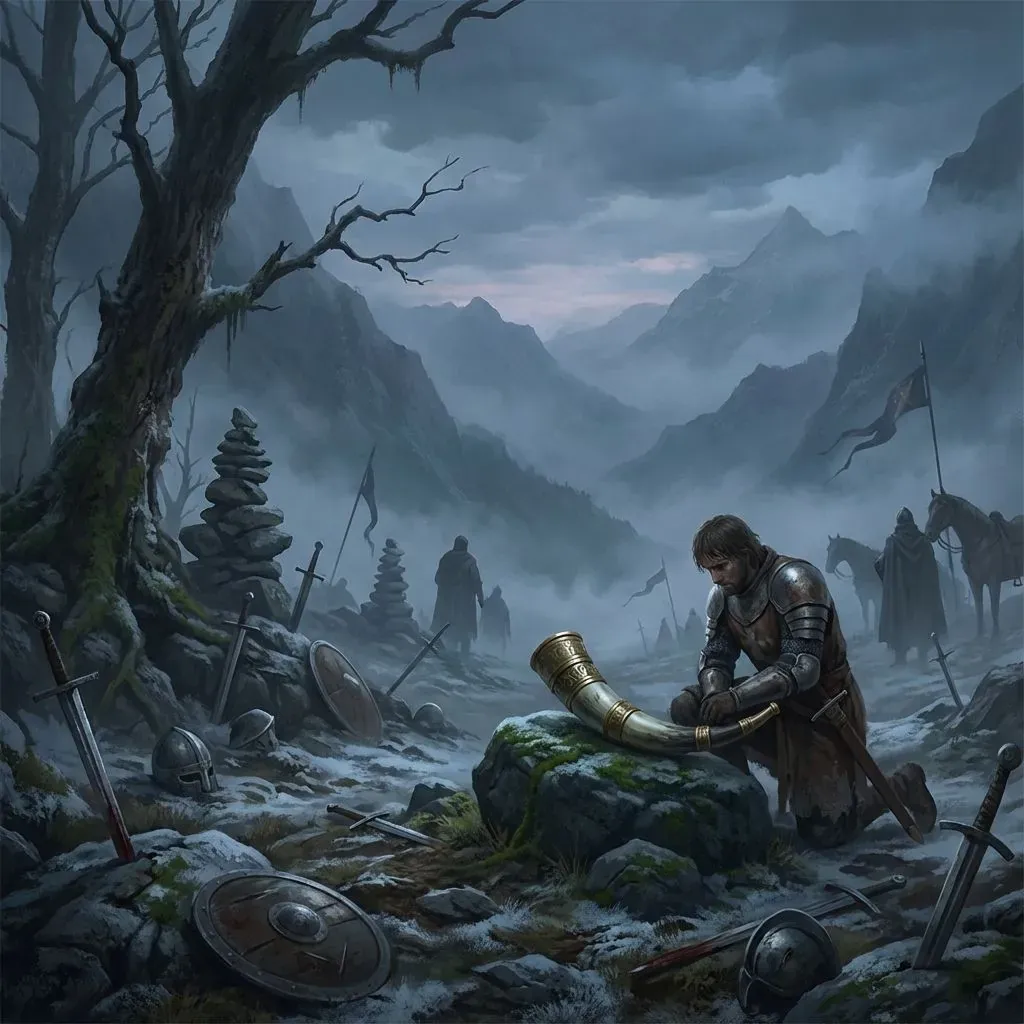
The Basque ambush against Charlemagne's army in the Pyrenean pass where the legendary Roland fell.

The shaggy giant who lives in the forests, protector of flocks and guardian of the secrets of agriculture and the forge.

Seductive nymphs who dwell in rivers and springs, recognisable by bird feet or fish tails, combing their hair with golden combs.
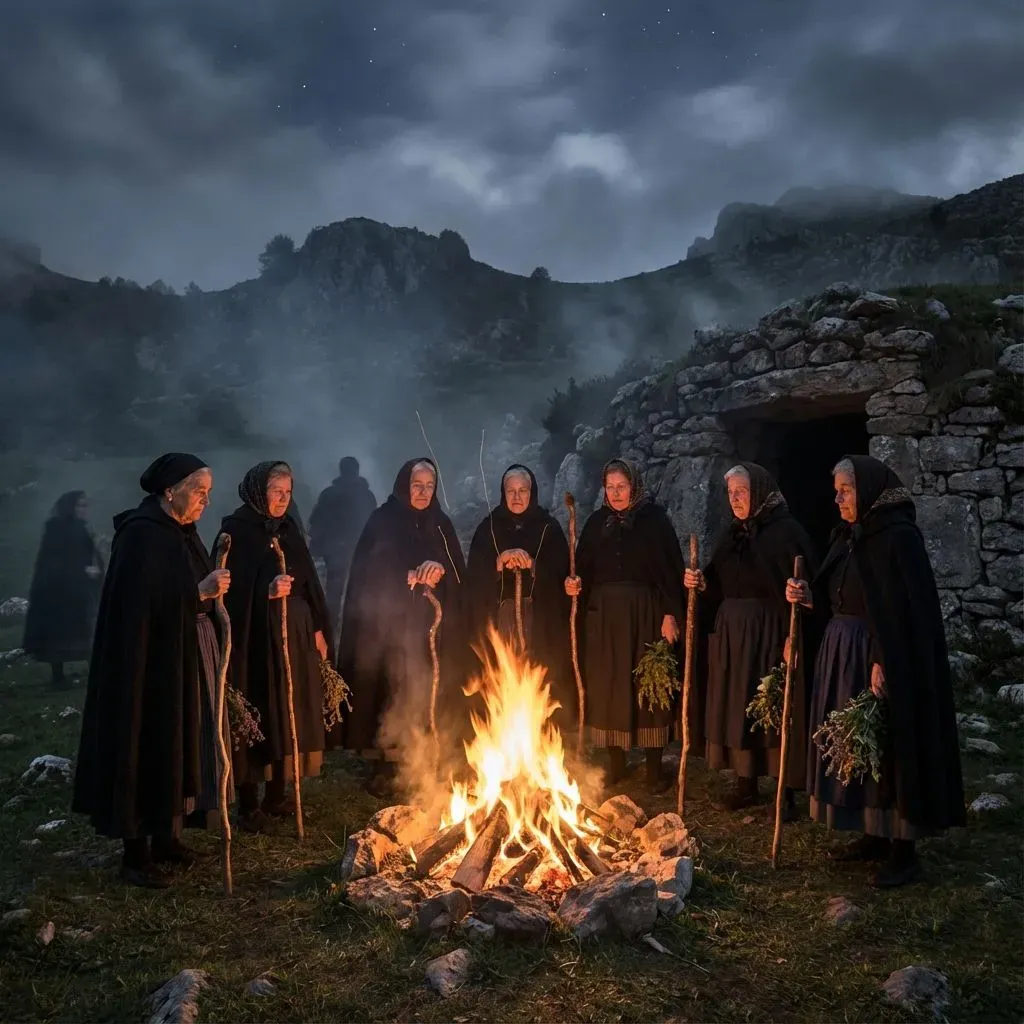
The Basque witches and wise women, priestesses of Mari who mastered potions, curses and the art of flying through the night sky.
Mount Okabe, in the heart of the French Basque Country between Orhi and Larrun, holds one of the western Pyrenees’ densest concentrations of megalithic monuments in its upland pastures. Stone circles dating from the Late Bronze Age to the Iron Age are scattered across ridges and passes in a pattern archaeologists have yet to explain fully.
Unlike Neolithic dolmens, whose use as collective tombs is well documented, Pyrenean stone circles remain open to interpretation. Cremation remains in some suggest a funerary purpose, but their varied shapes and sizes, and examples containing no human remains, point to multiple functions, possibly including seasonal rituals and the marking of grazing territories.
Okabe’s megalithic landscape is especially evocative because the stones remain in the transhumant pastoral setting for which they were probably erected three thousand years ago. Latxa sheep and pottok ponies still graze the same pastures that surrounded the circles in the Iron Age, creating a strangely comforting continuity of landscape.
The route to Okabe from the Larraun pass or from Orhi crosses one of the Atlantic Pyrenees’ most open, windswept landscapes. On clear days, views stretch from the Bay of Biscay to the central Pyrenees. The exceptional scenery and discreet but constant presence of megaliths make this one of the French Basque Country’s richest and least crowded walks.