Teodosius of Goñi
The Navarrese knight who, deceived by the devil, committed parricide and wandered in chains until Saint Michael freed him at Aralar.
— Gipuzkoa —
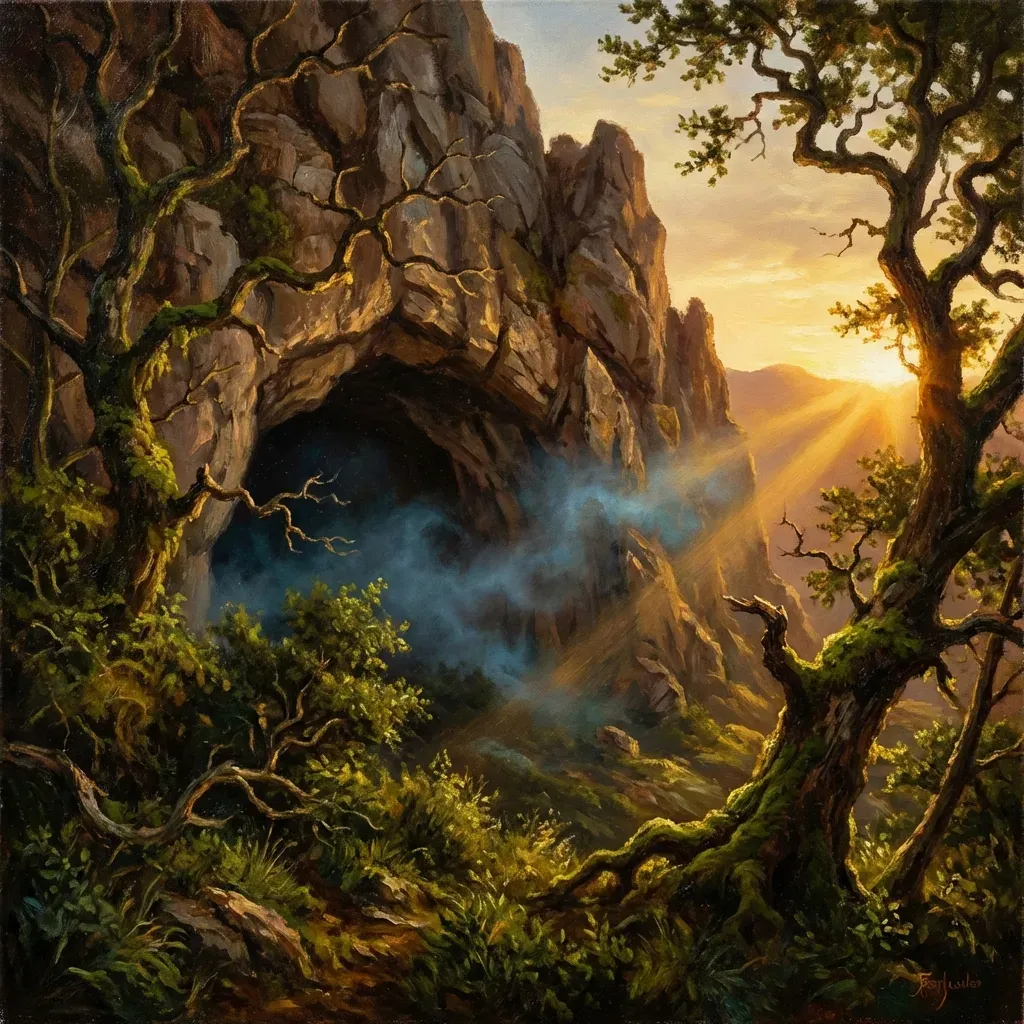
Lezetxiki Cave is one of the oldest archaeological sites in the Basque Country, with a sequence of human occupation stretching back more than three hundred thousand years. Located near Arrasate, it is one of the key places for understanding early human presence in the region.
The most celebrated discovery at Lezetxiki is a human humerus more than 164,000 years old, attributed to a pre-Neanderthal population. This fossil, together with stone tools and faunal remains, turned the cave into a major reference point for the study of European prehistory.
The cave preserves layers documenting different glacial and interglacial periods. Remains of woolly rhinoceros, mammoth, cave lion and other animals show how profoundly the surrounding landscape changed through time, making Lezetxiki both an archaeological archive and a record of vanished worlds.
Although the cave is closed to the public for conservation reasons, the nearby Arrasate Museum displays replicas of the main finds and detailed information about this exceptional site, which has greatly advanced understanding of our origins.
The Navarrese knight who, deceived by the devil, committed parricide and wandered in chains until Saint Michael freed him at Aralar.
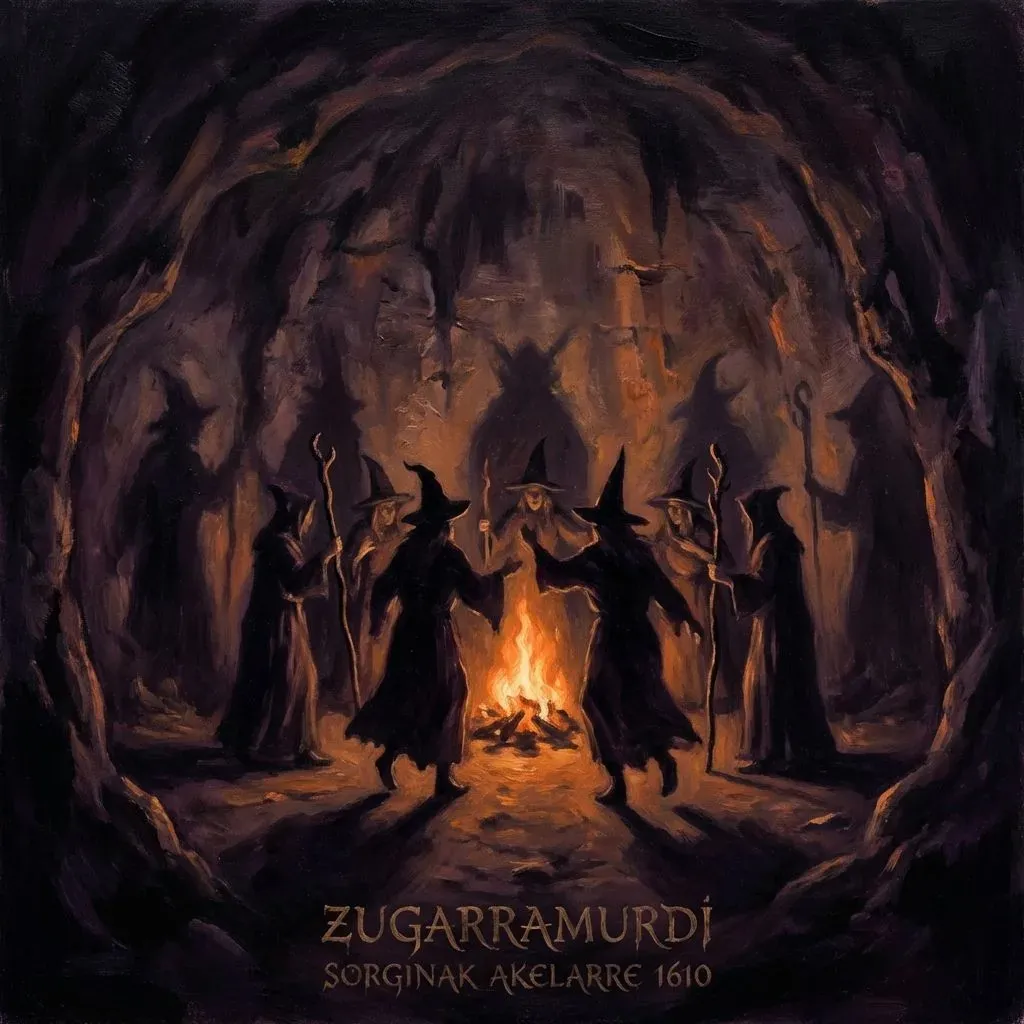
The famous inquisitorial trial of 1610 against the Navarrese witches who held akelarres in the sacred cave.
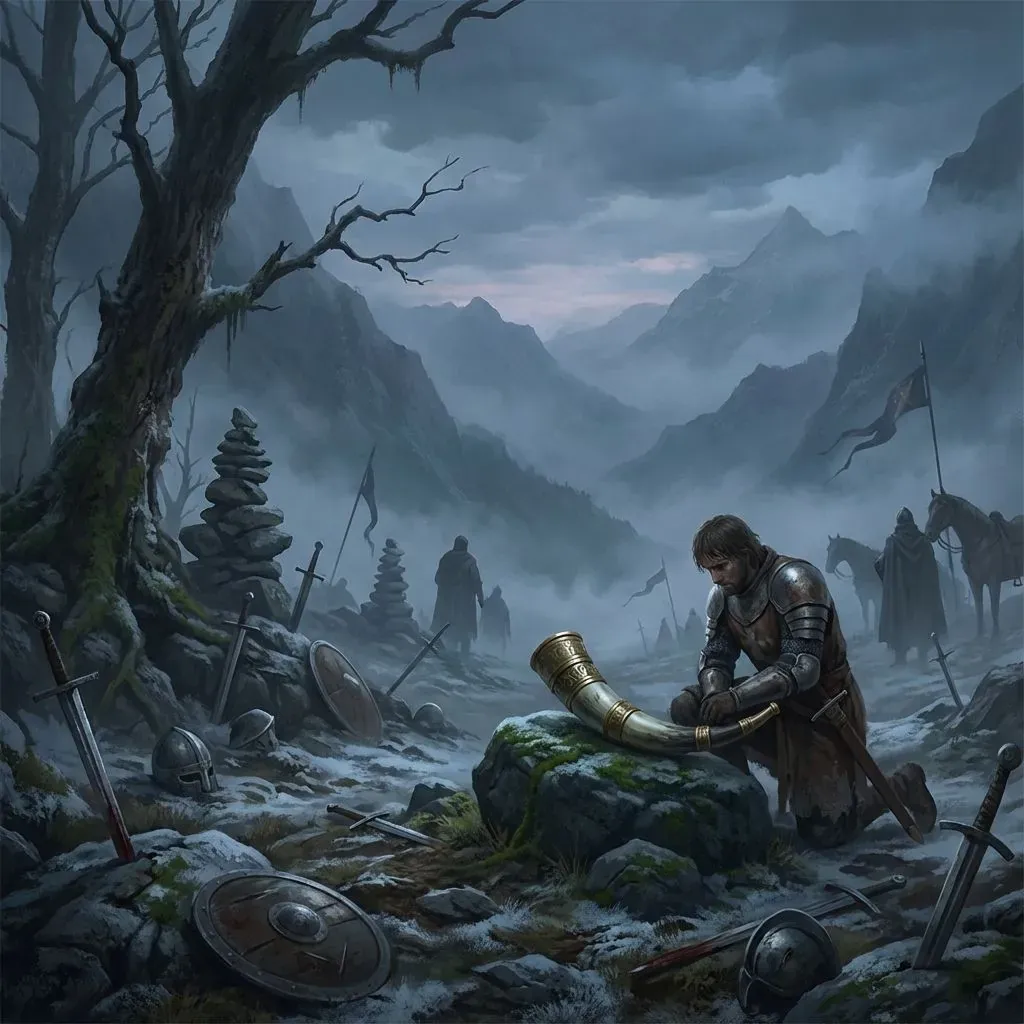
The Basque ambush against Charlemagne's army in the Pyrenean pass where the legendary Roland fell.
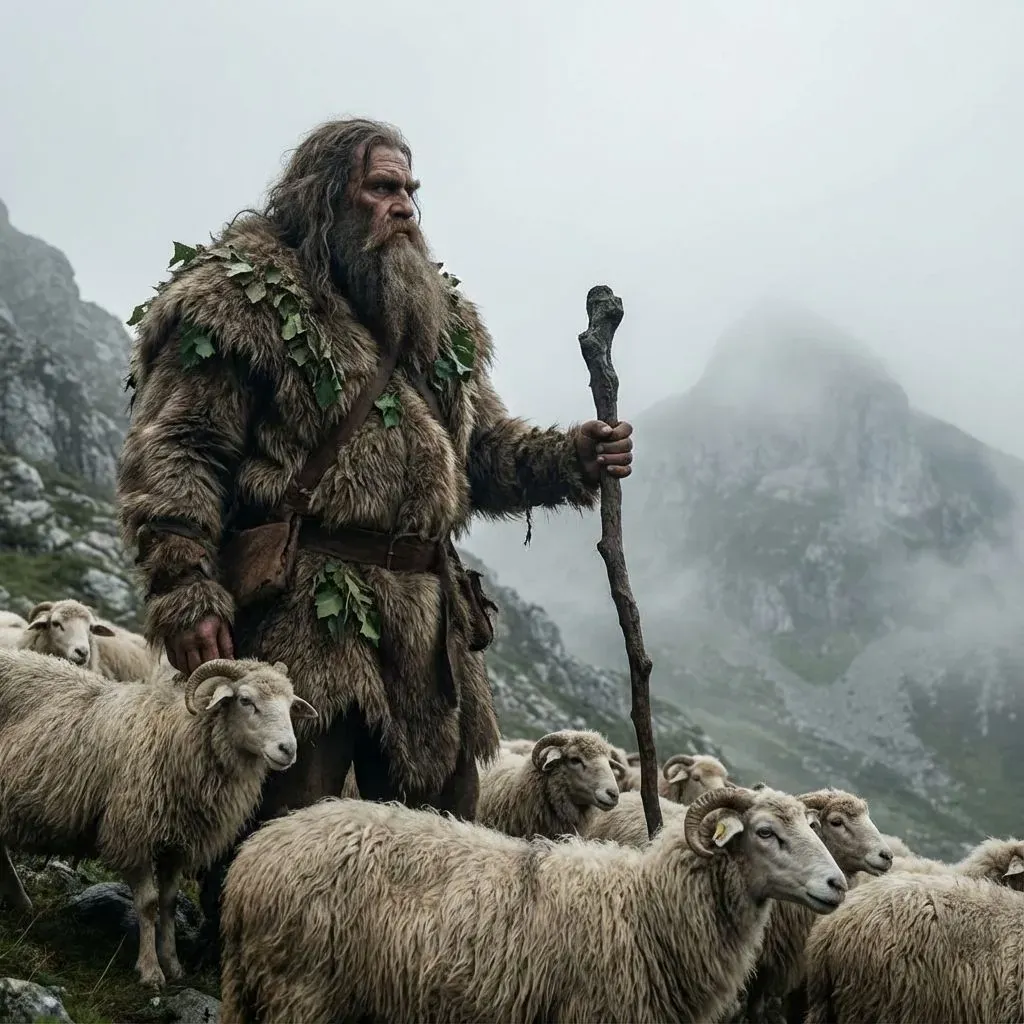
The shaggy giant who lives in the forests, protector of flocks and guardian of the secrets of agriculture and the forge.

Seductive nymphs who dwell in rivers and springs, recognisable by bird feet or fish tails, combing their hair with golden combs.
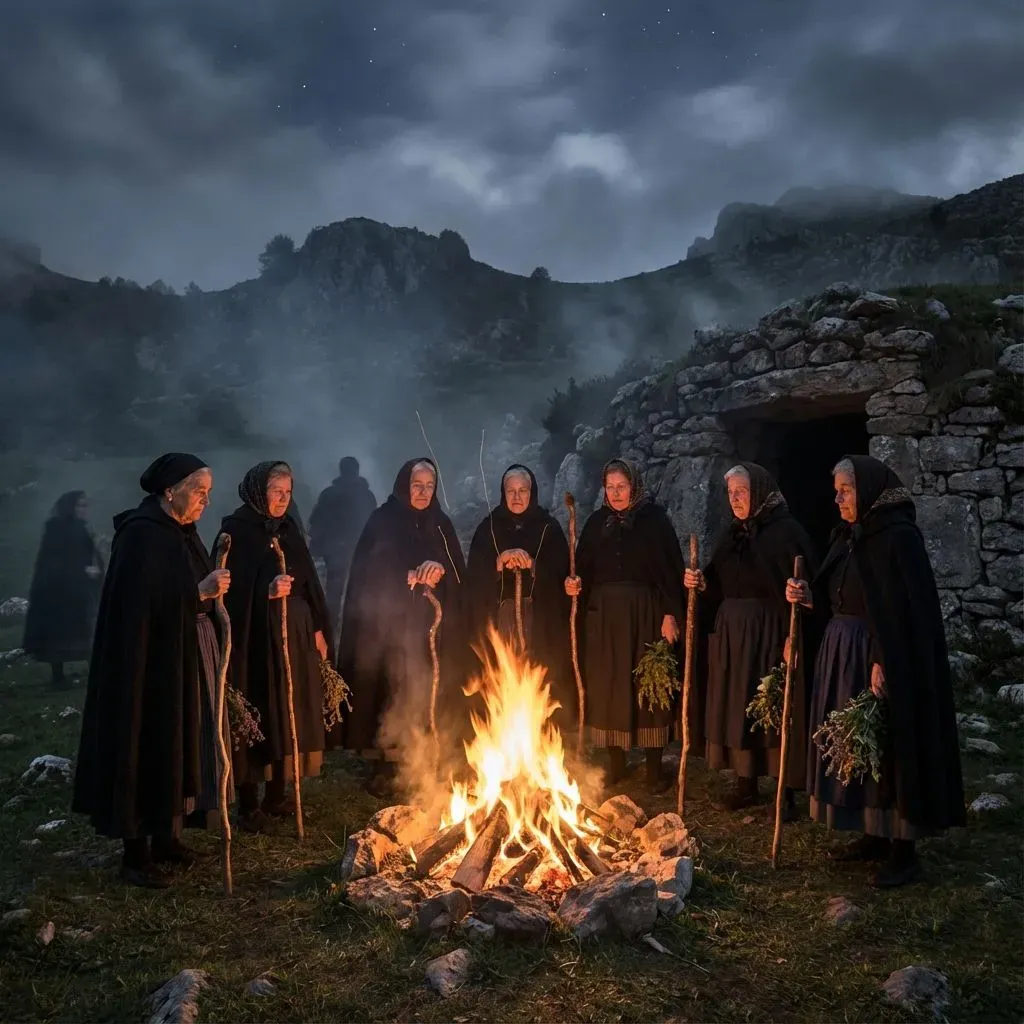
The Basque witches and wise women, priestesses of Mari who mastered potions, curses and the art of flying through the night sky.
Lezetxiki cave in Arrasate is one of the western Pyrenees’ most important palaeontological and archaeological sites. Excavations directed by José Miguel de Barandiarán between 1956 and 1968 revealed hominin and animal remains that help reconstruct 250,000 years of local history, spanning Homo heidelbergensis, Neanderthals and Homo sapiens.
A humerus attributed to Homo heidelbergensis, found in the cave’s deepest levels and dated to more than 140,000 years ago, made Lezetxiki one of the few Iberian sites where human presence can be traced to such a remote period. Stone tools and bones of extinct species, including steppe rhinoceros and straight-tusked elephant, were found alongside it.
Lezetxiki’s depth of time is hard to grasp on an everyday scale. Medieval Basque shepherds passing its entrance on the way to upland pastures unknowingly walked over sedimentary records of human presence stretching back a quarter of a million years. The cave seen in mythology as a gateway to the sacred underground world was also, literally, an archive of human history accessible only through archaeological excavation.
Lezetxiki is closed to general visitors for conservation reasons. Yet knowing it exists, and understanding its discoveries, adds temporal depth to the landscape around Arrasate: every walk across those hills becomes a journey over human history accumulated beneath your feet.