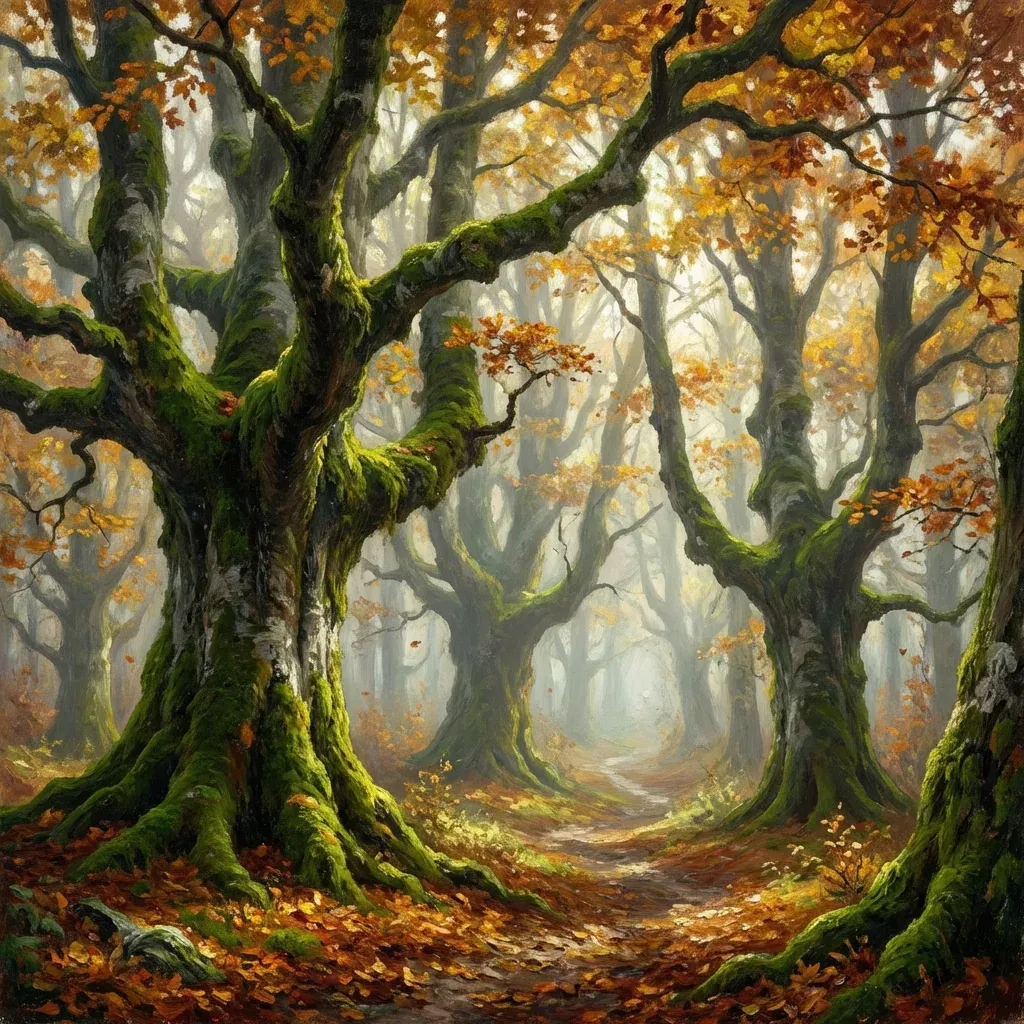
Teodosius of Goñi
The Navarrese knight who, deceived by the devil, committed parricide and wandered in chains until Saint Michael freed him at Aralar.
— Nafarroa —
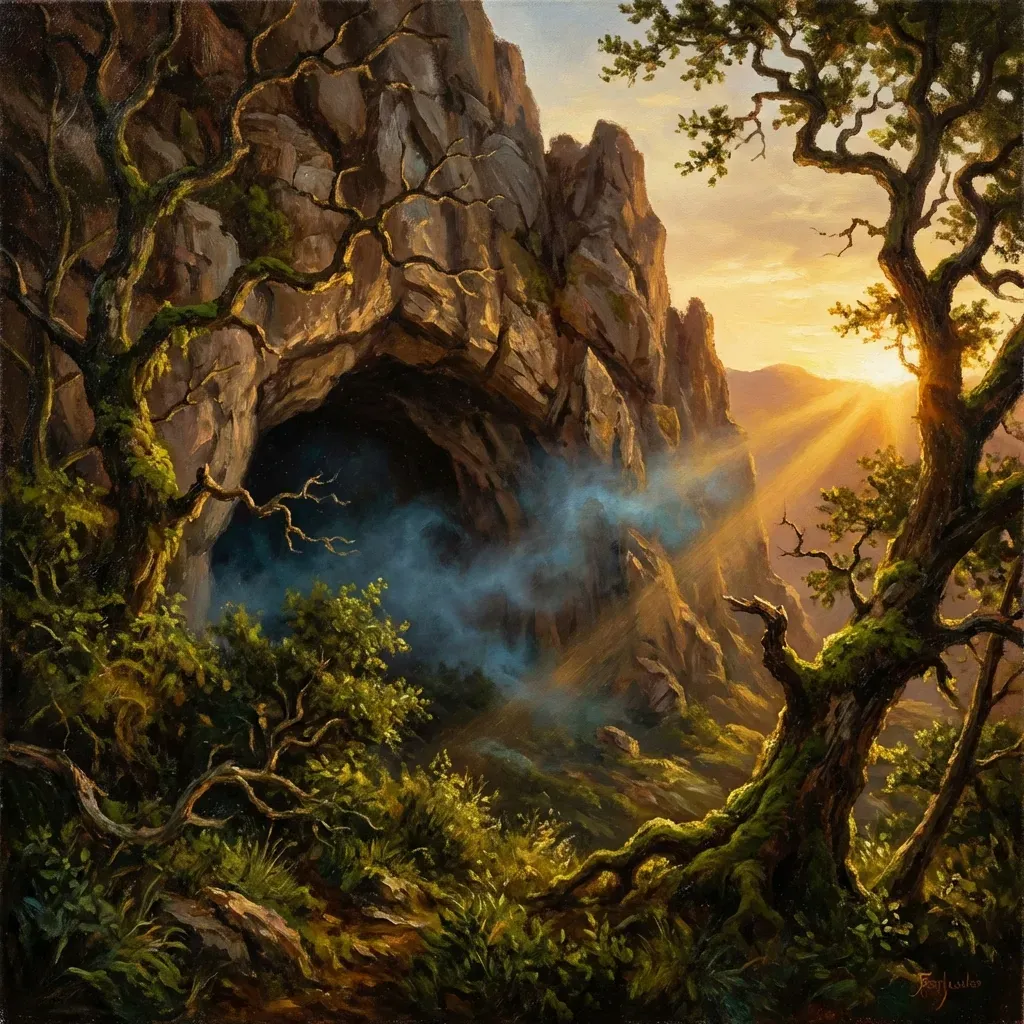
The caves of Urdazubi, known in Spanish as Urdax, form one of the most fascinating speleological sites in the Navarrese Pyrenees. Located beneath the historic monastery of San Salvador, they reveal a subterranean world where stone, water and silence shape a landscape of great symbolic power.
The tourist route leads into an underground realm where water still remains the main force. The principal galleries, with evocative names and dramatic limestone formations, show how the cave was slowly carved by the stream over thousands of years.
The close relationship between the caves and the monastery is no coincidence. Tradition says the monks used the grottos as places of meditation and spiritual retreat, and local storytelling wrapped the site in a halo of mystery shared with the nearby legendary territory of Zugarramurdi.
The surroundings of Urdazubi, in the heart of the Baztan area, add a special charm to the visit. The village preserves the beauty of traditional Navarrese architecture, with stone farmhouses and slate roofs, while the river and nearby woods reinforce the calm and hidden atmosphere of the site.
The Navarrese knight who, deceived by the devil, committed parricide and wandered in chains until Saint Michael freed him at Aralar.
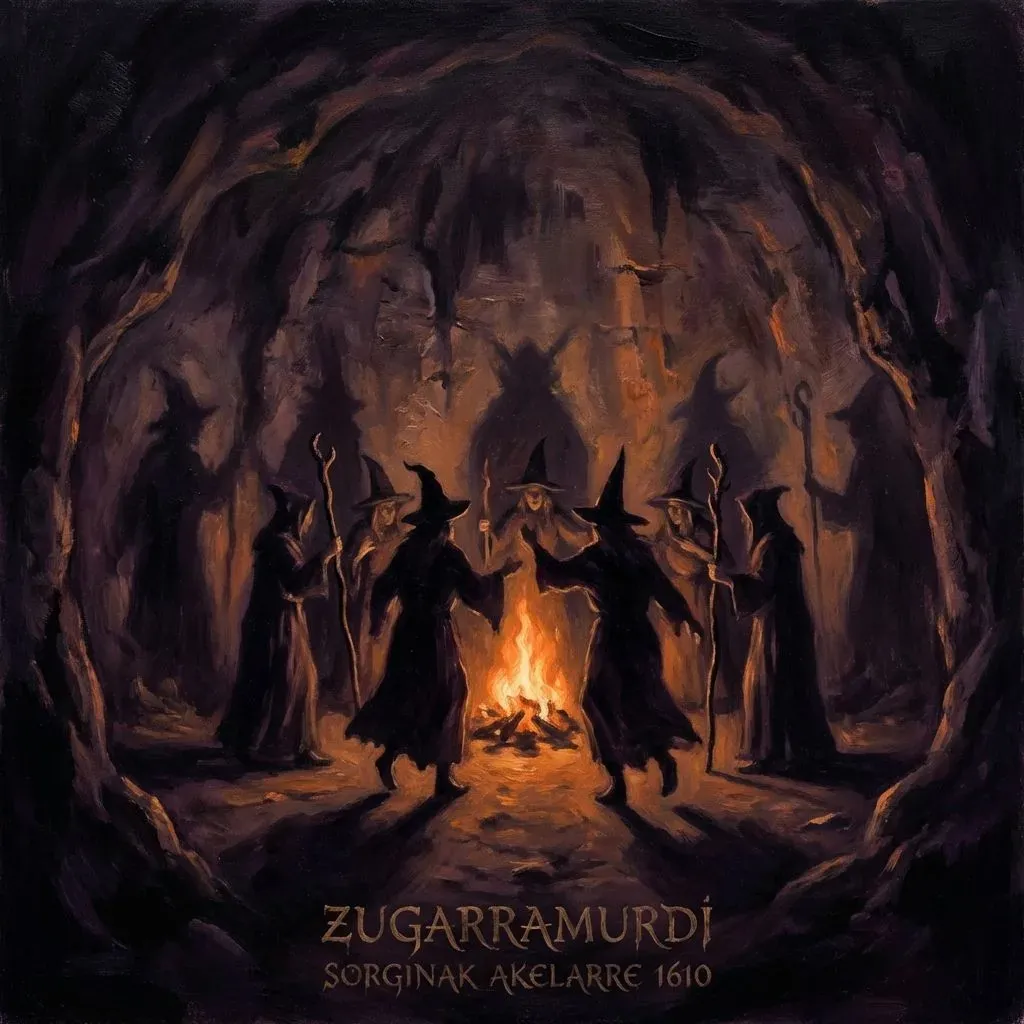
The famous inquisitorial trial of 1610 against the Navarrese witches who held akelarres in the sacred cave.
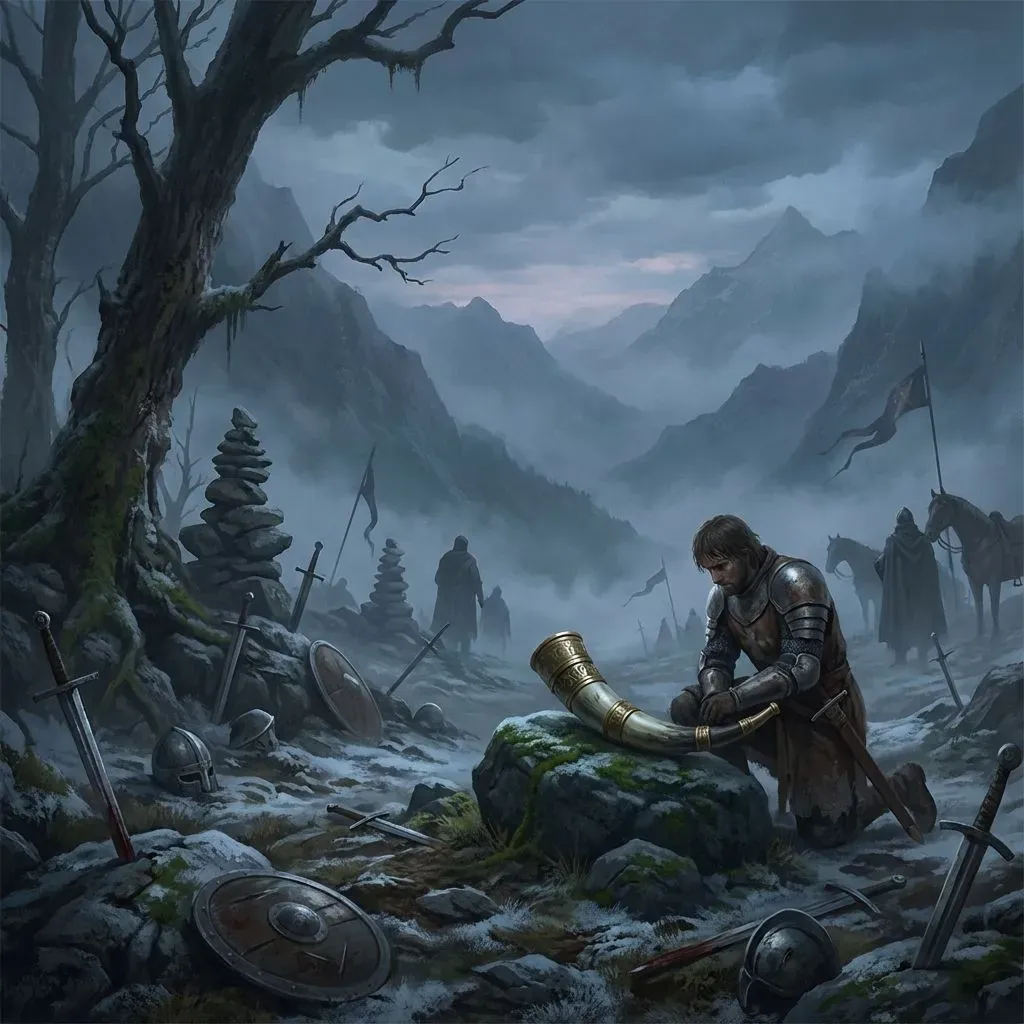
The Basque ambush against Charlemagne's army in the Pyrenean pass where the legendary Roland fell.
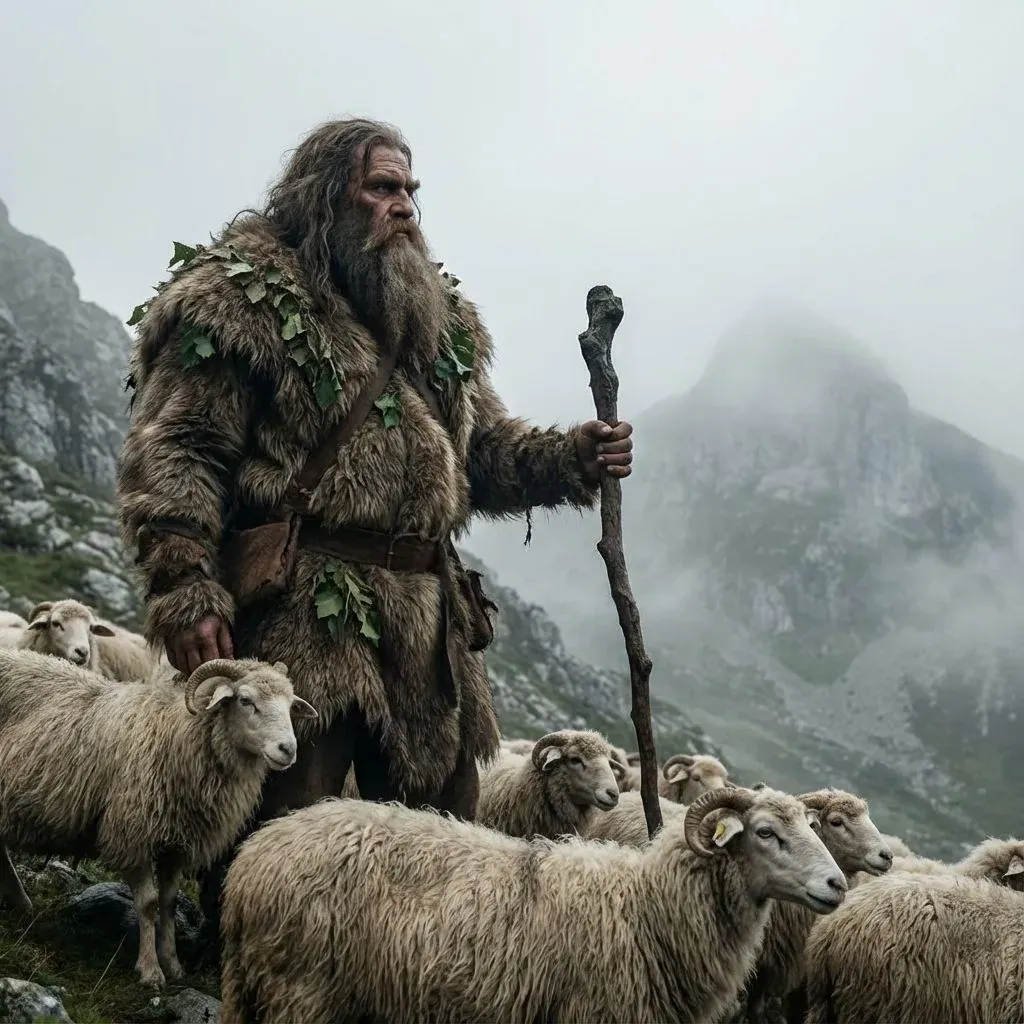
The shaggy giant who lives in the forests, protector of flocks and guardian of the secrets of agriculture and the forge.

Seductive nymphs who dwell in rivers and springs, recognisable by bird feet or fish tails, combing their hair with golden combs.
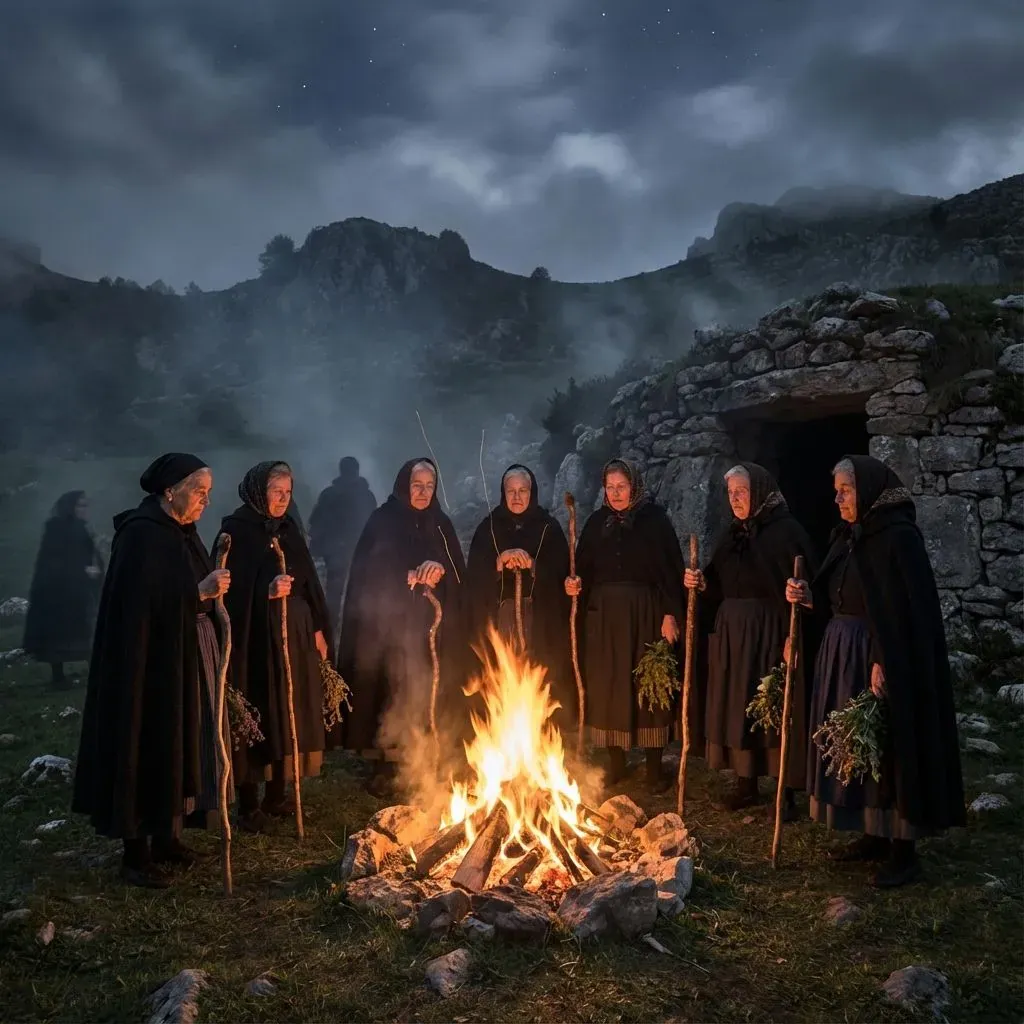
The Basque witches and wise women, priestesses of Mari who mastered potions, curses and the art of flying through the night sky.
Urdazubi, two kilometres from Zugarramurdi and close to the French Basque border, has a fascinating karst system that complements its neighbour’s famous caves. Here, in northwestern Navarre, the Pyrenees flatten into limestone hills before merging with Atlantic valleys, creating an area rich in natural cavities of every shape and size.
Archaeological finds confirm that people visited Urdazubi’s caves during the Palaeolithic, although the discoveries are less renowned than those of the region’s famous sites. For visitors, their main appeal lies in the landscape and folklore of an area unusually rich in traditions about witches, lamias and supernatural beings, even by the standards of Basque mythology.
The trail connecting Zugarramurdi and Urdazubi through northwestern Navarre’s beech woods is one of the area’s most pleasant and historically rich walks. It passes smaller caves and beautiful forests, with views towards the French Basque Country that reveal the geographical and cultural continuity artificially interrupted by the political border.
Urdazubi also retains a well-preserved rural setting, a thirteenth-century Premonstratensian monastery and a small historic centre recalling its medieval importance on trade and pilgrimage routes between Navarre and the French Basque Country.