Teodosius of Goñi
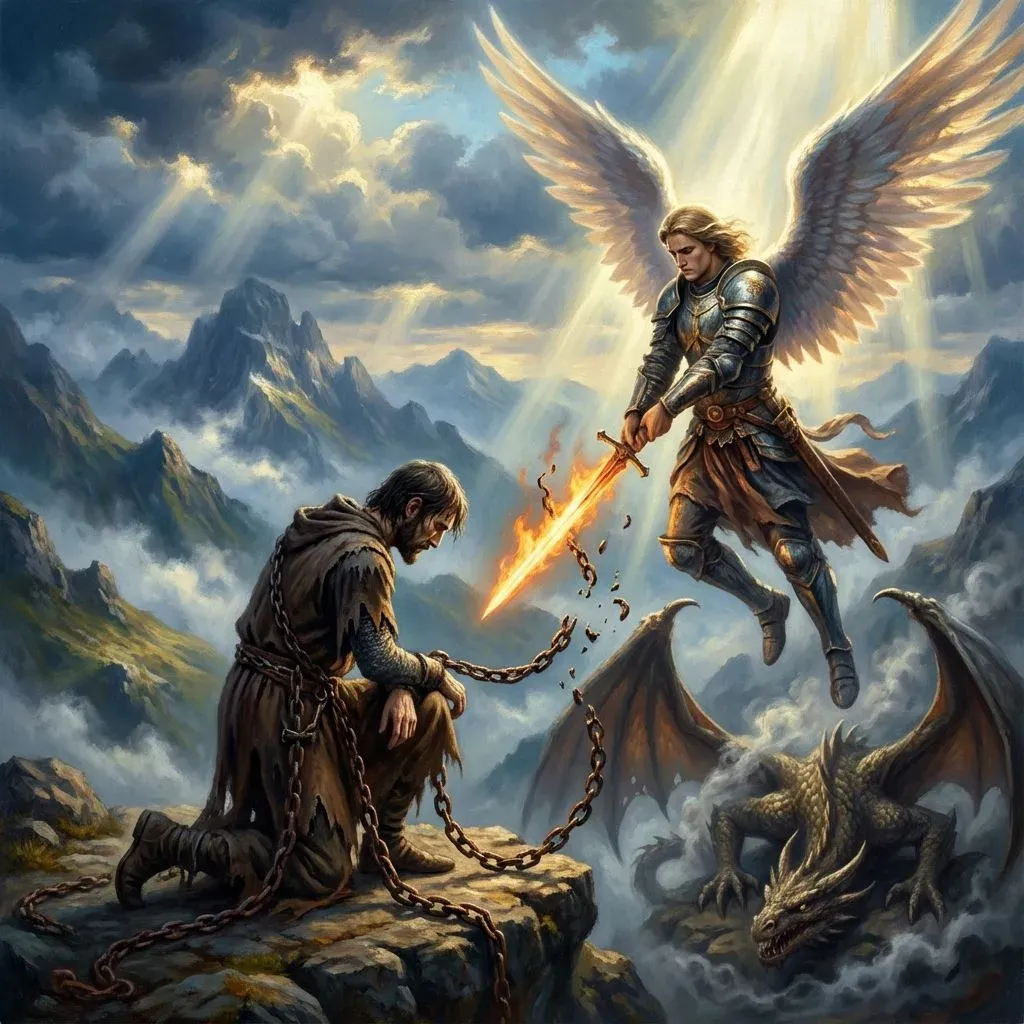
The Navarrese knight who, deceived by the devil, committed parricide and wandered in chains until Saint Michael freed him at Aralar.
— Nafarroa —
Lantz is a small Navarrese village at the foot of the Velate pass, known internationally for one of the most famous carnivals in the Basque Country. With only a small population, the village becomes each winter a stage for one of the most powerful ritual dramas of the Basque festive calendar.
The central figure of the carnival is Miel Otxin, a legendary bandit represented by a gigantic straw figure who is paraded through the village, judged and finally burned. Around him appear other traditional characters such as the zaldiko, the blacksmiths, the bear and the masked figures who turn the streets into a scene of chaos and renewal.
The carnival of Lantz has often been interpreted as a ritual of symbolic death and collective purification, where disorder is staged in order to restore balance. Even today, it remains one of the clearest examples of how Basque popular theatre preserves ancient ways of understanding community, fear and renewal.
Outside carnival, Lantz is a peaceful place to admire traditional Navarrese architecture: stone farmhouses with timber framing, the parish church and surrounding hills and meadows crossed by centuries-old livestock trails.
The Navarrese knight who, deceived by the devil, committed parricide and wandered in chains until Saint Michael freed him at Aralar.
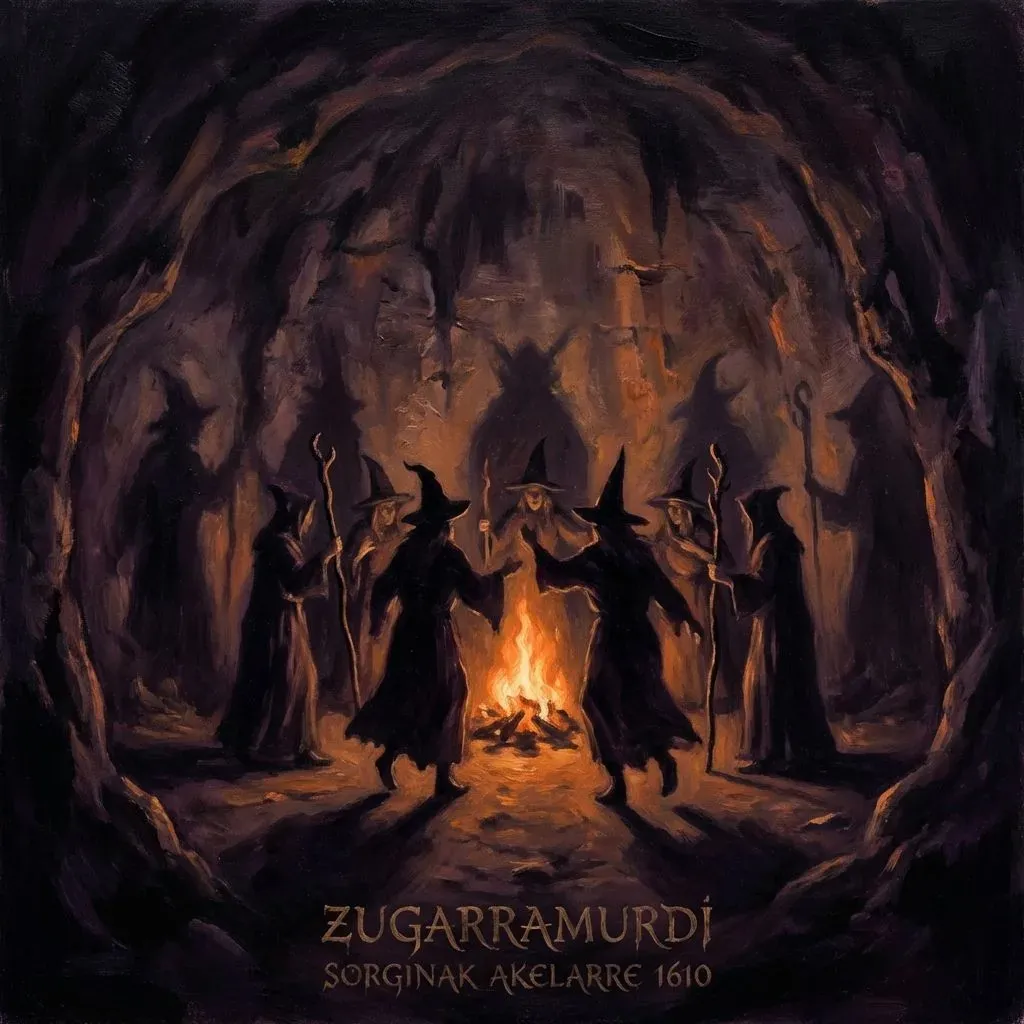
The famous inquisitorial trial of 1610 against the Navarrese witches who held akelarres in the sacred cave.
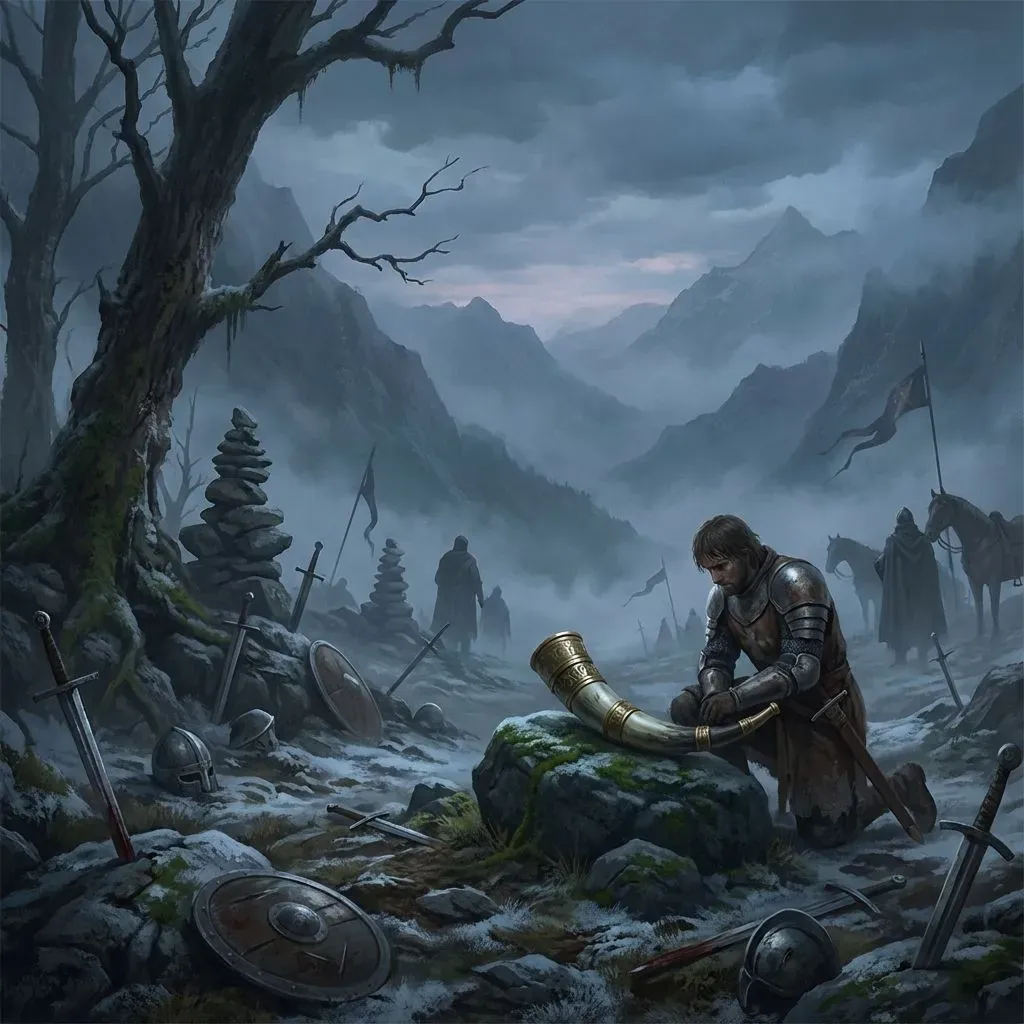
The Basque ambush against Charlemagne's army in the Pyrenean pass where the legendary Roland fell.
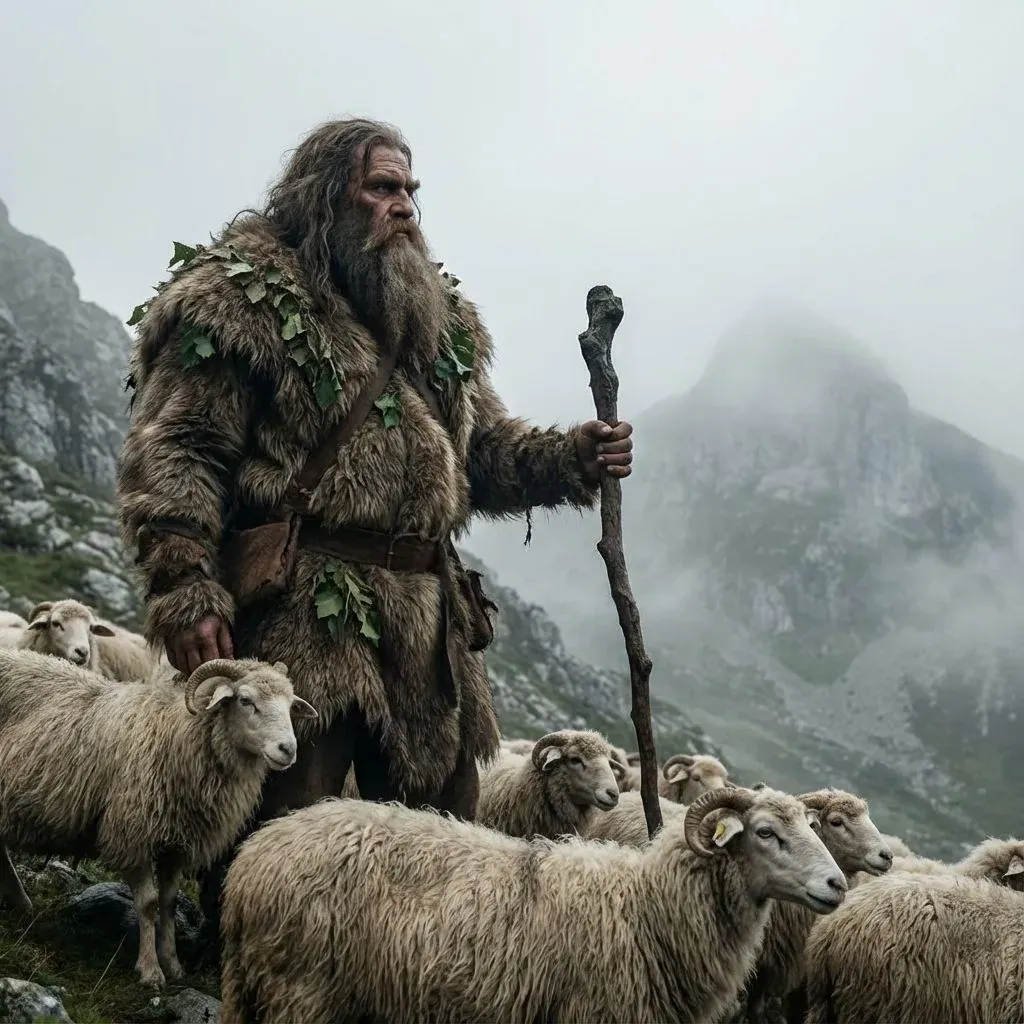
The shaggy giant who lives in the forests, protector of flocks and guardian of the secrets of agriculture and the forge.

Seductive nymphs who dwell in rivers and springs, recognisable by bird feet or fish tails, combing their hair with golden combs.
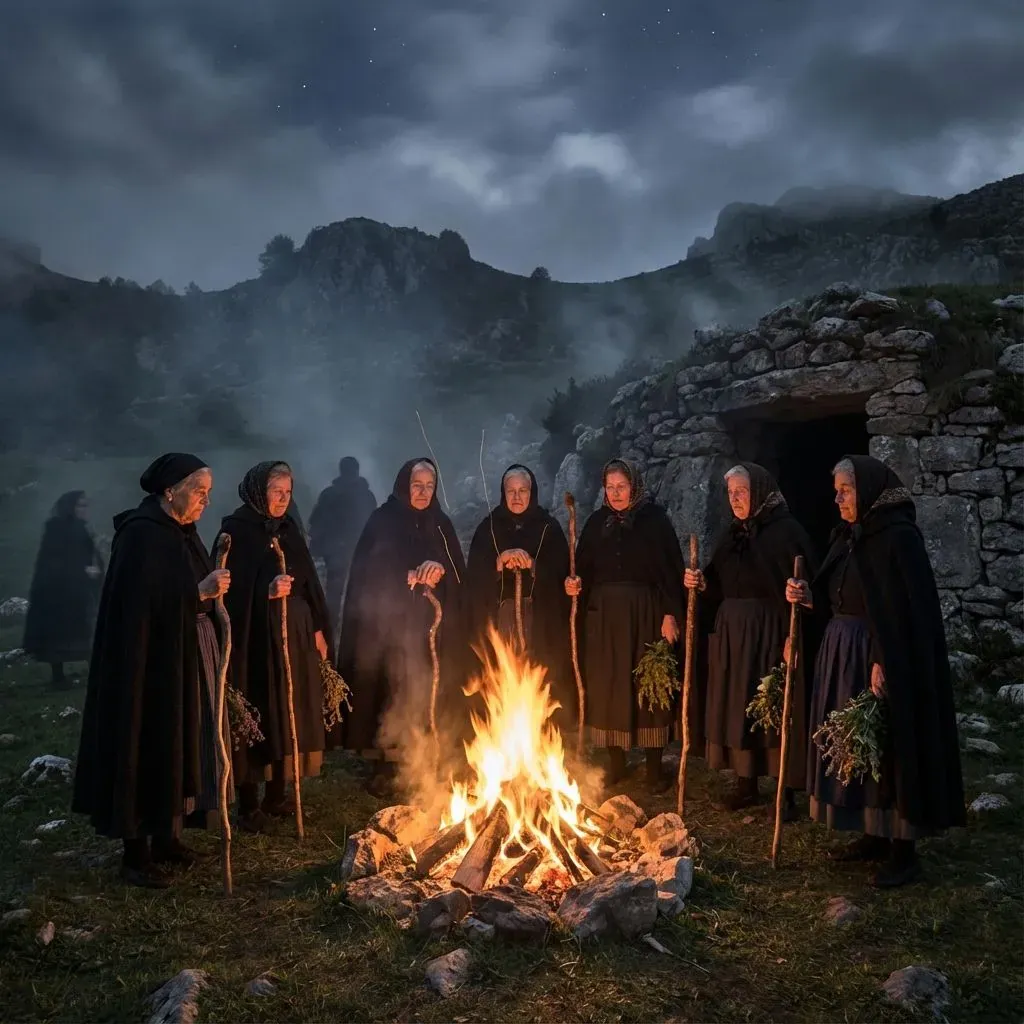
The Basque witches and wise women, priestesses of Mari who mastered potions, curses and the art of flying through the night sky.
Lantz, in its namesake valley in northern Navarre, holds one of the Basque territory’s most distinctive carnivals. Its central figure is Miel Otxin, an enormous straw effigy representing the bandit or disruptive outsider who must be tried, executed and burned so the new annual cycle can begin free of the previous year’s disorder.
Other figures parade alongside Miel Otxin: Ziripot, a stout, clumsy being symbolising winter’s disorderly abundance, and Zaldiko, the articulated wooden horse that pursues him in comic frenzy. Spontaneous street theatre, music and the final fire create a spectacle owing as much to pagan ritual as to carnival in its modern sense.
The burning of the effigy is Lantz carnival’s most meaningful moment. The fire consuming Miel Otxin transforms winter into ash that will nourish the coming spring. The cycle beginning in darkness and cold ends in this regenerative fire, lit collectively as an expression of the community’s will over its own time.
Lantz also enjoys great natural beauty, surrounded by the beech and oak woods of its valley in northwestern Navarre. A carnival visit combines exceptional folklore with a landscape made particularly atmospheric by winter.