Teodosius of Goñi
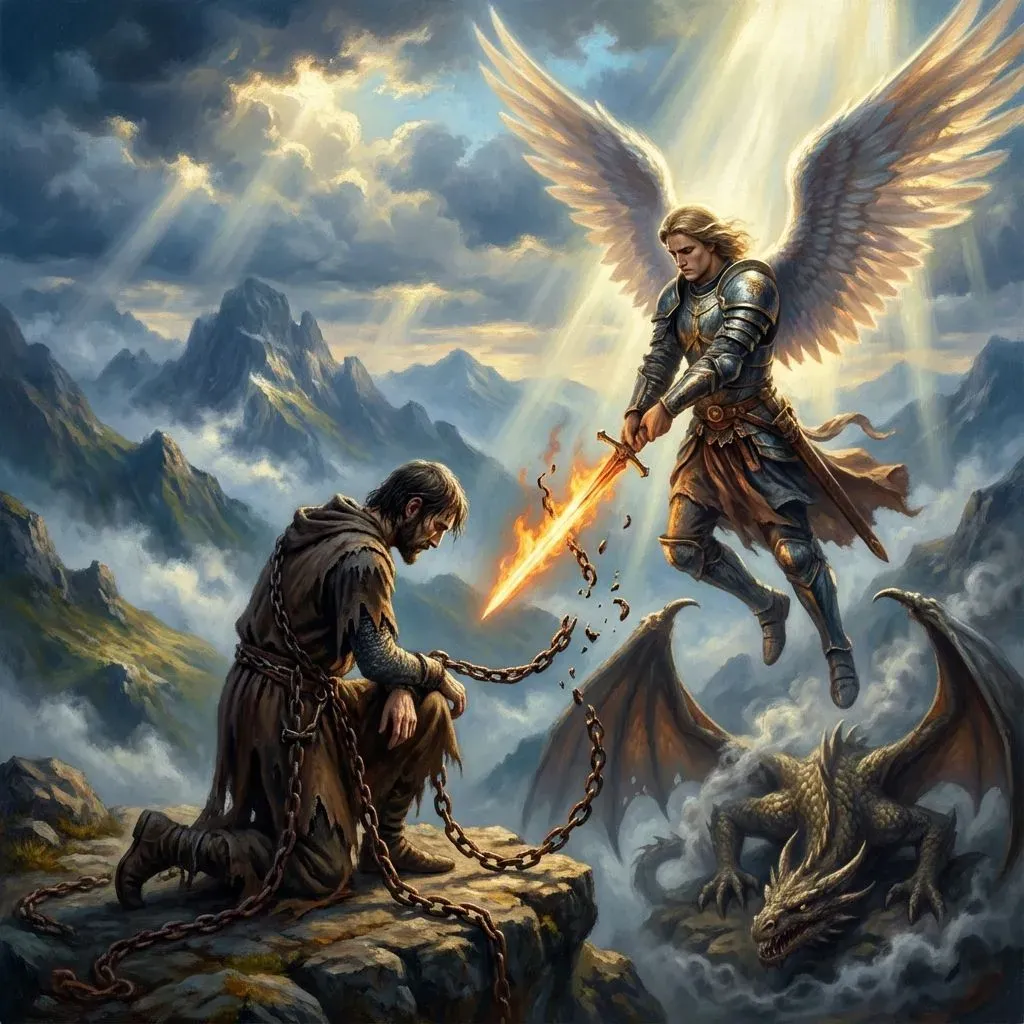
The Navarrese knight who, deceived by the devil, committed parricide and wandered in chains until Saint Michael freed him at Aralar.
— Araba / Bizkaia —
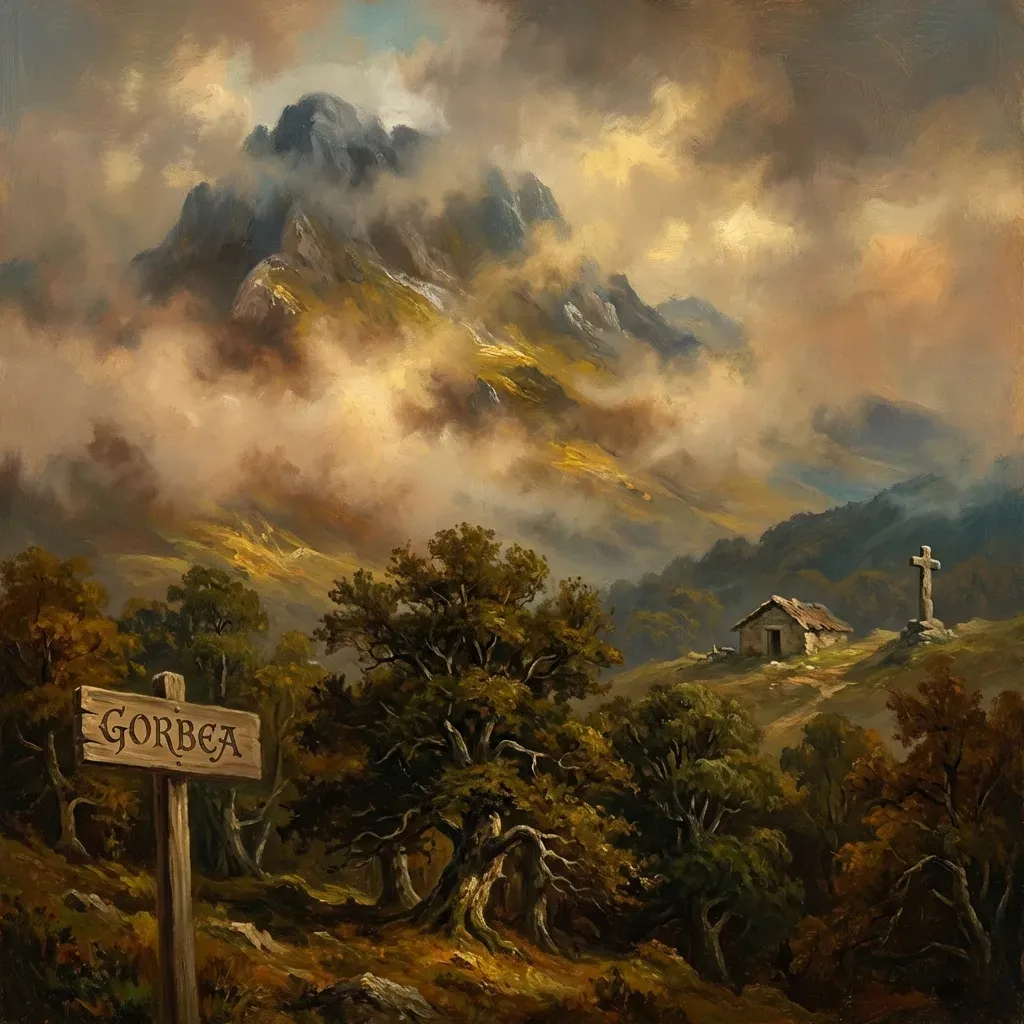
The Gorbeia Natural Park contains an important group of megalithic monuments spread across its slopes and summits. Dolmens, burial mounds and other stone structures show that this sacred massif was also a territory deeply marked by prehistoric ritual activity.
The megaliths of Gorbeia are mainly concentrated in the high pasture areas, where traditional shepherd huts also stand. This overlap suggests a long continuity in the symbolic and practical importance of these uplands, linking Neolithic memory with pastoral life that lasted for millennia.
Among the most notable monuments are the dolmens of Mendigana and Katillotxu, which can still be reached by hiking routes through the park. Their presence adds another layer of depth to Gorbeia, reinforcing its image as a mountain of memory as much as a mountain of nature.
Visiting Gorbeia’s megaliths combines archaeology and nature in an exceptionally beautiful setting. Beech woods, upland peat bogs and the park’s rich wildlife complete an experience connecting visitors with the territory’s deepest roots.
The Navarrese knight who, deceived by the devil, committed parricide and wandered in chains until Saint Michael freed him at Aralar.
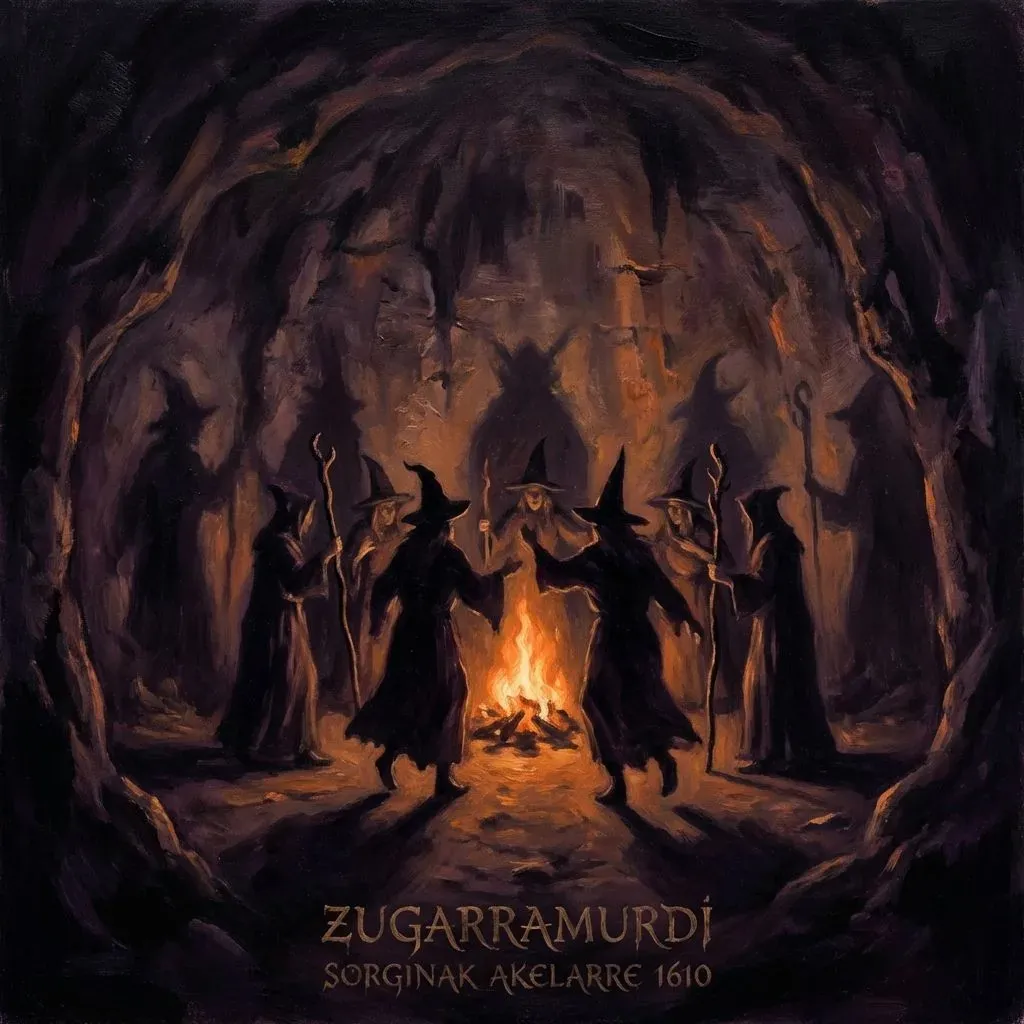
The famous inquisitorial trial of 1610 against the Navarrese witches who held akelarres in the sacred cave.
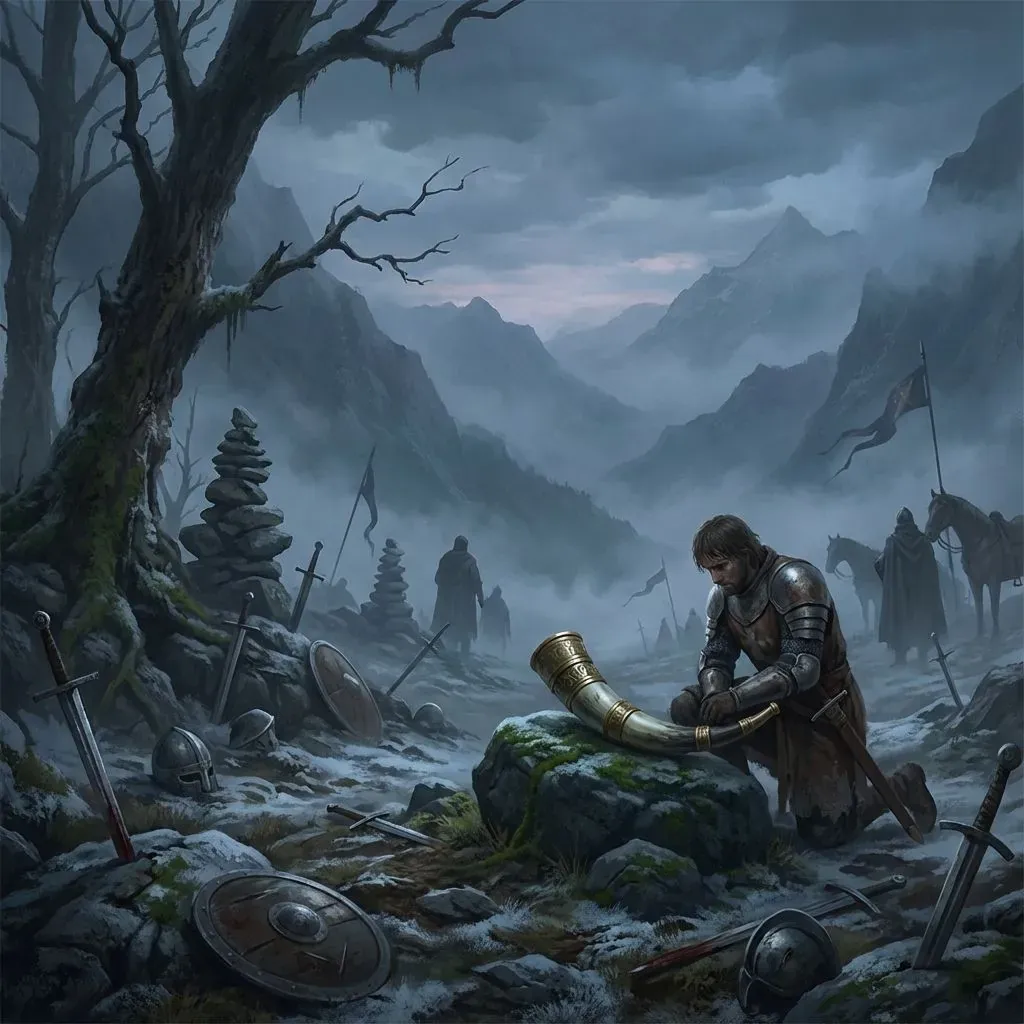
The Basque ambush against Charlemagne's army in the Pyrenean pass where the legendary Roland fell.
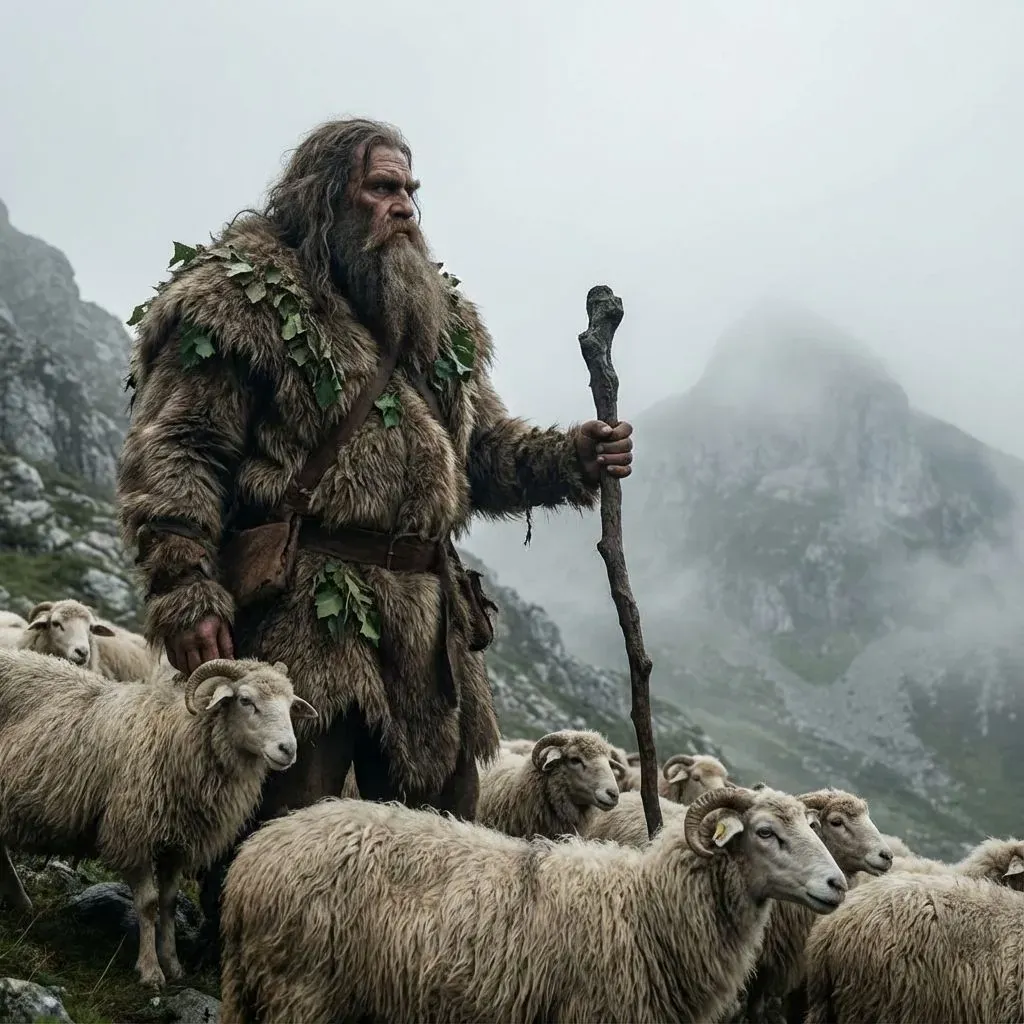
The shaggy giant who lives in the forests, protector of flocks and guardian of the secrets of agriculture and the forge.
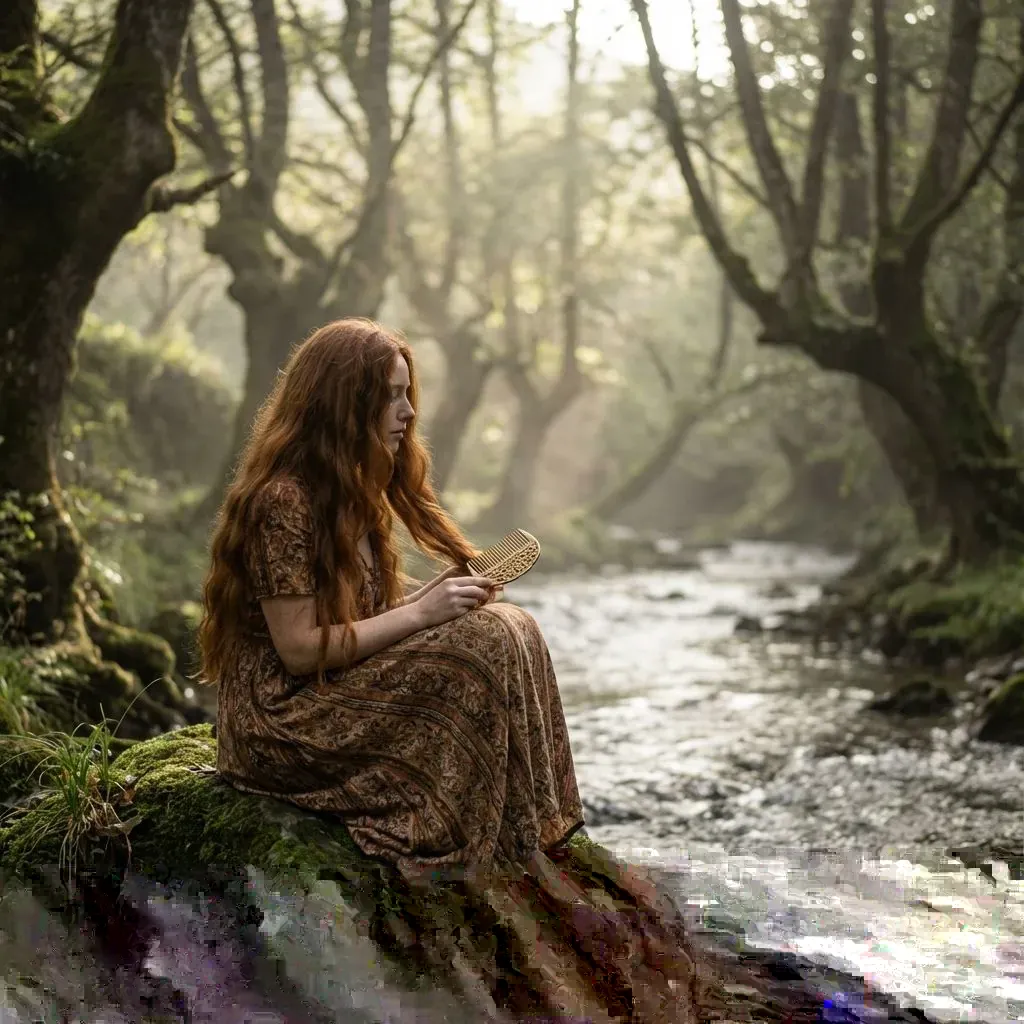
Seductive nymphs who dwell in rivers and springs, recognisable by bird feet or fish tails, combing their hair with golden combs.
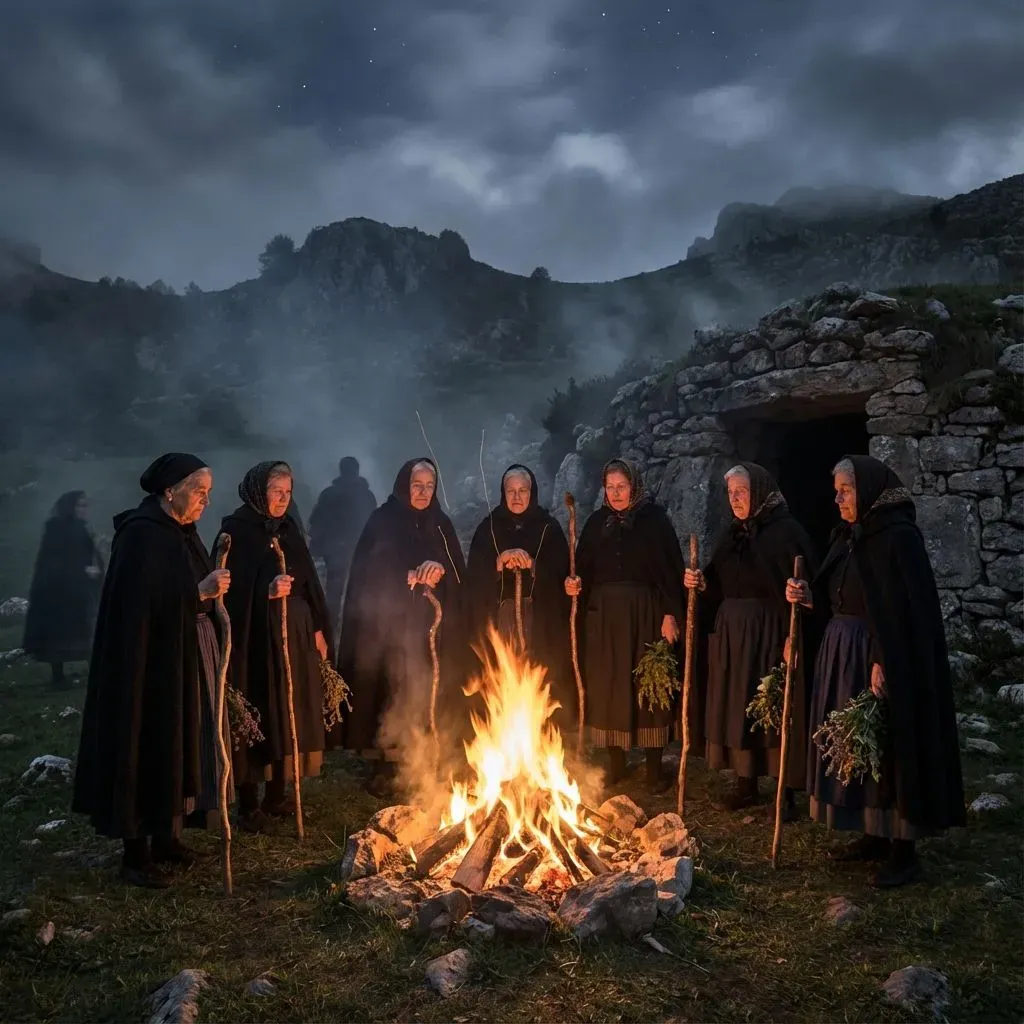
The Basque witches and wise women, priestesses of Mari who mastered potions, curses and the art of flying through the night sky.
Gorbeia is both the Basque Country’s largest protected natural area and an exceptional repository of megalithic monuments recording human presence for over five thousand years. Dolmens and stone circles scattered across its upland pastures, ridges and passes turn every excursion into an unplanned journey through the Basque Neolithic.
Most Gorbeia dolmens were built between the fifth and third millennia BCE, like those elsewhere in Basque territory, as expanding agriculture and pastoralism transformed the landscape irreversibly. Many stand where transhumant grazing continues today, suggesting millennia of uninterrupted human use.
Gorbeia Natural Park’s trails allow routes combining the main summit with megaliths at different elevations. Bringing mountain walking and field archaeology together makes a day here richer than either experience alone.
Artxugana, the group’s most imposing dolmen, stands on the Álava–Bizkaia divide above a thousand metres, with some of the massif’s most open and stark views. Reaching it requires a demanding day’s walk, but the surrounding upland pastures and beech woods fully reward the effort.