Teodosius of Goñi
The Navarrese knight who, deceived by the devil, committed parricide and wandered in chains until Saint Michael freed him at Aralar.
— Araba / Bizkaia —
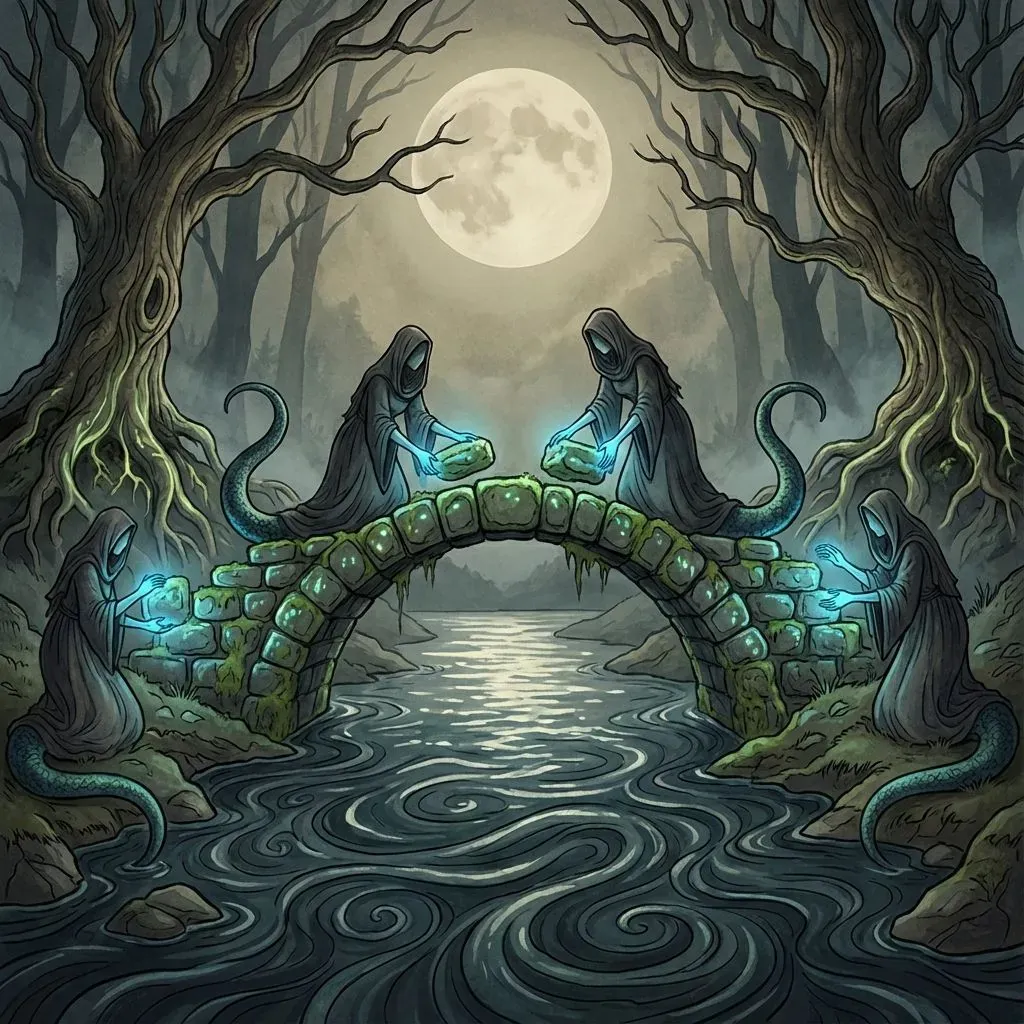
The Nervion is the most important river in Bizkaia and one of the defining symbols of the contemporary Basque Country. It rises near the pass of Ordu?a, on the border between Araba and Burgos, and descends towards Bilbao to form the great estuary that opens onto the sea.
The history of the Nervion is inseparable from the industrialisation of the Basque Country. For more than a century its waters witnessed the rise of the steel and shipbuilding economy that transformed Bilbao into one of the most powerful urban and industrial centres on the Iberian Peninsula.
The transformation of recent decades has given the Nervion a new life. Where cranes and chimneys once dominated, one now finds the Guggenheim Museum, the Euskalduna Palace and riverfront walks that symbolise the reinvention of Bilbao while preserving the memory of the estuary that made the city possible.
But the Nervion is also nature. Near its source, the river plunges in the spectacular Nervion Waterfall, a drop of more than two hundred metres and the highest waterfall in the Iberian Peninsula. This contrast between industrial estuary and dramatic headwaters explains much of the river?s singular identity.
The Navarrese knight who, deceived by the devil, committed parricide and wandered in chains until Saint Michael freed him at Aralar.
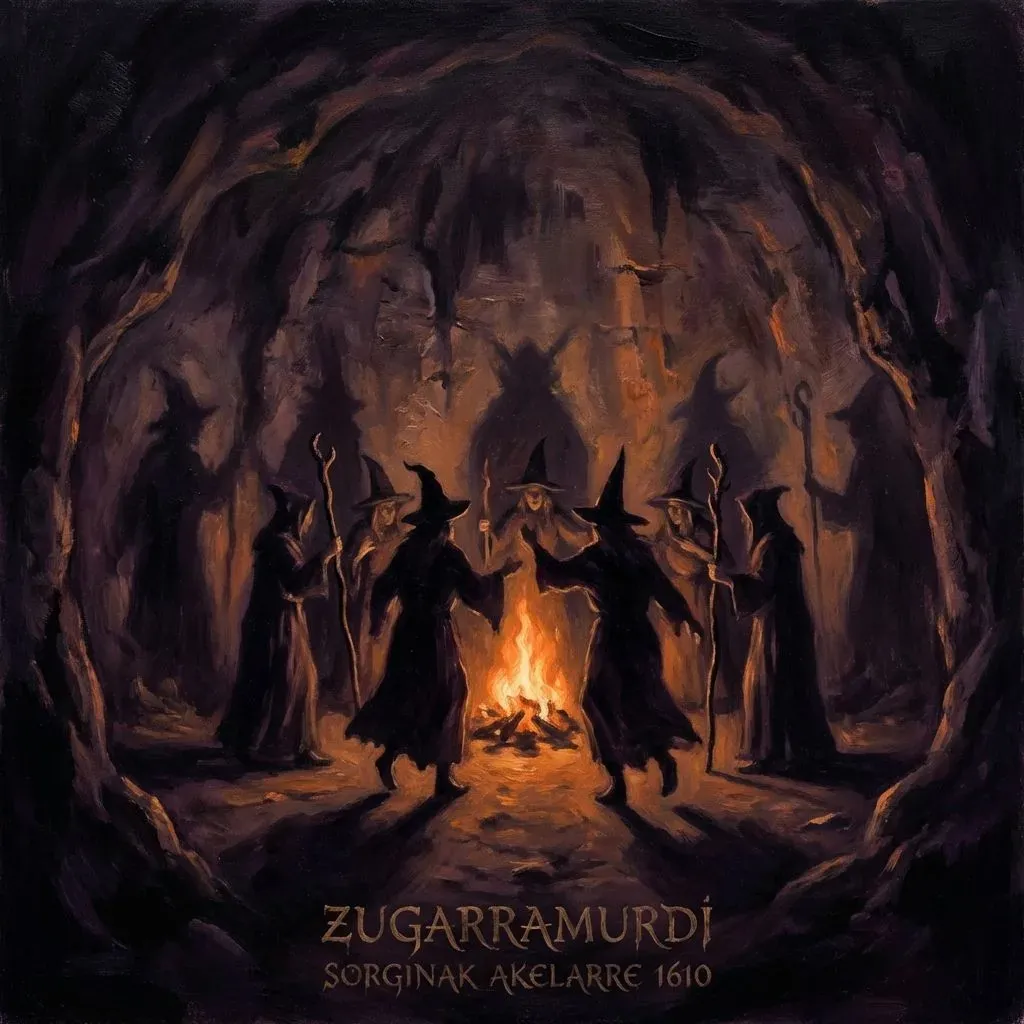
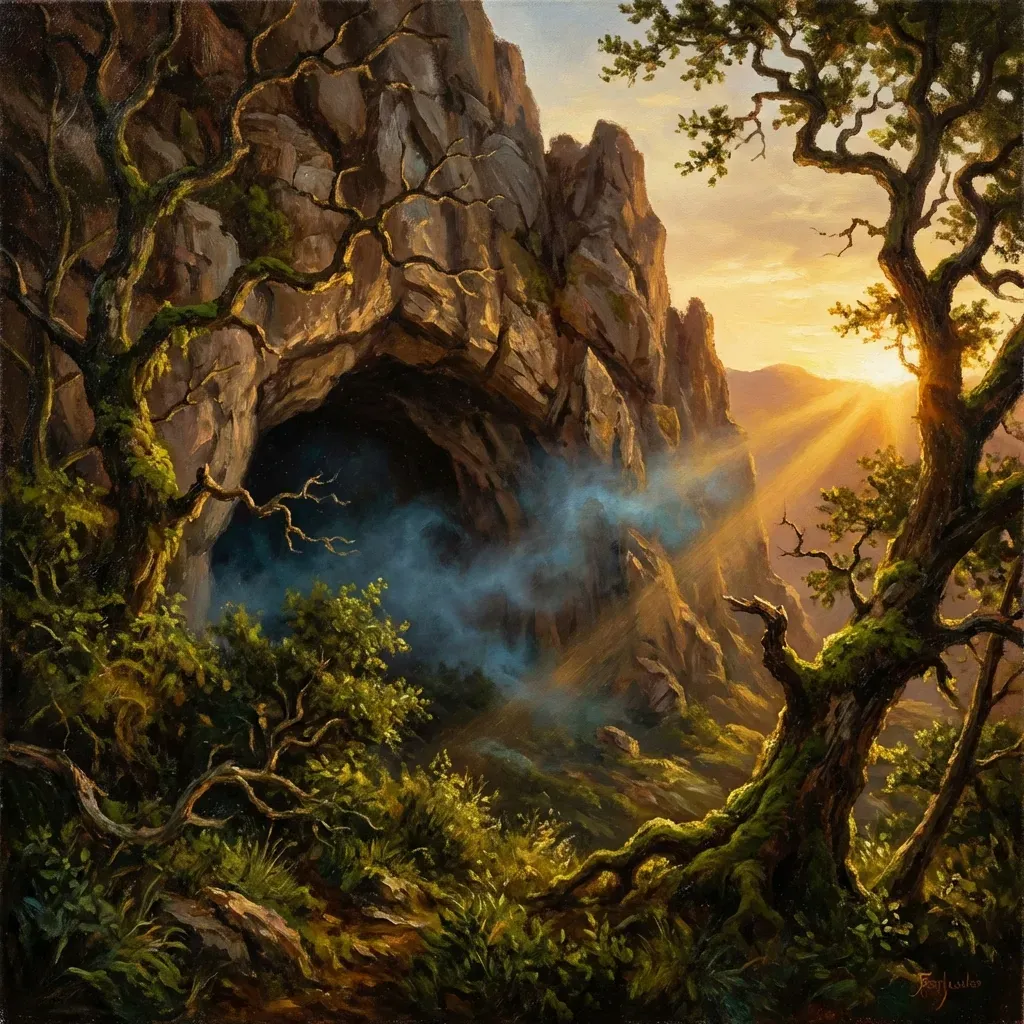
The famous inquisitorial trial of 1610 against the Navarrese witches who held akelarres in the sacred cave.
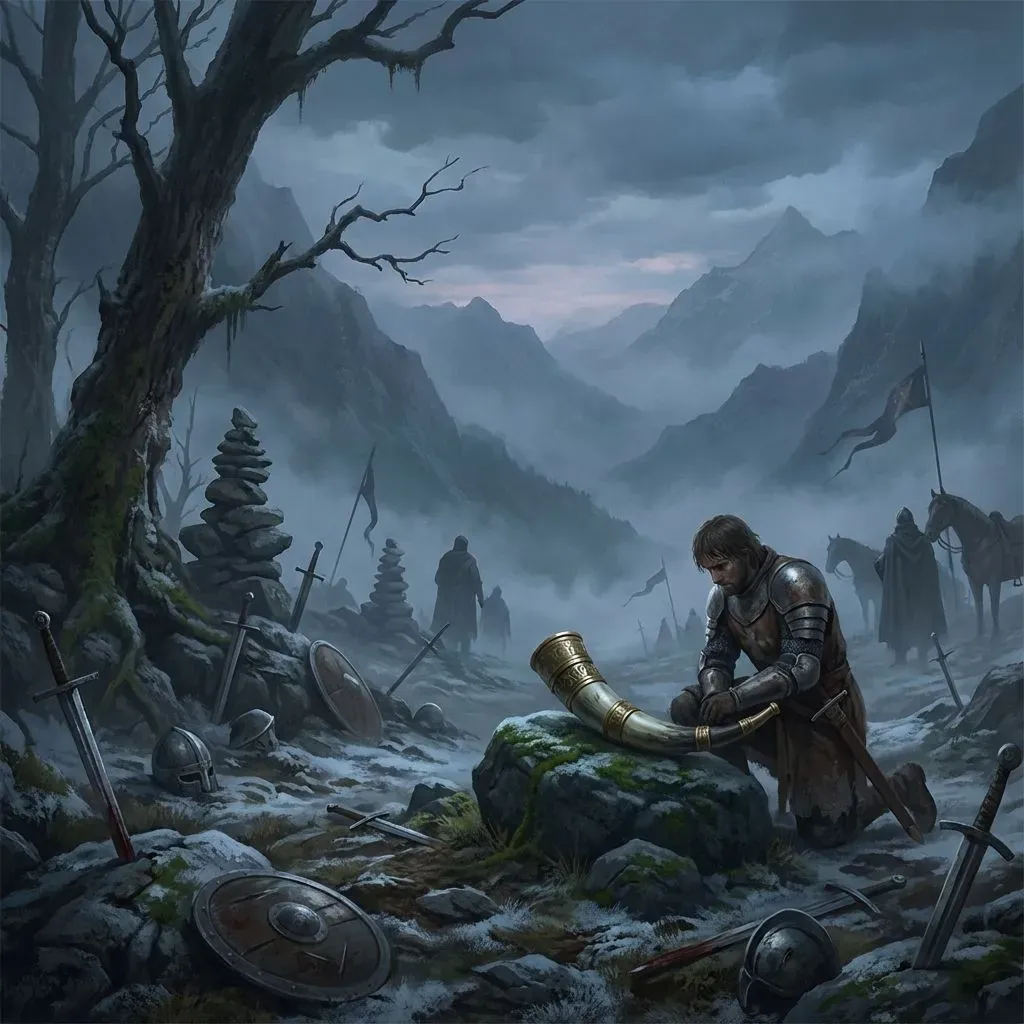
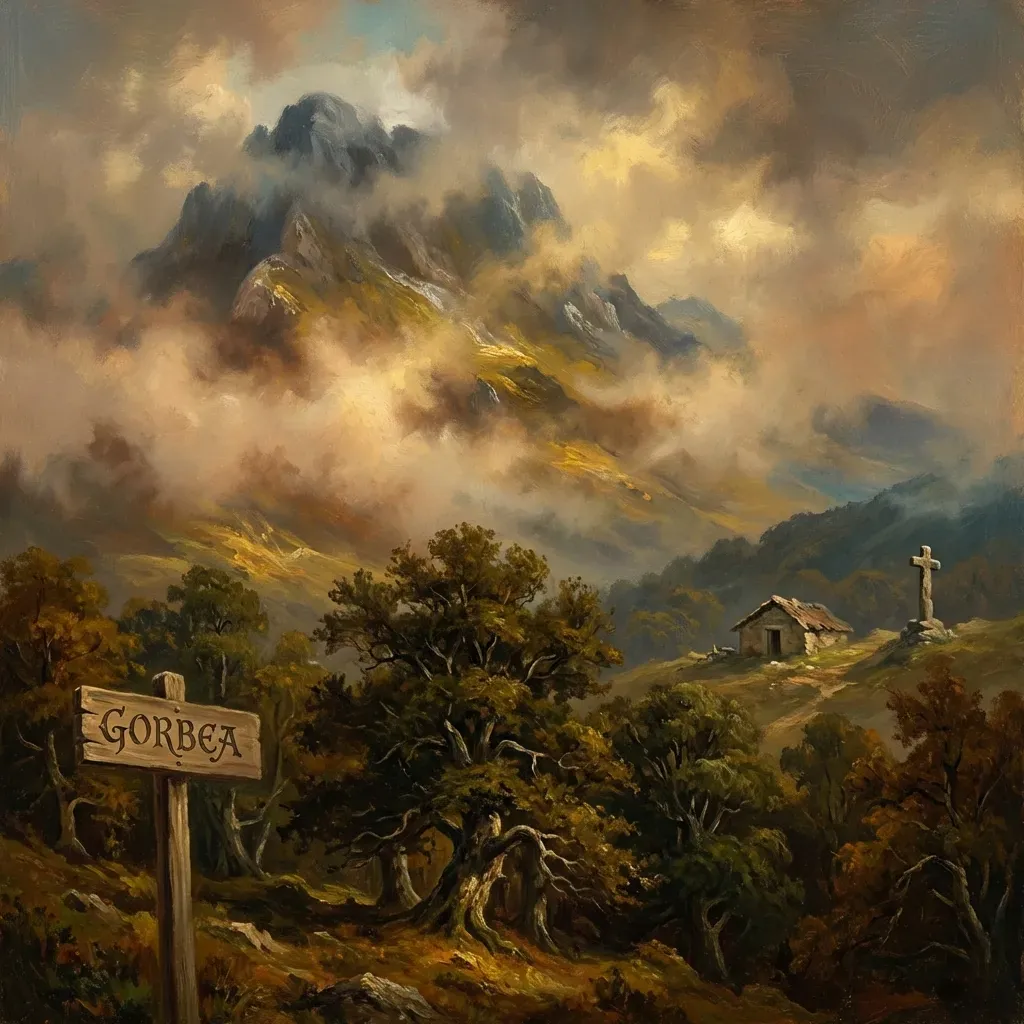
The Basque ambush against Charlemagne's army in the Pyrenean pass where the legendary Roland fell.

The shaggy giant who lives in the forests, protector of flocks and guardian of the secrets of agriculture and the forge.

Seductive nymphs who dwell in rivers and springs, recognisable by bird feet or fish tails, combing their hair with golden combs.
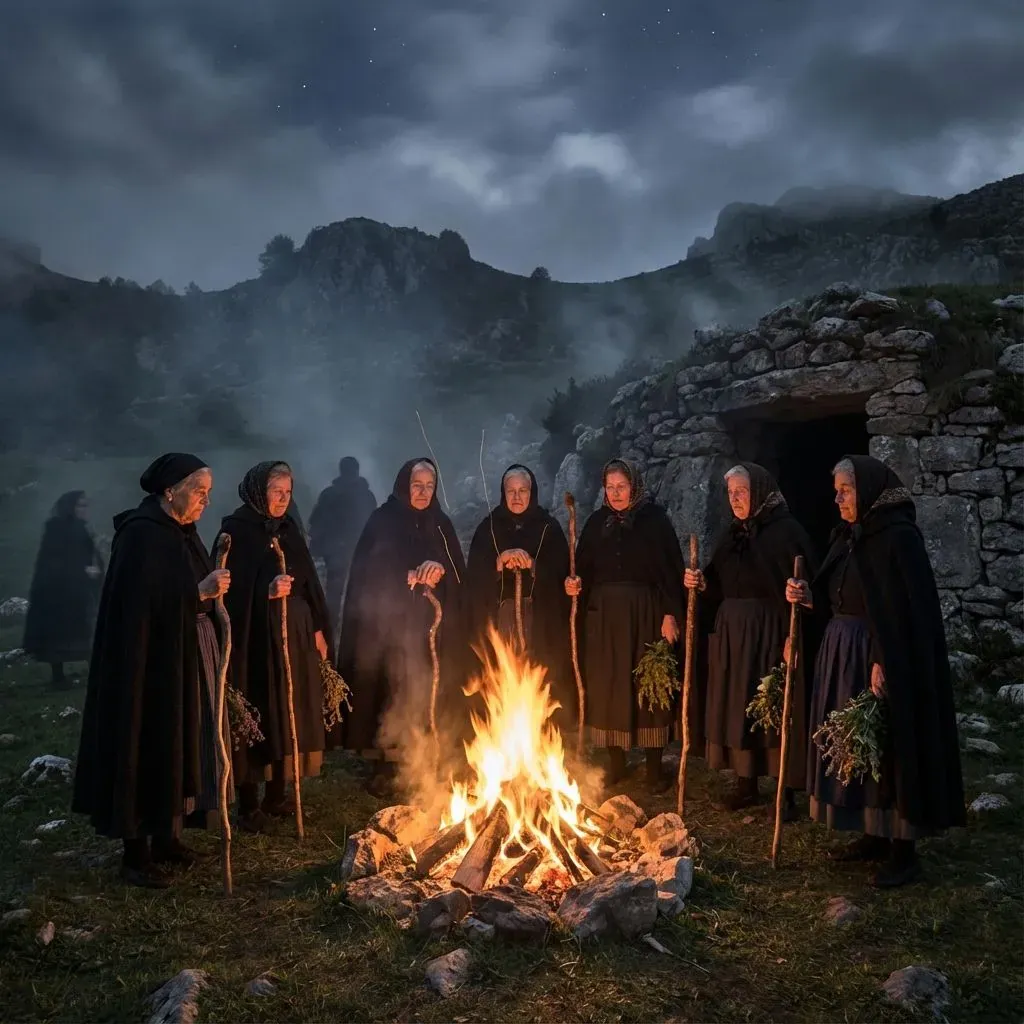
The Basque witches and wise women, priestesses of Mari who mastered potions, curses and the art of flying through the night sky.
The Nervión rises in Álava’s mountains near its waterfall, described as the Iberian Peninsula’s highest at around three hundred metres. It flows north through Bizkaia and beneath Bilbao’s bridges before opening into the Bay of Biscay between Getxo, Santurtzi and Portugalete. In under seventy kilometres, it gathers exceptional industrial, political and cultural history.
For over a century, the Nervión estuary was the axis of northern Spain’s largest steelmaking and port complex. Factories, blast furnaces, docks and railways replaced natural estuaries, making Bilbao a dynamic, influential city between 1880 and 1975. Late twentieth-century industrial decline prompted regeneration, crystallised by the Guggenheim and other cultural projects into the so-called Bilbao effect.
The Bizkaia Bridge crosses the Nervión between Getxo and Portugalete and has been UNESCO World Heritage since 2006. Built in 1893 as the world’s first transporter bridge, it moved people and vehicles without obstructing large ships. Its painted iron structure and still-operating suspended gondola are a masterpiece of nineteenth-century industrial engineering.
Since the 1990s, continuing clean-up and ecological restoration have brought life back to the Nervión estuary after industrial pollution almost eliminated it. Wading birds, salmon and marsh vegetation have returned to stretches nearly sterile forty years ago, making this a striking European example of urban environmental regeneration.