Teodosius of Goñi
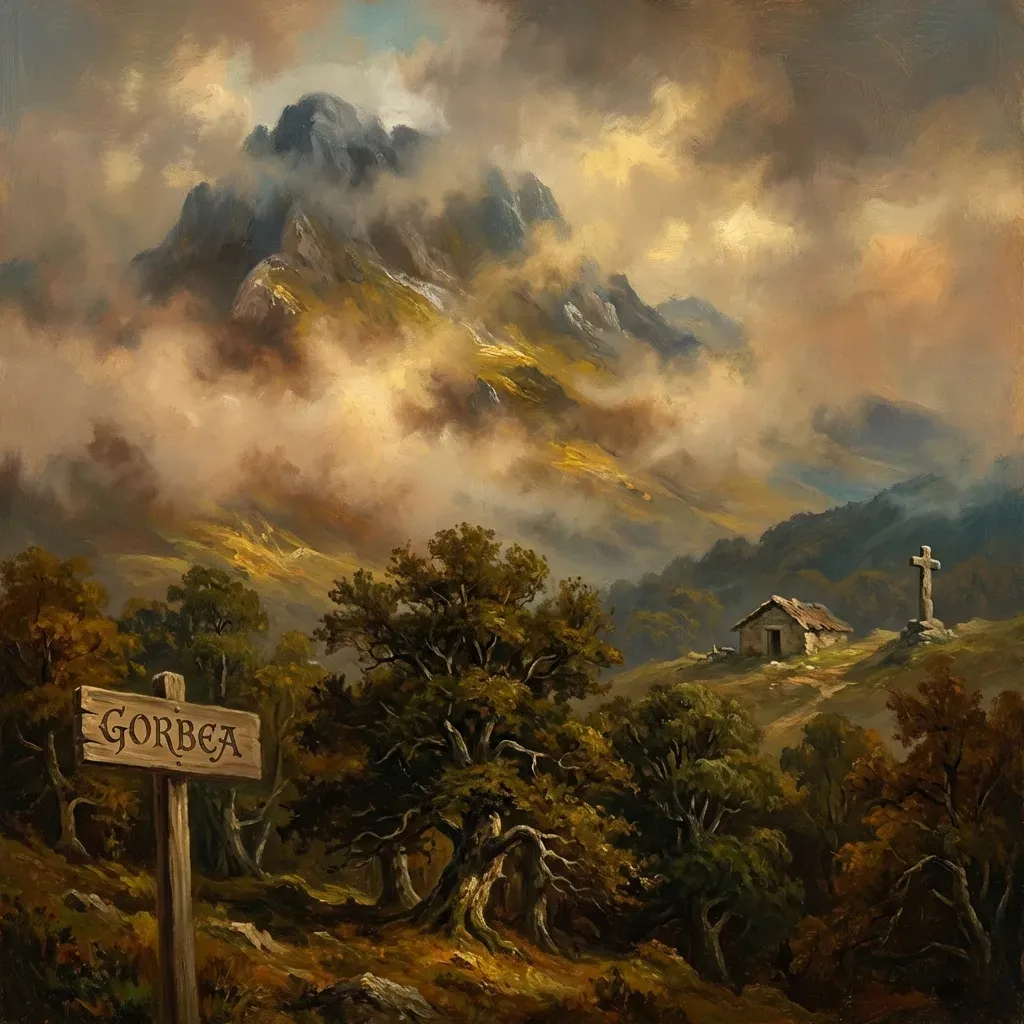
The Navarrese knight who, deceived by the devil, committed parricide and wandered in chains until Saint Michael freed him at Aralar.
— Lapurdi / Nafarroa Beherea —

The Nive River, known in Basque as Errobi, is the most important river in the French Basque Country. It rises in the Pyrenean valleys of Lower Navarre and crosses the heart of Lapurdi before joining the Adour in Bayonne. Its roughly eighty kilometres flow through some of the most beautiful landscapes in Iparralde.
The Nive valley has long been one of the main routes between the interior of the Basque Country and the coast. The Way of Saint James follows its banks from Saint-Jean-Pied-de-Port, and its waters powered mills and fed ironworks for centuries.
Charming towns line its course: Saint-Jean-Pied-de-Port with its medieval citadel, Cambo-les-Bains with Edmond Rostand's villa, and finally Bayonne, where the Nive joins the Adour to form an estuary of remarkable scenic beauty.
The waters of the Nive are valued by salmon and trout fishers, and its banks offer many options for hiking and cycle touring. The river is also popular for canoeing, with stretches ranging from calm water to exciting rapids.
The Navarrese knight who, deceived by the devil, committed parricide and wandered in chains until Saint Michael freed him at Aralar.

The famous inquisitorial trial of 1610 against the Navarrese witches who held akelarres in the sacred cave.
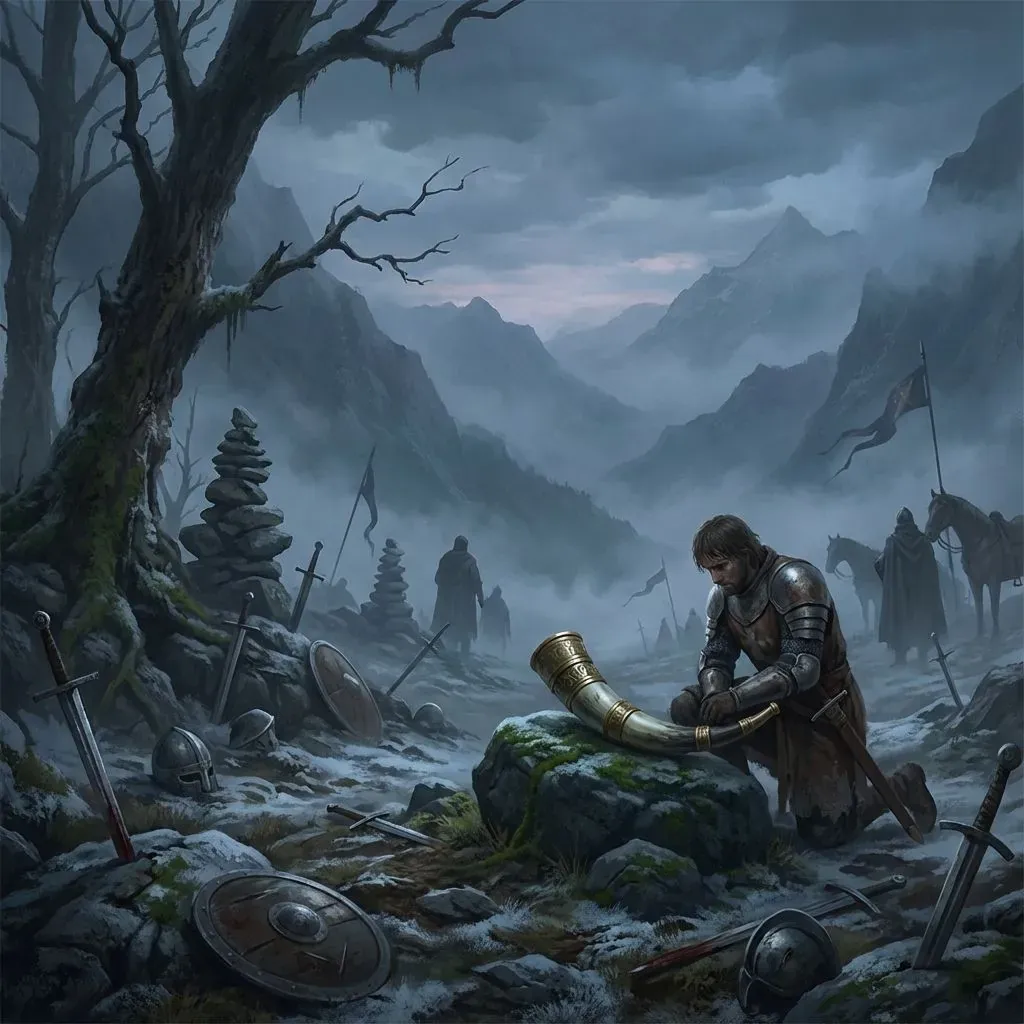
The Basque ambush against Charlemagne's army in the Pyrenean pass where the legendary Roland fell.

The shaggy giant who lives in the forests, protector of flocks and guardian of the secrets of agriculture and the forge.

Seductive nymphs who dwell in rivers and springs, recognisable by bird feet or fish tails, combing their hair with golden combs.
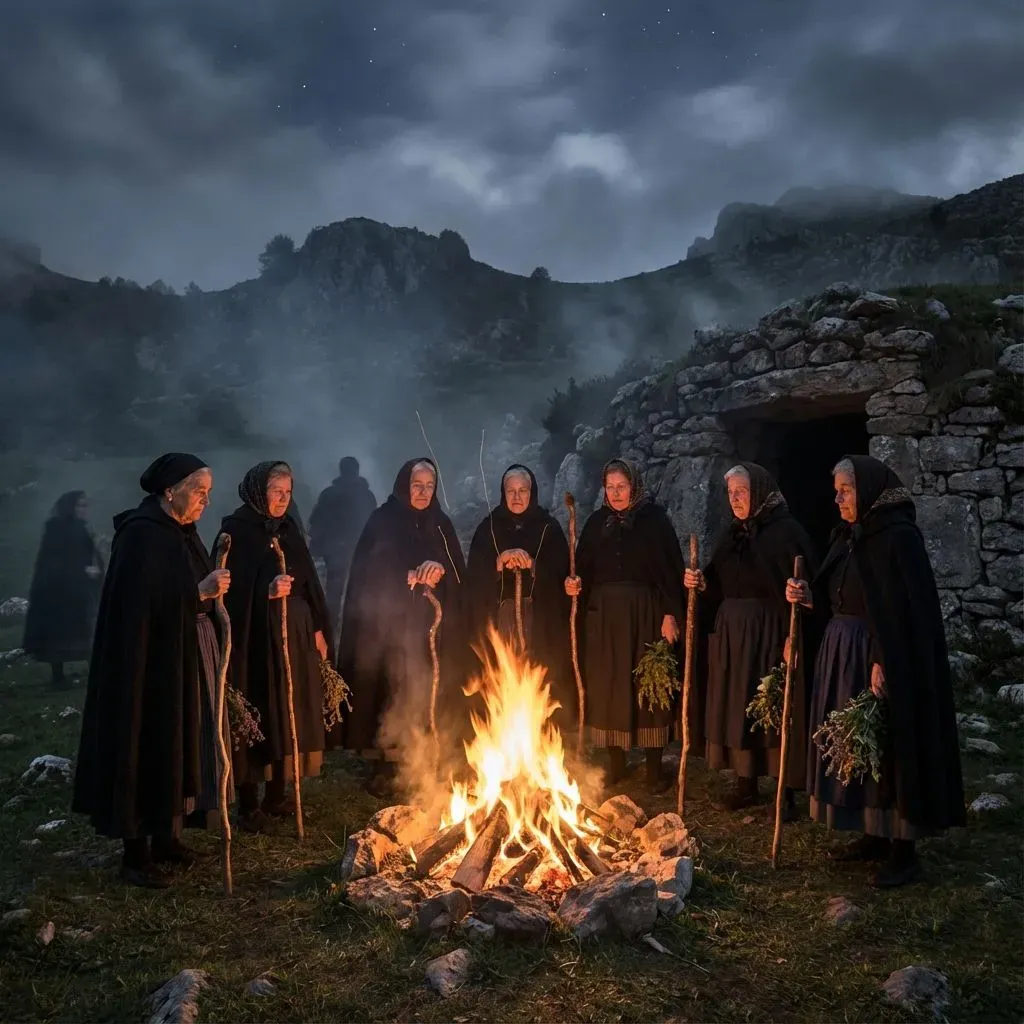
The Basque witches and wise women, priestesses of Mari who mastered potions, curses and the art of flying through the night sky.
The Nive rises in the Navarrese Pyrenees and flows north through the French Basque Country to join the Adour in Bayonne. For centuries, it shaped life in inland Labourd. Broad green valleys, scattered hillside farmhouses and compact riverside villages form its characteristic rural landscape.
During the busiest periods of the Way of St James, pilgrims from inland Europe followed the Nive to Donibane Garazi before crossing the Pyrenees. Its banks retain notable medieval bridges and villages such as Bidarray, whose charm owes much to the relationship between architecture and water.
The upper Nive around Bidarray is among the French Basque Country’s most beautiful landscapes. The river runs between green hills grazed by pottok, the robust little native ponies. Their silhouette against the mountains is a defining image of the territory’s distinctive character within western Europe.
Kayaking and canoeing on the Nive are major attractions, with stretches of differing difficulty from the Pyrenees to Bayonne. Clear water, riverside woods and rolling hills combine to offer a varied day of nature tourism in the French Basque Country.