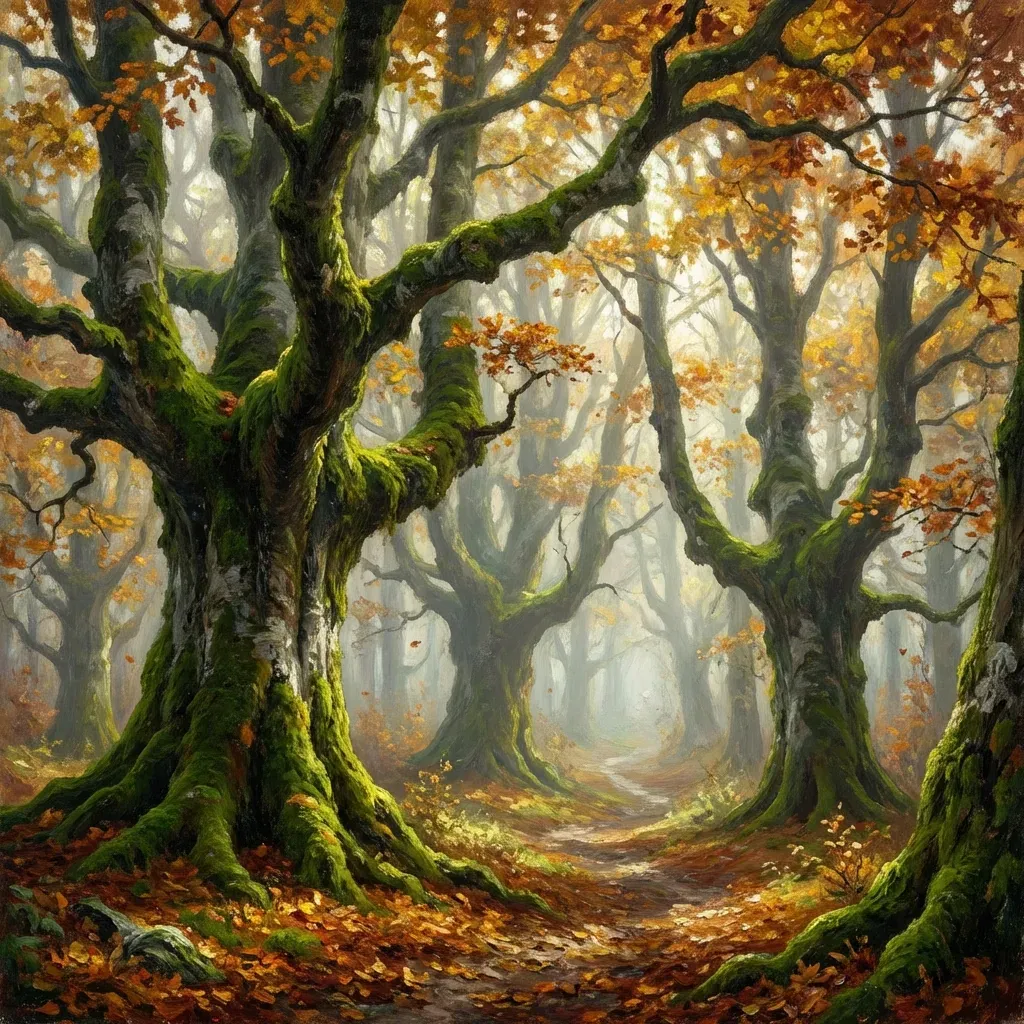
Teodosius of Goñi
The Navarrese knight who, deceived by the devil, committed parricide and wandered in chains until Saint Michael freed him at Aralar.
— Lapurdi —
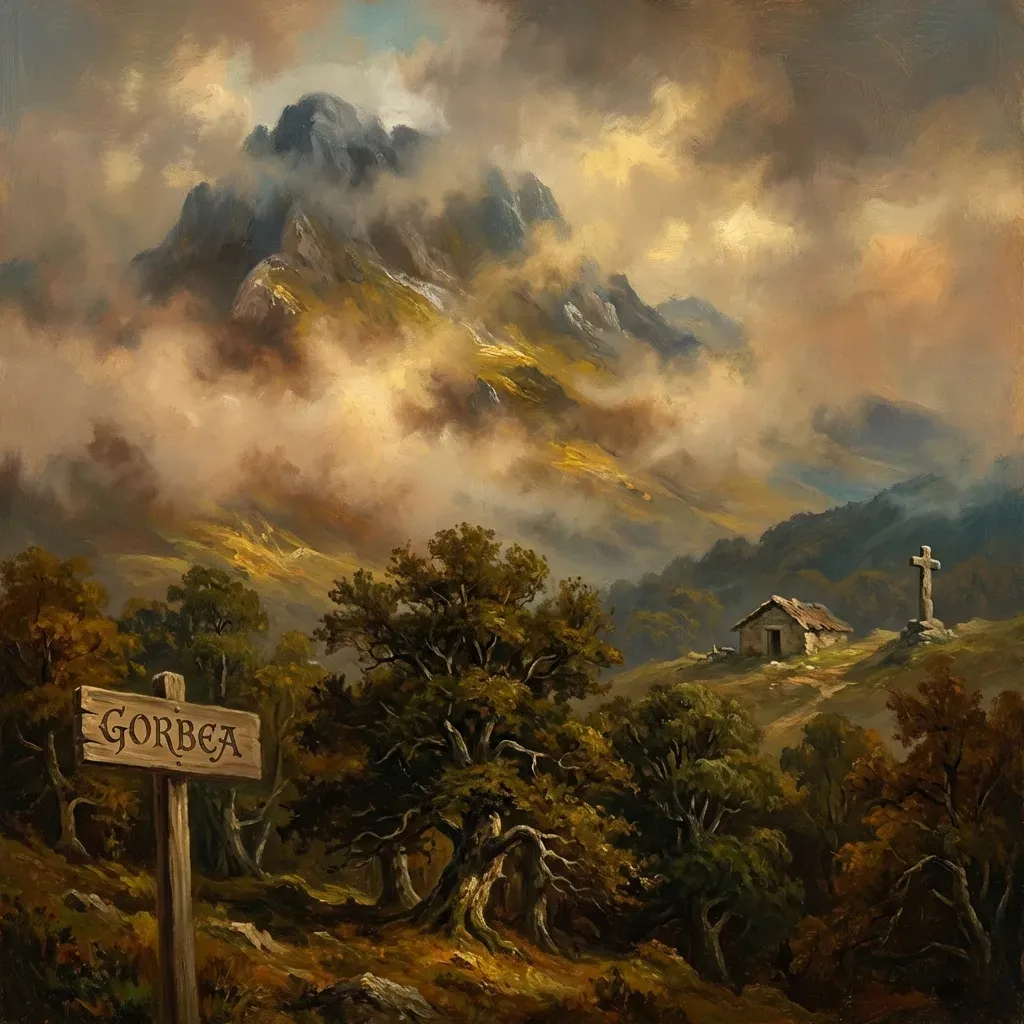
Sare, known in Basque as Sara, is a beautiful village in the French Basque Country, set in Lapurdi at the foot of Mount Larrun. With a long history linked to witchcraft traditions, cave landscapes and cross-border routes, it is one of the most evocative places in the Basque north.
The village preserves a historic centre of remarkable beauty, with traditional timber-framed farmhouses and whitewashed fa?ades that reflect the characteristic architecture of Labourd. Its parish church, fronton and quiet streets give Sare the feeling of a village where the old social fabric is still clearly visible.
Its proximity to the prehistoric caves of Sara and to Mount Larrun makes the village an ideal base for exploring the natural and mythical heritage of the area. The rack railway to Larrun and the surrounding paths reinforce Sare?s place as a threshold between pastoral landscape, archaeology and legend.
The Navarrese knight who, deceived by the devil, committed parricide and wandered in chains until Saint Michael freed him at Aralar.
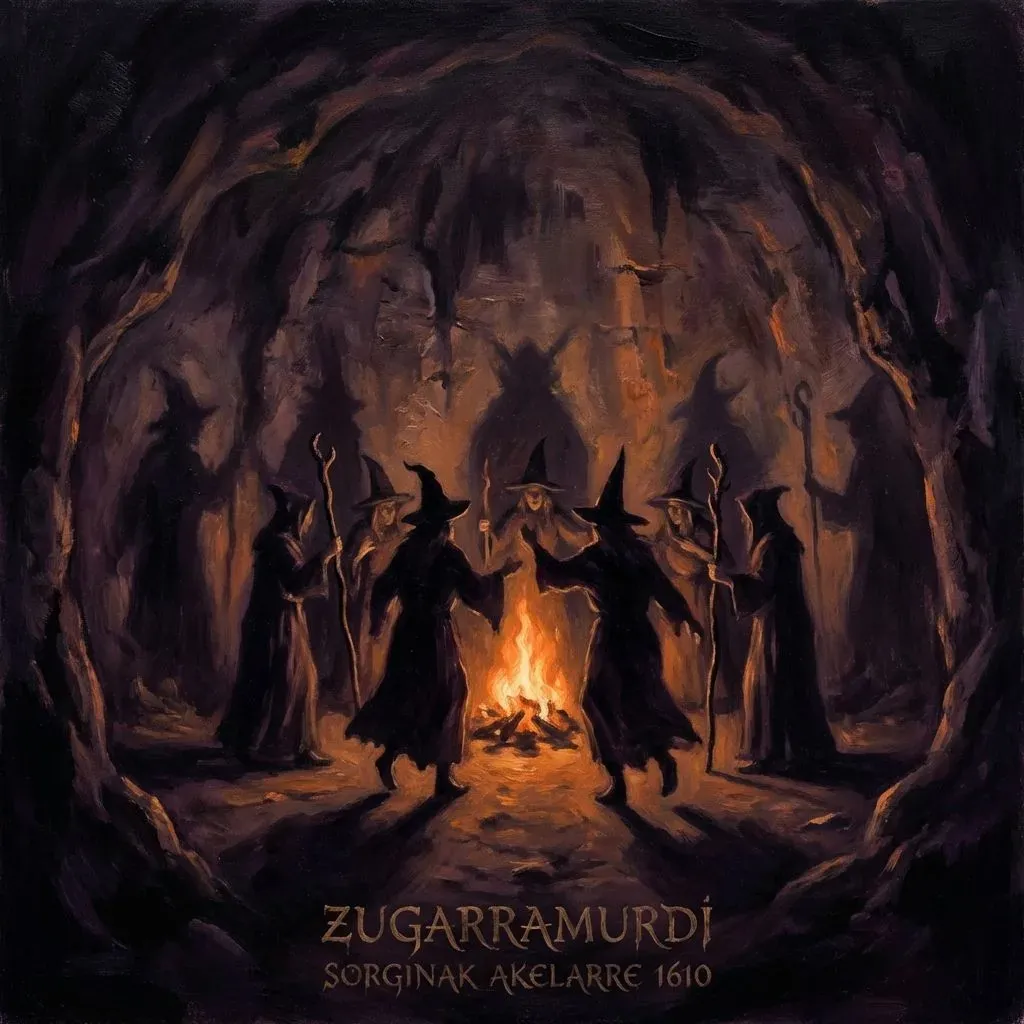
The famous inquisitorial trial of 1610 against the Navarrese witches who held akelarres in the sacred cave.
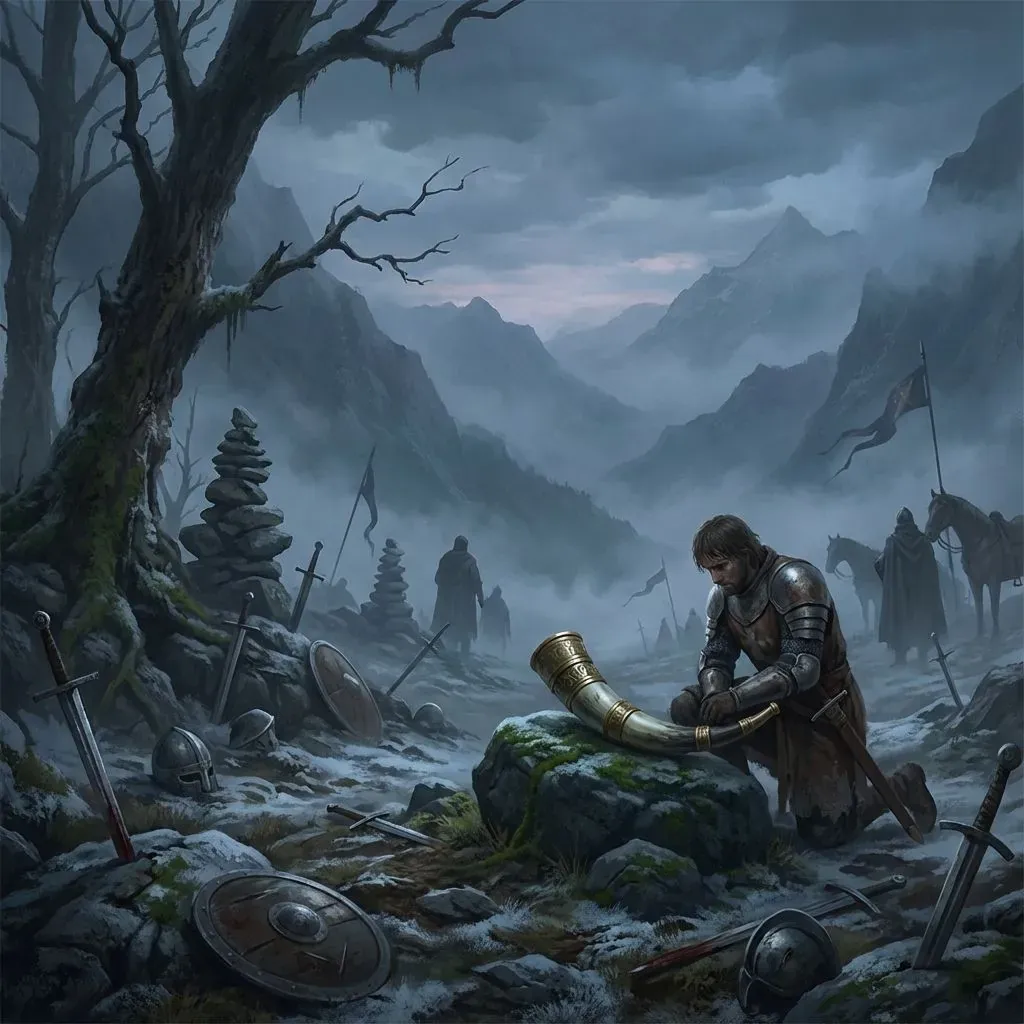
The Basque ambush against Charlemagne's army in the Pyrenean pass where the legendary Roland fell.
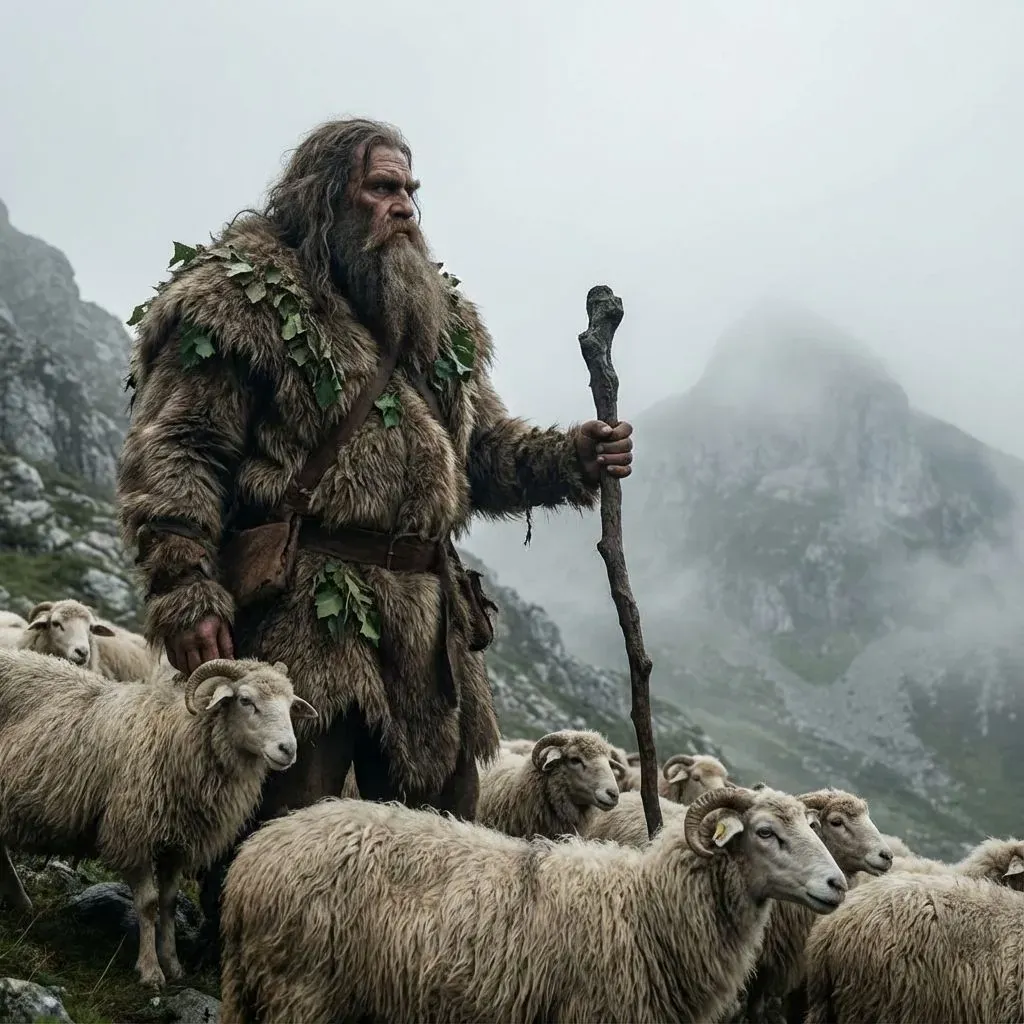
The shaggy giant who lives in the forests, protector of flocks and guardian of the secrets of agriculture and the forge.

Seductive nymphs who dwell in rivers and springs, recognisable by bird feet or fish tails, combing their hair with golden combs.
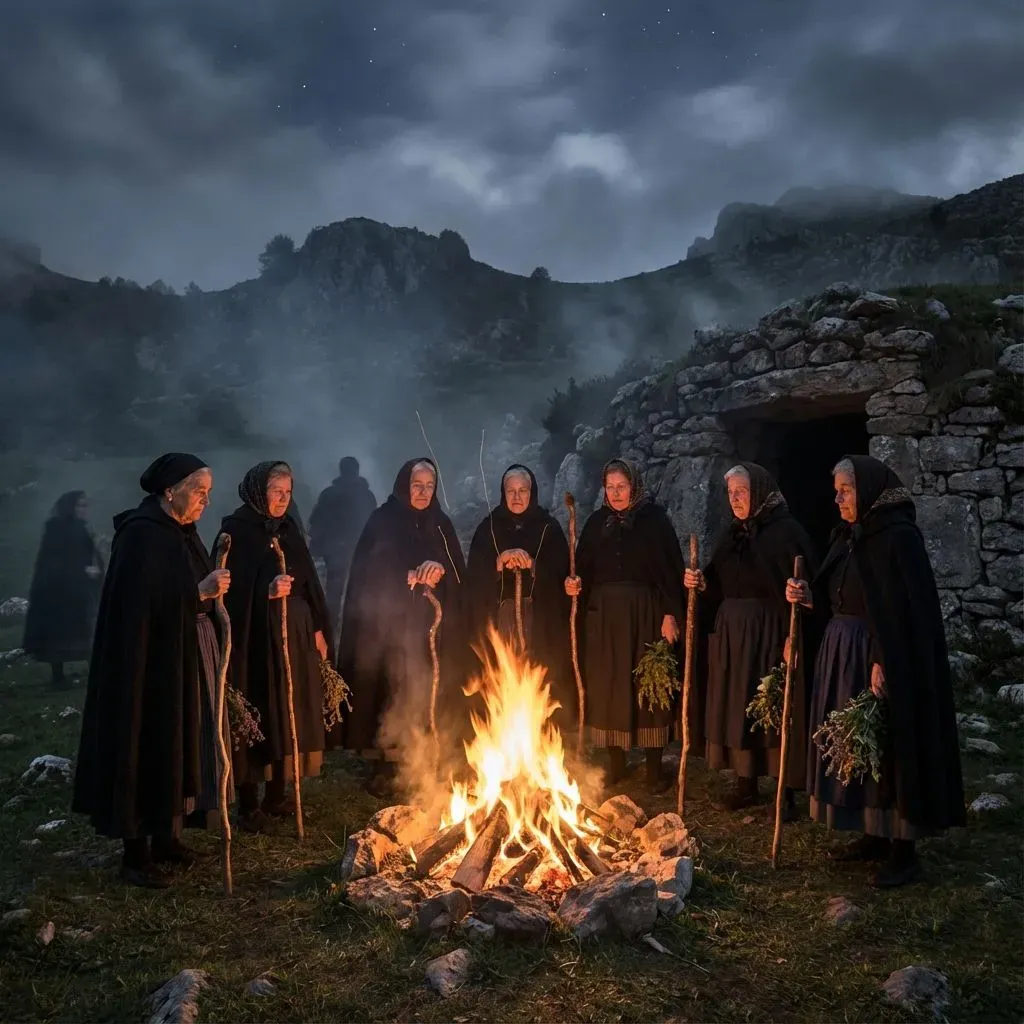
The Basque witches and wise women, priestesses of Mari who mastered potions, curses and the art of flying through the night sky.
Sare offers an immersion in the French Basque Country’s architecture and culture. White farmhouses with dark red or green timber framing cluster around the church and pelota court in an arrangement shaped by centuries of everyday use rather than deliberate picturesqueness. It is among the region’s most photographed architectural ensembles.
Sare was home to seventeenth-century Basque writer Pierre Axular. His Gero, published in 1643, was the period’s most important Basque prose work and remains a reference in classical Basque literature. He wrote it while serving as the village priest; his church remains central to local life nearly four centuries later.
Sare is home to its famous caves and the starting point of Larrun’s rack railway to the border summit. Combined with the village’s own charm, these attractions make it a varied destination for nature, culture and Basque gastronomy in Labourd.
Sare’s gastronomy, especially its famous gâteau basque filled with cream or cherries in the Labourd tradition, forms part of the village experience. Artisan pastry shops preserve the recipe with a fidelity that local people guard as carefully as their architecture.