Teodosius of Goñi
The Navarrese knight who, deceived by the devil, committed parricide and wandered in chains until Saint Michael freed him at Aralar.
— Gipuzkoa / Araba —
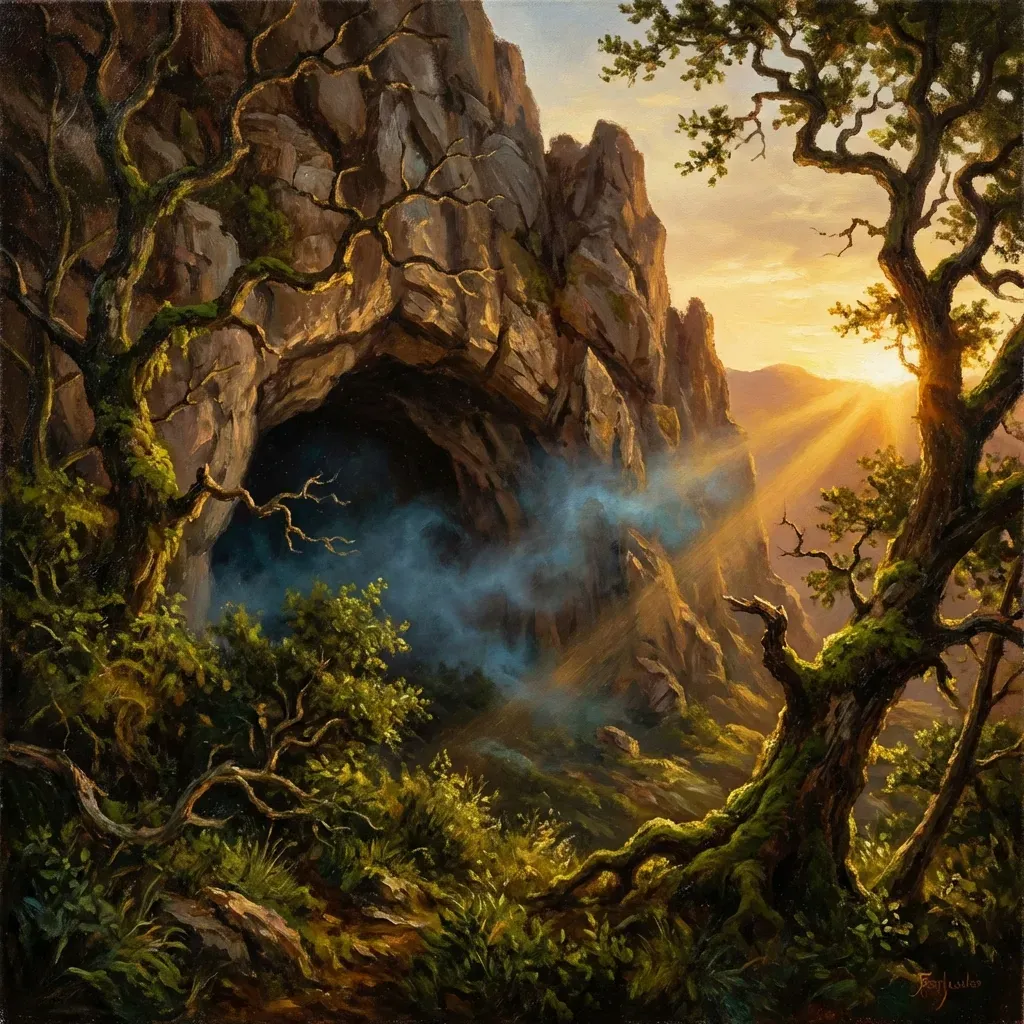
The San Adrian Tunnel is an impressive natural passage through the Aizkorri range, about one thousand metres above sea level, linking Gipuzkoa and Araba. This cave-tunnel, more than seventy metres long, was for centuries one of the great strategic and symbolic gateways across the Basque mountains.
Inside the cave stand the remains of a medieval hermitage dedicated to Saint Adrian, which once served travellers and pilgrims crossing the pass. The cobbled road that still runs through the tunnel preserves the memory of the old route between Castile and the Cantabrian coast.
The place is laden with history and legend. Tradition says Charlemagne himself passed through here on his expedition against Muslim territories, while bandits are said to have waited for travellers in the shadows, turning the tunnel into a threshold of both danger and wonder.
Today, the San Adrian Tunnel is a favourite destination for walkers seeking to combine nature and history. The path that leads to it crosses dramatic beech woods and rocky slopes, and stepping inside the tunnel feels like passing through a true gateway between centuries, kingdoms and landscapes.
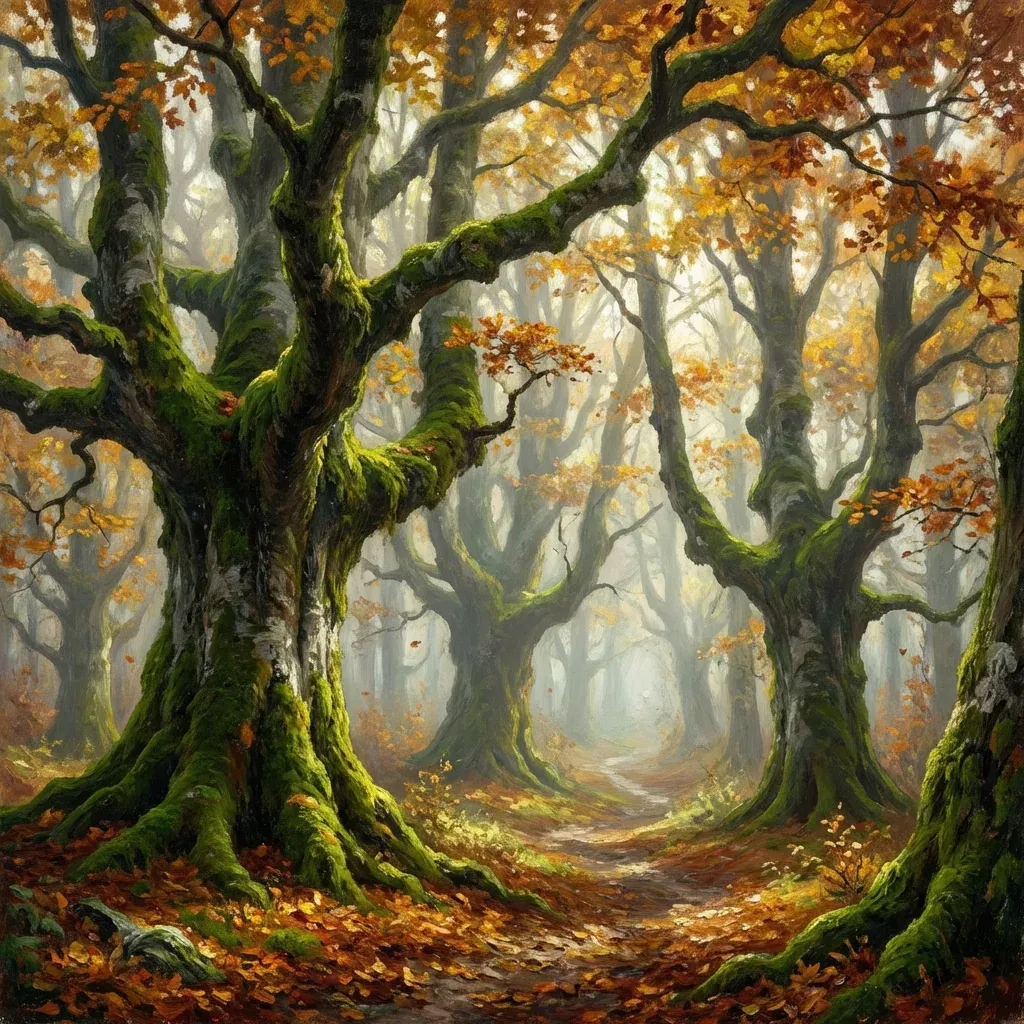
The Navarrese knight who, deceived by the devil, committed parricide and wandered in chains until Saint Michael freed him at Aralar.
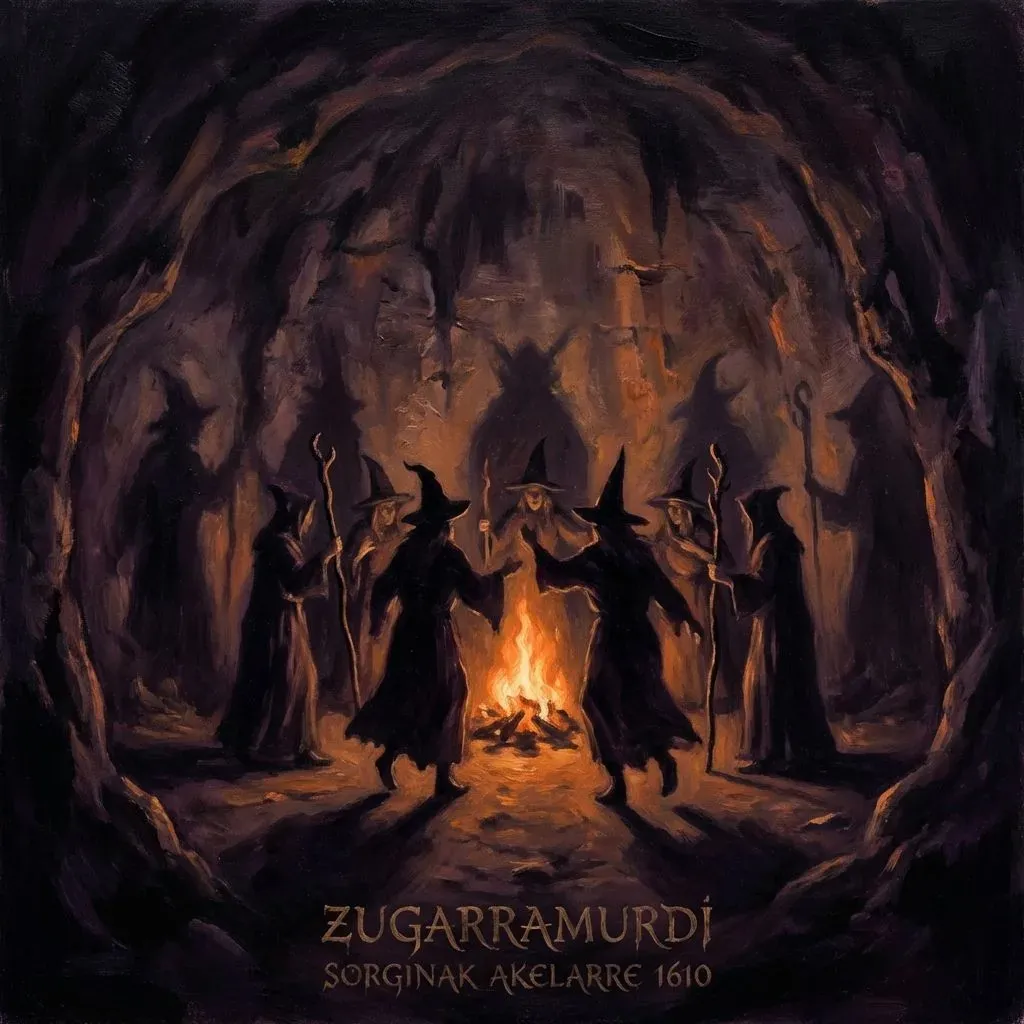
The famous inquisitorial trial of 1610 against the Navarrese witches who held akelarres in the sacred cave.
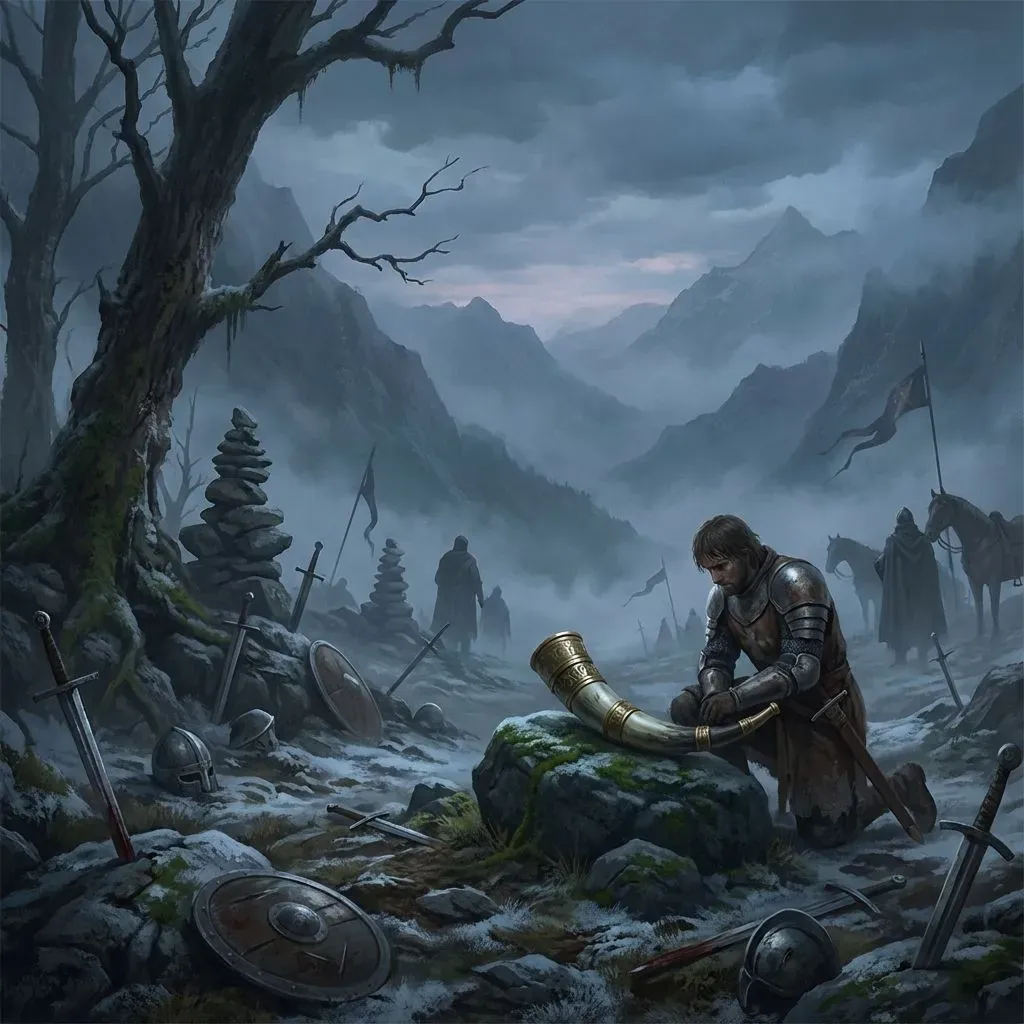
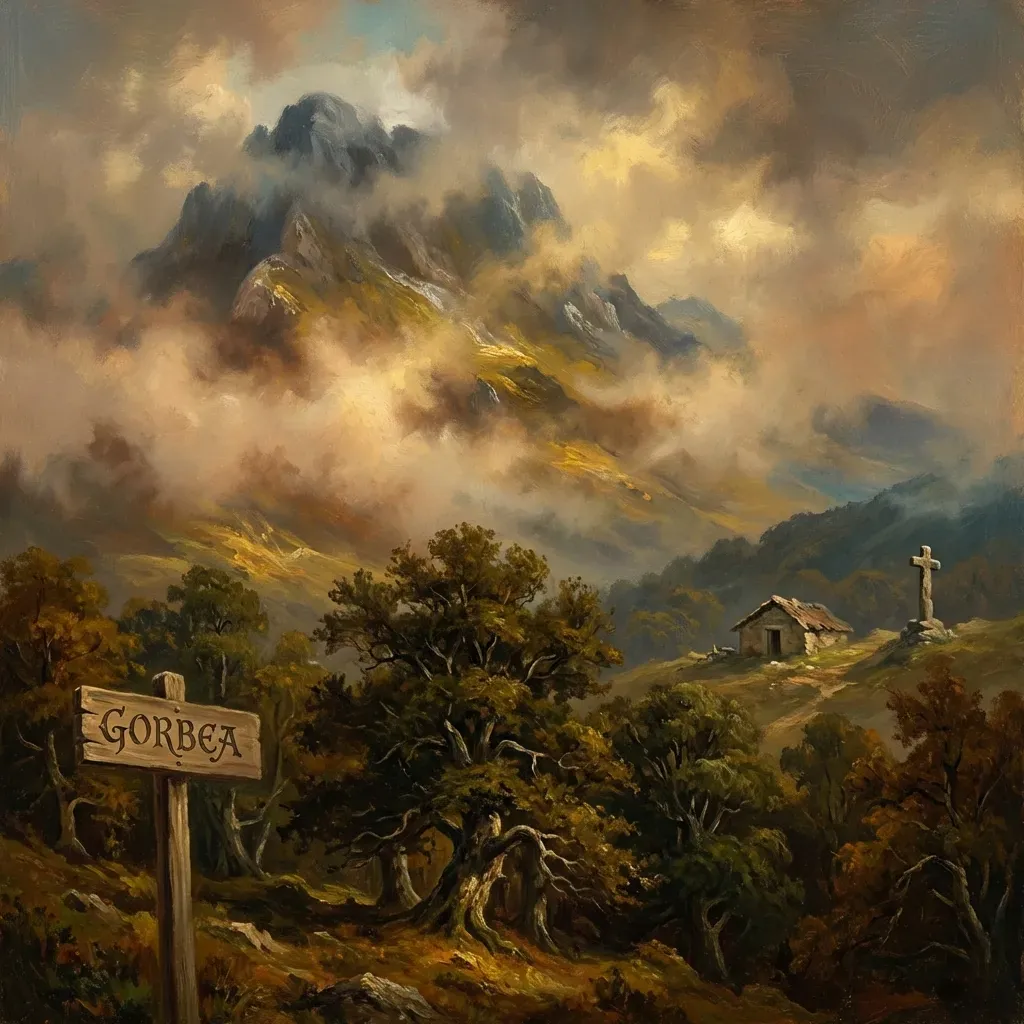
The Basque ambush against Charlemagne's army in the Pyrenean pass where the legendary Roland fell.

The shaggy giant who lives in the forests, protector of flocks and guardian of the secrets of agriculture and the forge.

Seductive nymphs who dwell in rivers and springs, recognisable by bird feet or fish tails, combing their hair with golden combs.
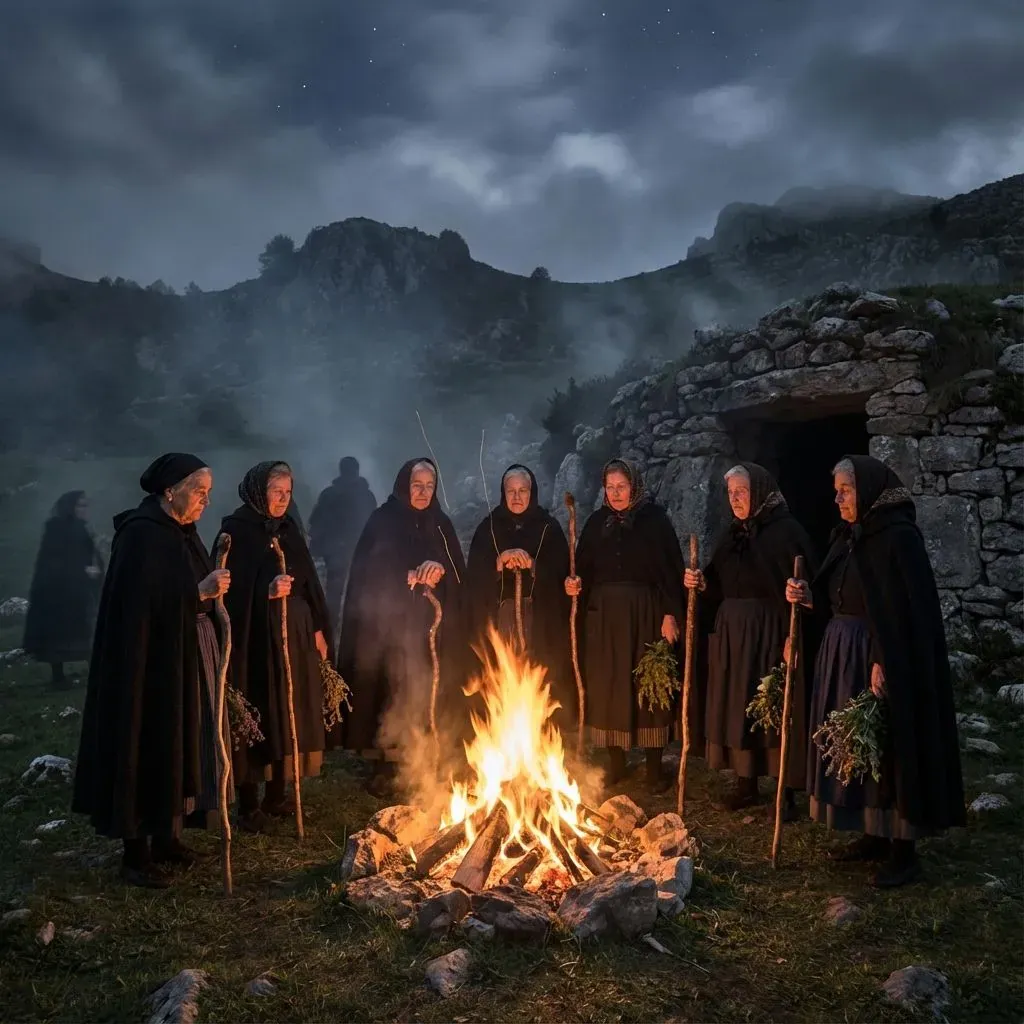
The Basque witches and wise women, priestesses of Mari who mastered potions, curses and the art of flying through the night sky.
San Adrián tunnel is a natural cave crossing Aizkorri from south to north, creating a passage between the Álava and Gipuzkoa plains. For centuries it was a busy point on the Basque Way of St James. Its hermitage, dedicated to the martyr Adrian, served pilgrims as a hospital and refuge while crossing the range.
The cave impresses even prepared visitors: its natural vault rises over fifteen metres, while its width allowed medieval muleteers and loaded animals to pass. Paving laid to make the muddy passage safer in rain records the route’s economic and religious importance during the Middle Ages.
Crossing San Adrián tunnel means passing between two climatic worlds. To the south lie holm oaks and downy oaks typical of the plateau and Álava plain; to the north, Gipuzkoa’s dense, damp Atlantic beech forest filters the light. The change within barely a hundred metres vividly reveals Aizkorri’s Atlantic–Mediterranean divide.
San Adrián tunnel is reachable on foot from several points in Aizkorri and can form part of longer circular walks combining summits or nearby dolmens. Few Basque pilgrimage sites evoke the medieval traveller’s experience so directly.